

Vintage Silver Stand
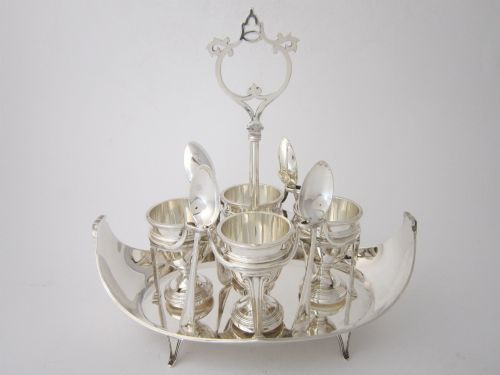
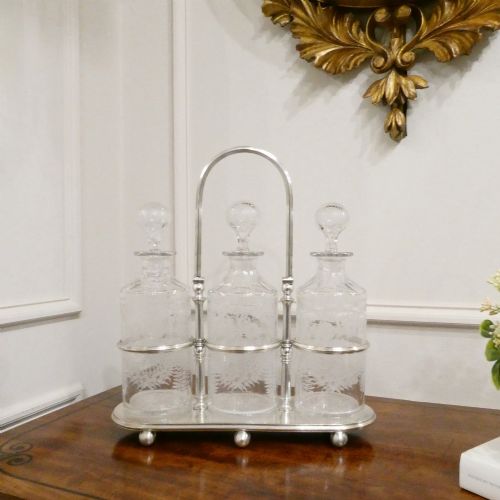
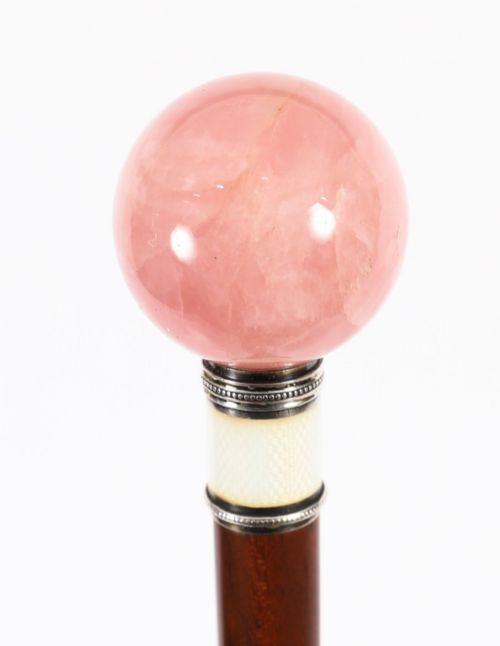
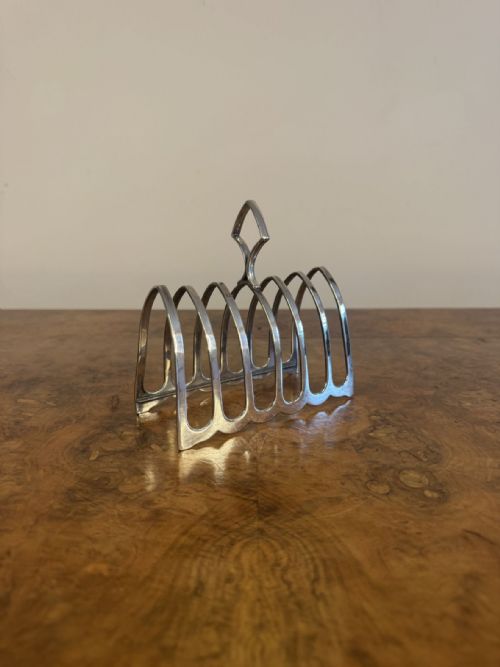
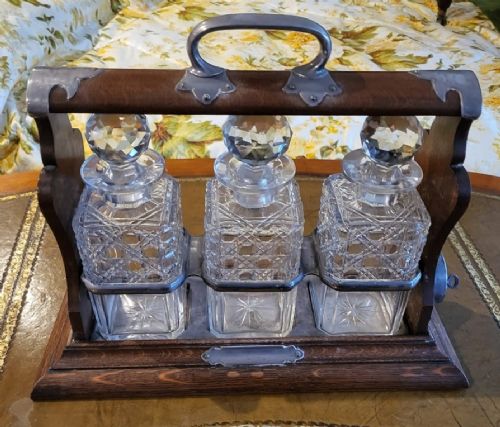
A vintage silver stand brings functional elegance to the table, holding everything from decanters and menu cards to candles and serving dishes.
Vintage Silver Stand
When searching for a vintage silver stand, buyers encounter a diverse selection of dining and desk accessories spanning the Victorian, Edwardian, and Art Deco periods.
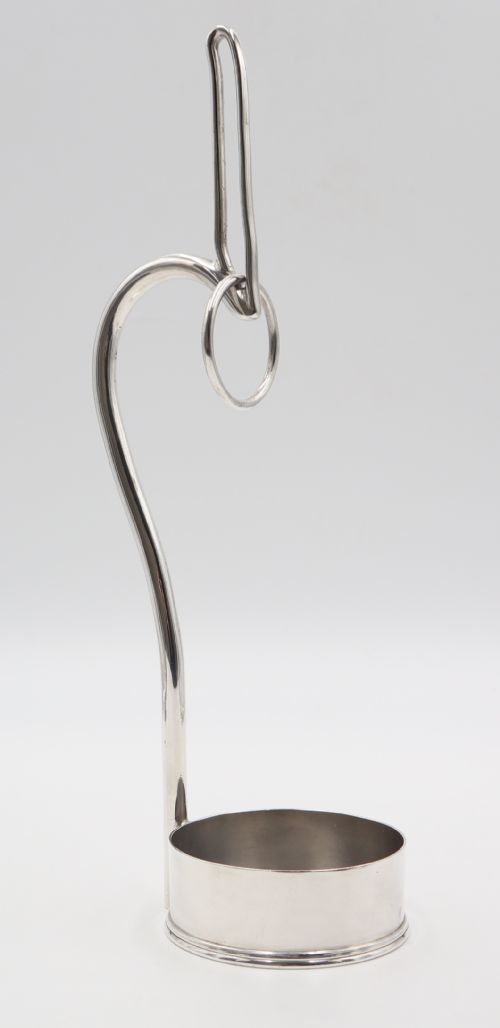
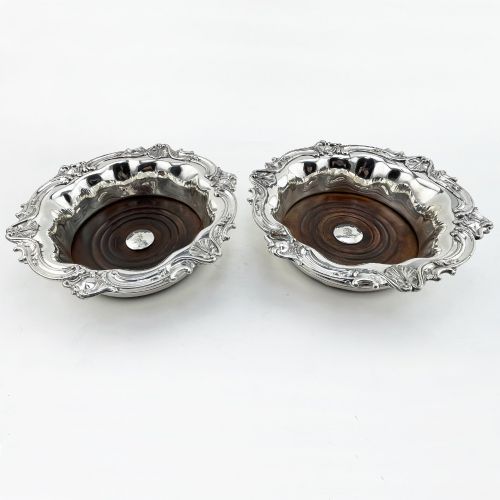
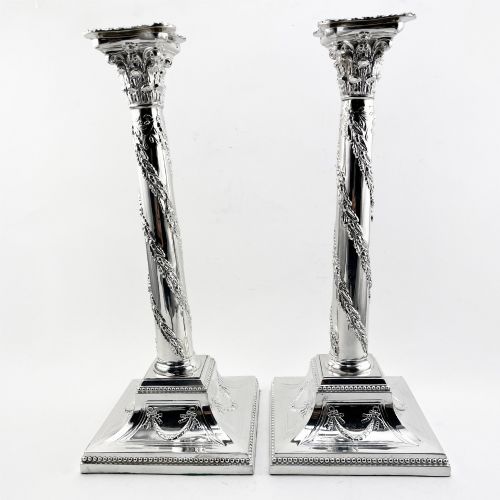
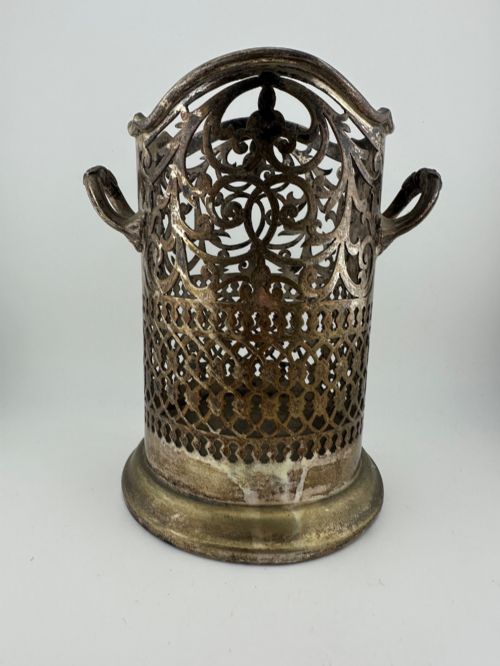
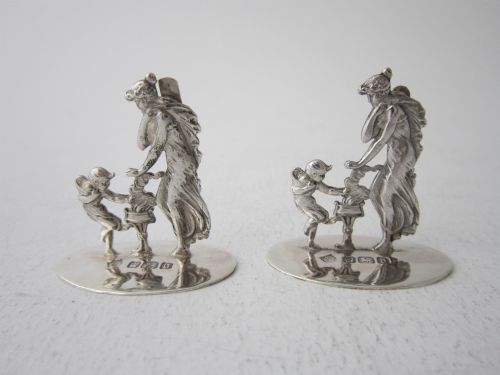
The most common forms on this page include candlesticks, menu holders, place card holders, cruet sets, wine coasters, floor lamps, and serveware.
Materials range from solid sterling silver to silver plate, often combined with wood, cut glass, velvet, brass, and pewter.
Origins stretch across English traditional workshops and continental European makers, reflecting distinct stylistic shifts from Neoclassical and Art Nouveau to geometric Art Deco.
Materials and Technique
Silversmiths utilised sterling silver or layered silver plate over base metals, shaping the metal through spinning, casting, and hand-hammering.
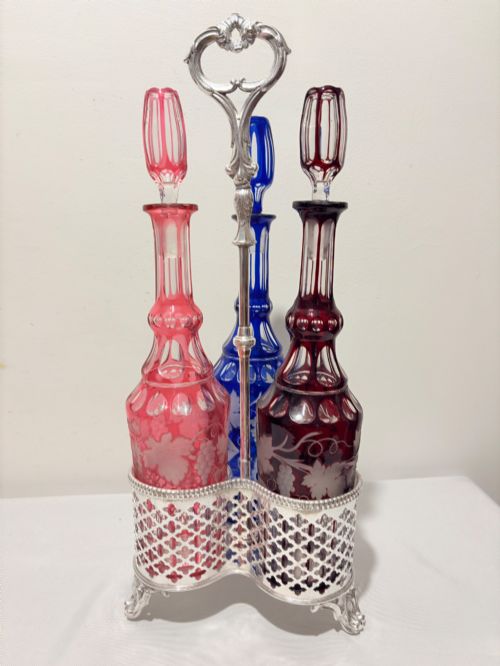
Many designs incorporate contrasting elements such as cut glass decanters, wooden mahogany bases, or velvet linings to support delicate items.
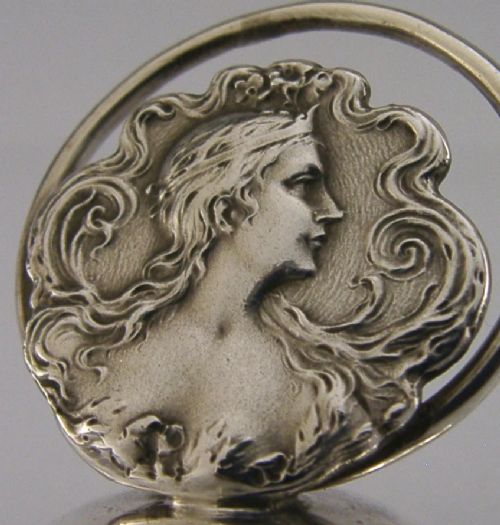
Decorative details rely on repoussé work, chasing, and applied cast motifs like fruit, foliage, and animals.
Vintage Silver Stand Retail Price Guide 2026
Typical asking prices for vintage silver stand among the pieces listed under this phrase on Sellingantiques today, from the lower quarter to the upper quarter. They describe what is for sale here now, not the wider market.
Listings feature items from the nineteenth century through the 1960s, encompassing Edwardian, Victorian, and Art Deco styles.
Craftsmanship and Weight
Quality rests in the weight of the metal and the crispness of the chased or cast ornament, where sharper details indicate superior tooling.
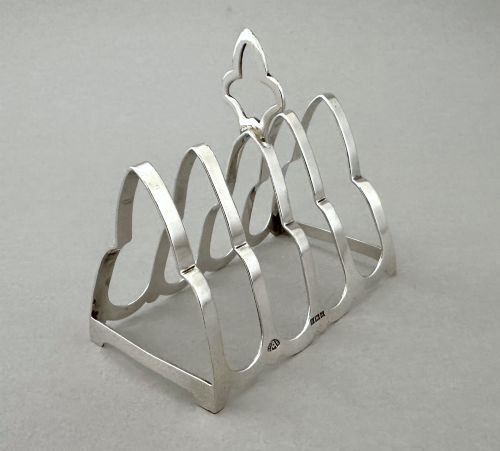
The integrity of the construction, from secure joints on toast racks and stands to uncompromised silver plating over base metal, separates finer items from standard production.
The inclusion of hallmarks or maker stamps provides clear evidence of origin and standard.
Hammond, Turner and Sons·Sampson Mordan·WMF·Mappin and Webb·Levi and Salaman·Sudre·William Hutton·A Wilcox·Christofle
The Vintage Silver Stand Glossary
- Sterling silver
- A silver alloy containing 925 parts pure silver per thousand. This standard is frequently denoted by specific assay office hallmarks.
- Silver plate
- A layer of silver fused or electroplated onto a base metal such as copper or nickel. This technique offered an accessible alternative to solid silver.
- Cruet set
- A matched group of bottles or containers holding condiments, typically mounted on a dedicated stand. These sets sit centrally on dining tables.
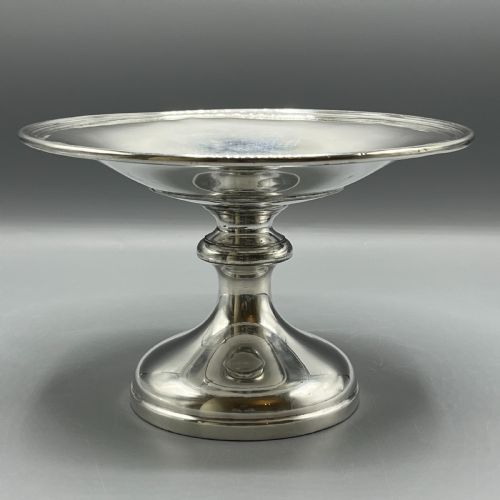
- Tazza
- An elevated shallow bowl or dish supported by a central foot or pedestal. These pieces function as fruit compost dishes or display items.
- Repoussé
- A metalworking technique where the artisan hammers the design from the reverse side to create a raised relief on the front.
Vintage Silver Stand: Frequently Asked Questions
How do I clean a silver stand?
Use a soft cloth and a specialised silver polish designed to remove tarnish without scratching the metal surface. Avoid harsh chemical dips that strip away desirable patination.
For pieces with glass, wood, or velvet components, apply cleaners carefully to prevent damaging the adjacent materials.
Are these stands suitable for daily use?
Solid sterling silver and sturdy silver-plated stands function well for regular dining and entertaining. Take care with delicate mechanisms or older plated surfaces.
Placing felt pads underneath helps protect wooden table surfaces from heavier metal bases.
How do I identify the period of a silver stand?
Examine the hallmarks stamped on sterling silver pieces, which indicate the assay office, date letter, and maker. Stylistic cues such as curving Art Nouveau lines or geometric Art Deco forms also point to specific eras.
Construction methods and accompanying materials like cut glass or mahogany provide further chronological context.