



Vintage Silver Milk Jug
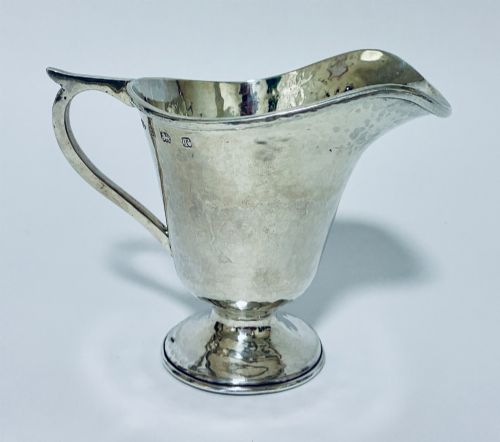
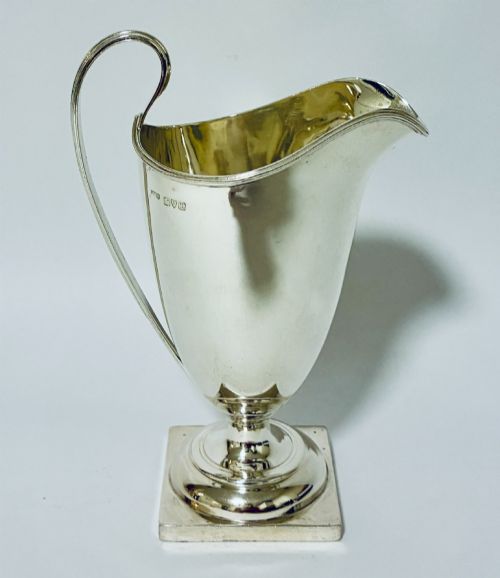
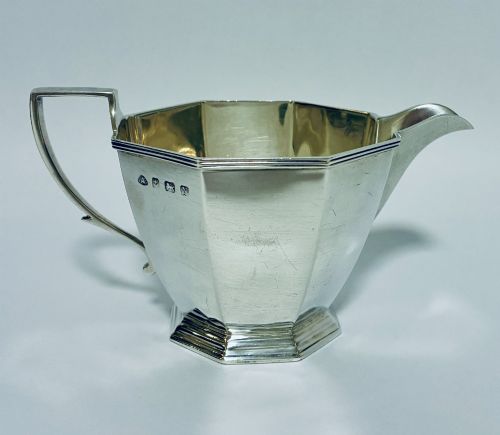
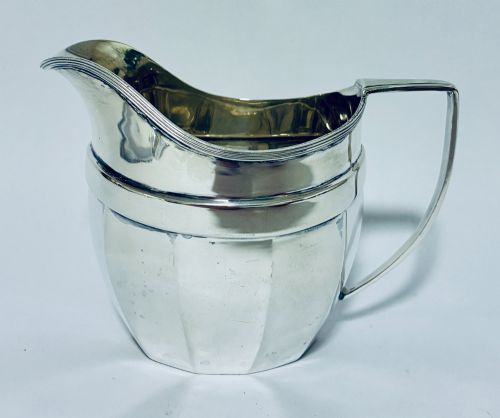
These vintage silver milk jug examples bring practical elegance to the table, offering a tangible connection to historical dining traditions.
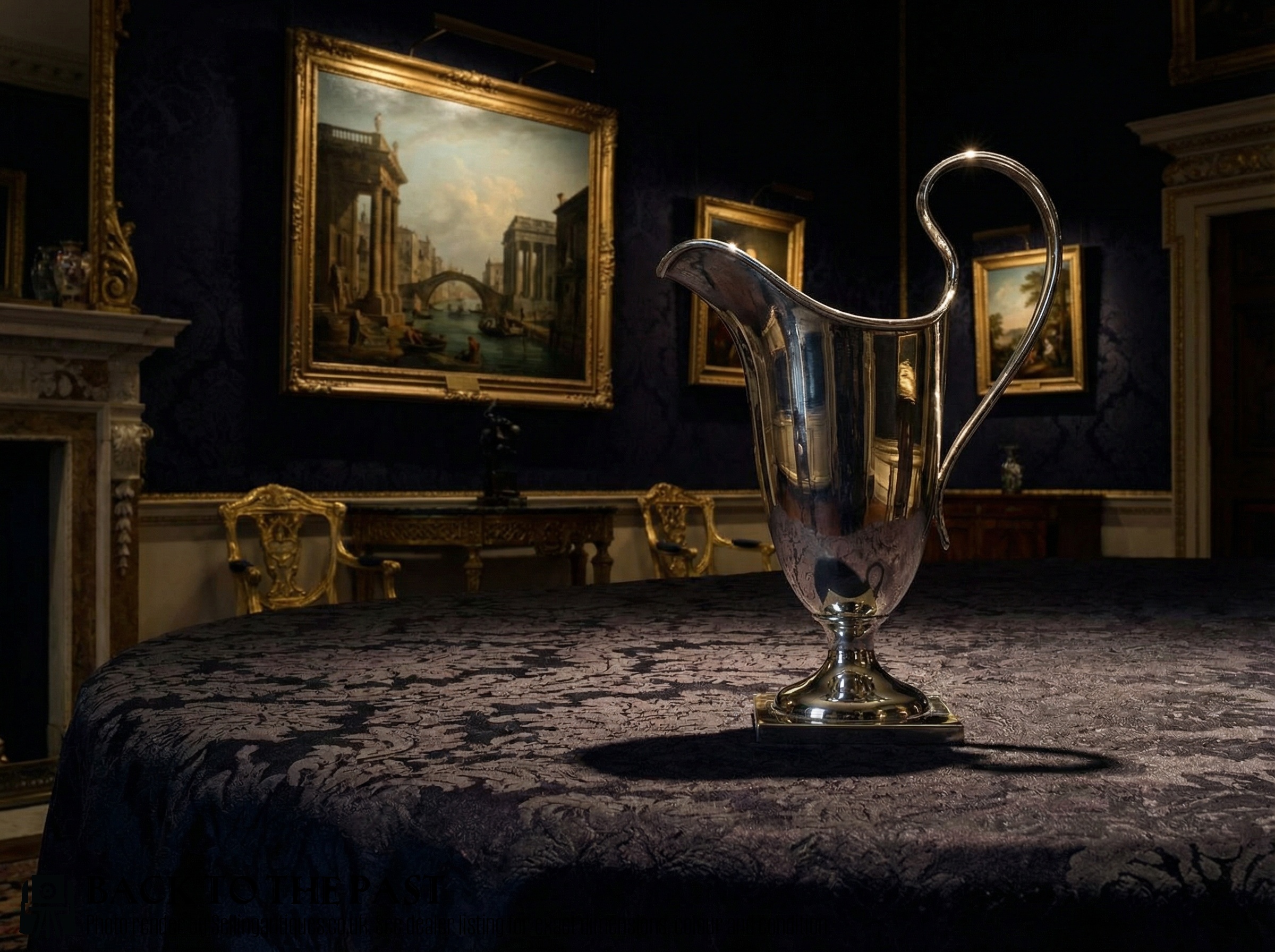
Vintage Silver Milk Jug
A vintage silver milk jug provides a functional centrepiece for tea and coffee service, appearing across various historical periods from the Georgian era through to the mid-twentieth century. These vessels range from simple domestic creamers to elaborate figural designs like cow creamers, alongside matching components within larger tea and coffee sets.
The pieces on this page span styles such as Victorian, Edwardian, George V, and Arts and Crafts, reflecting the shifting aesthetic preferences of British, American, and Italian silversmiths. Buyers encounter both sterling silver and silver-plated options, often featuring side-handled configurations or woven handle details.
Forms vary from traditional bulbous cream jugs to taller water jugs and pitchers, showing the adaptability of milk containers within historical tableware. Whether seeking a standalone Georgian Irish piece or an Edwardian silver-plated set, collectors find diverse expressions of this domestic essential.
Distinguishing quality in silver creamers
The distinction between standard domestic items and superior examples lies in the crispness of the hand-engraving, the balance of the handle, and the weight of the metal utilised. Maker marks from established firms provide a reliable indicator of workshop standards.
Heavier gauge silver and well-integrated handles denote careful manufacturing, whereas plated items show quality through the retention of the silver layer over the underlying copper or nickel silver base.
George Unite·Robert Pringle And Sons·Harrison Brothers And Howson
The Vintage Silver Milk Jug Glossary
- Sterling silver
- An alloy consisting of 92.5 percent silver and 7.5 percent other metals, typically copper. This standard ensures durability while maintaining the bright lustre prized in tableware.
- Silver plate
- A base metal such as copper or nickel silver coated with a thin layer of pure silver. This method offered a durable, accessible alternative to solid silver.
- Electroplated Nickel Silver
- A specific type of base metal composition coated with silver using an electrical current. It became a common manufacturing method during the nineteenth century.
- Cow creamer
- A figural milk jug shaped in the form of a cow, often with a removable lid on the back. These whimsical pieces originated in eighteenth-century workshops and reappeared later.
- Georgian
- Pertaining to the period of the British monarchy spanning from 1714 to 1830. Silverware from this era is celebrated for its classical proportions and restrained ornamentation.
Vintage Silver Milk Jug: Frequently Asked Questions
How do I clean a silver milk jug?
Use a specialised silver polish and a soft cloth to remove tarnishing without abrading the surface details or hand-engraved designs.
Avoid harsh chemical dips that can strip away the underlying finish, particularly on silver-plated items.
Can I use these jugs for daily serving?
Solid sterling silver and sturdy silver-plated jugs remain entirely functional for serving milk or cream at the modern table.
Hand washing is essential to preserve the finish and any wooden or ebony handle components.
What is the difference between sterling and plate?
Sterling silver is a solid precious metal alloy throughout, whereas silver plate coats a base metal substrate like copper or nickel silver.
Hallmarks usually designate sterling pieces, while plated items carry manufacturer marks indicating their plated status.
How do I date an antique milk jug?
Examine the hallmarks stamped onto the metal, which typically include maker marks, town assay marks, and date letters.
Stylistic cues such as Neoclassical shapes or Arts and Crafts simplicity also help narrow down the decade of production.