


Vintage Silver Medallion
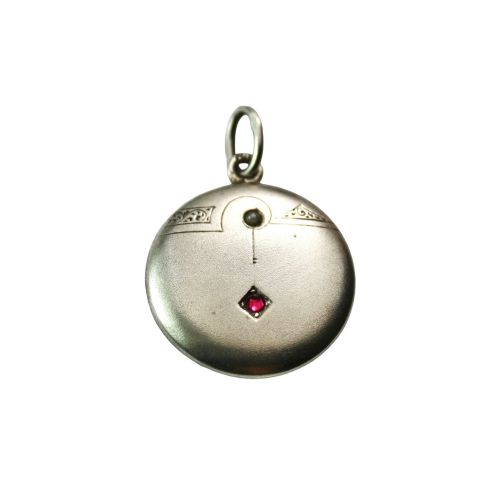
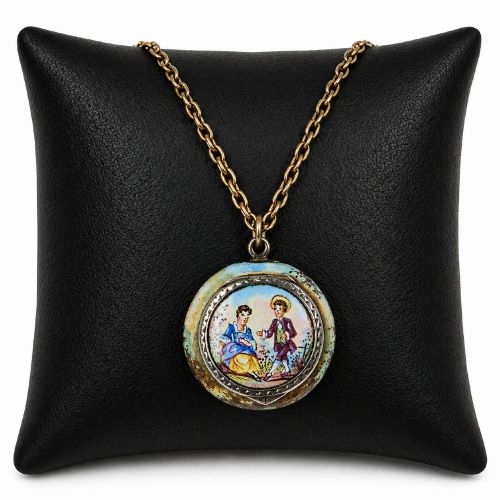
These vintage silver medallion pieces span decades of design, offering distinct enamel work and sterling silver craftsmanship for daily wear.
Vintage Silver Medallion
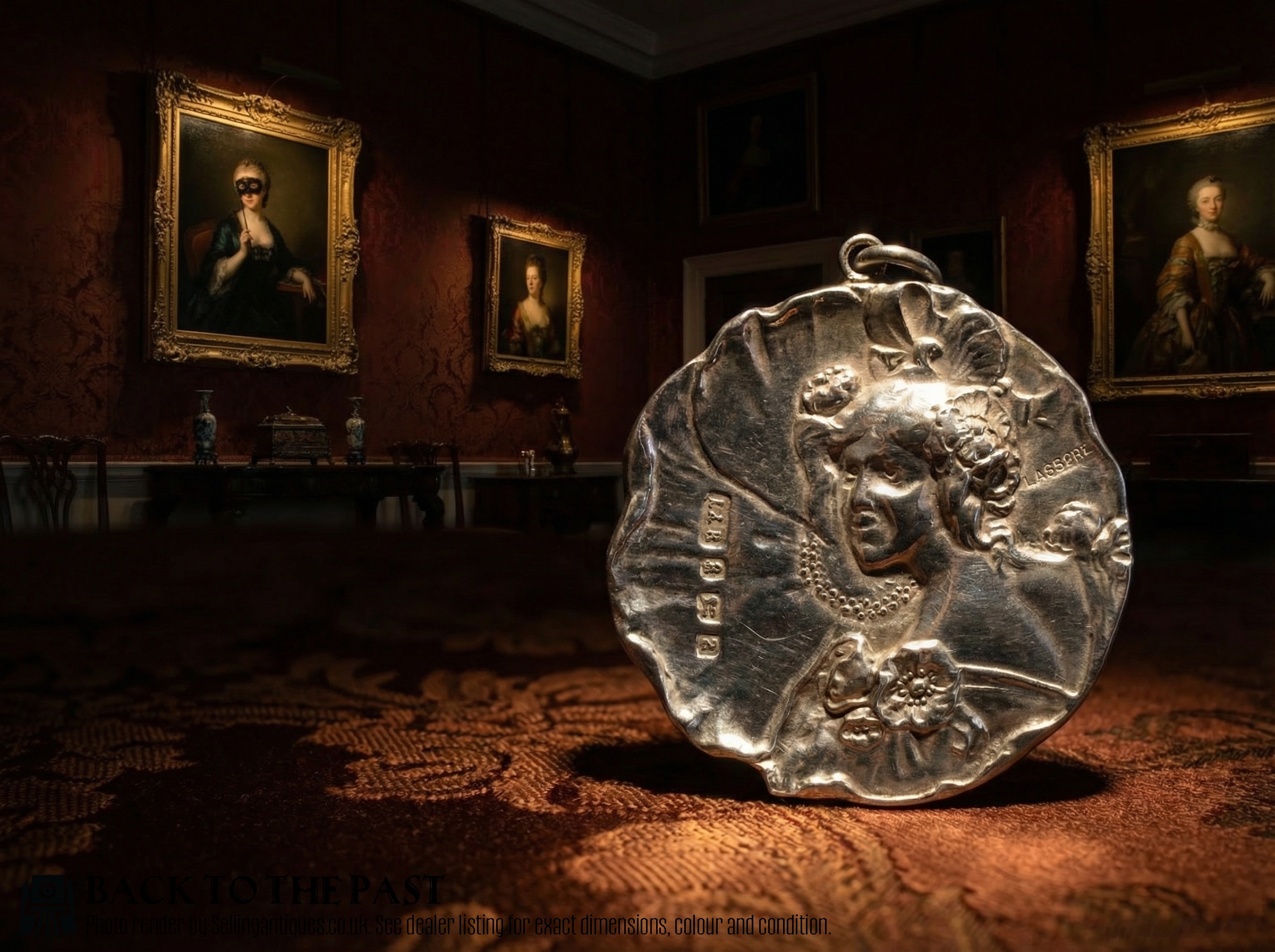
When you search for vintage silver medallion, you encounter a varied selection of items ranging from early nineteenth-century lockets to twentieth-century sporting medals. These pieces encompass pendants, pocket watch chains, brooches, and watch fobs created across multiple decades.
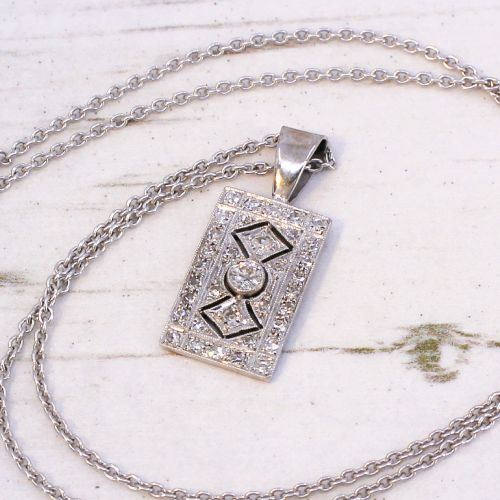
The objects frequently cross paths with related jewellery forms, including Art Deco diamonds, Edwardian turquoise matrix, and Arts and Crafts pearl pendants. Many items carry specific dates or commemorative inscriptions linked to sports and agricultural shows.
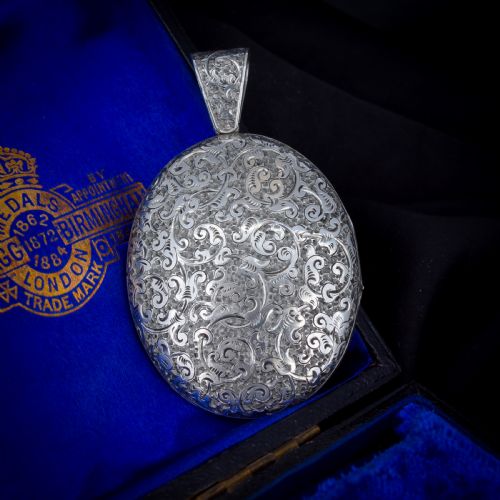
You are most likely to meet twentieth-century examples featuring enamel work or sporting motifs alongside Victorian sterling silver engraved photo lockets. The selection draws on Victorian, Edwardian, Art Nouveau, and Art Deco stylistic traditions.
How they were made
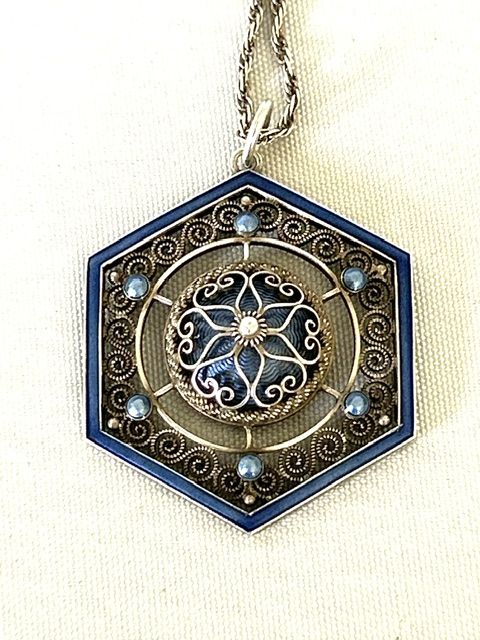
Makers utilised sterling silver and platinum as the primary metallic base for these pieces, often combining the metal with diamonds, pearls, opals, and paste stones. Enamel techniques such as guilloche and cloisonne frequently appear across the surface of pendants and medals.
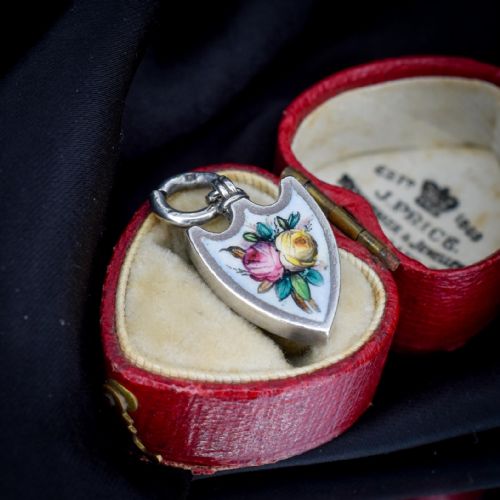
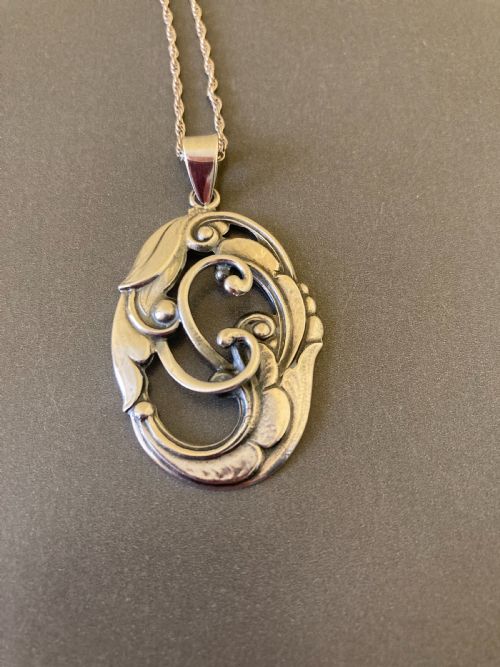
Craftsmen applied engraved details to sterling silver photo lockets and fashioned intricate floral shield charms using vitreous enamel. Construction methods reflect the prevailing aesthetic of each period, from Victorian hand-engraving to Scandinavian silversmithing.
The listings on this page span the Victorian, Edwardian, Art Nouveau, Arts and Crafts, and Art Deco periods.
What varies in quality
The standard of a piece rests on the precision of the enamel work and the integrity of the silver elements. Intricate guilloche patterns and well-preserved vitreous enamel distinguish finer examples from simpler engraved medals.
The integration of precious stones like diamonds, pearls, and opal doublets elevates the refinement of certain pendants. The depth of hand-engraving and the clarity of maker marks also divide standard production items from masterworks.
Marius Hammer·Charles Horner
The Vintage Silver Medallion Glossary
- Guilloche enamel
- A decorative technique where a precise mechanical pattern is engraved beneath a translucent layer of enamel. This method creates a shimmering background effect on pendants and watch fobs.
- Sterling silver
- An alloy consisting of silver and other metals, typically copper, standardising at a high purity level. This material forms the durable chassis for the majority of these lockets and medals.
- Watch fob
- A short strap or chain attached to a pocket watch, frequently terminating in a decorative medallion. These objects often commemorate sports victories or organisational events.
- Opal doublet
- A composite gemstone formed by adhering a thin slice of natural opal to a dark backing material. This construction enhances the play of colour while providing structural support.
- Cloisonne enamel
- A technique where vitreous enamel is applied within compartments created by soldering flat metal wires to a metal base. The resulting design displays distinct linear boundaries between colours.
Vintage Silver Medallion: Frequently Asked Questions
What is a silver medallion pendant?
A silver medallion pendant is a decorative metal piece worn around the neck, often featuring engraved text, enamel decoration, or commemorative sporting motifs.
These items originated as pocket watch fobs, prize medals, or dedicated pendants produced during the Victorian and Art Deco eras.
How do I date a silver medallion?
Dating relies on hallmarks stamped into the silver, stylistic indicators like Art Nouveau curves, and any engraved presentation dates on the reverse.
Many sports medals and commemorative pieces carry explicit year inscriptions that record their exact creation or presentation period.
Were these medals meant to be worn?
Many items functioned as pocket watch chain attachments or watch fobs before being converted into modern necklace pendants.
Victorian and Edwardian examples often served dual purposes as wearable portrait holders or commemorative presentation pieces.
How should I care for enamel and silver?
Silver requires gentle cleaning with a soft cloth to maintain its finish without wearing away fine engraved details or patination.
Enamel surfaces need protection from harsh chemicals and sharp impacts to prevent chipping of the vitreous glass layer.