





Vintage Silver Match Striker
A vintage silver match striker brings pocket practicality and table convenience together, offering tactile metal and glass forms for daily use.
Vintage Silver Match Striker
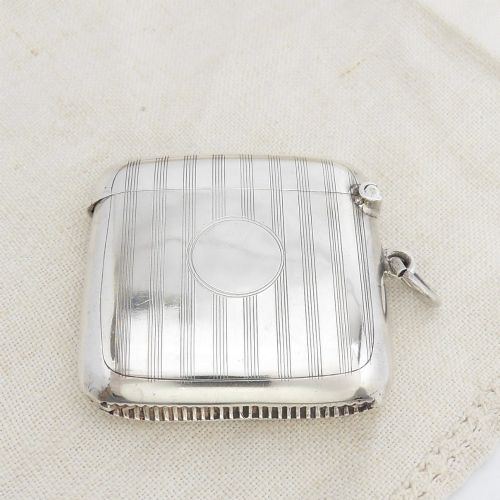
When you search for a vintage silver match striker, you encounter a selection of pocket vesta cases and table match holders spanning the Victorian, Edwardian, and George V periods. These small accessories served the vital daily purpose of carrying and striking matches before the widespread availability of safety matches and lighters.
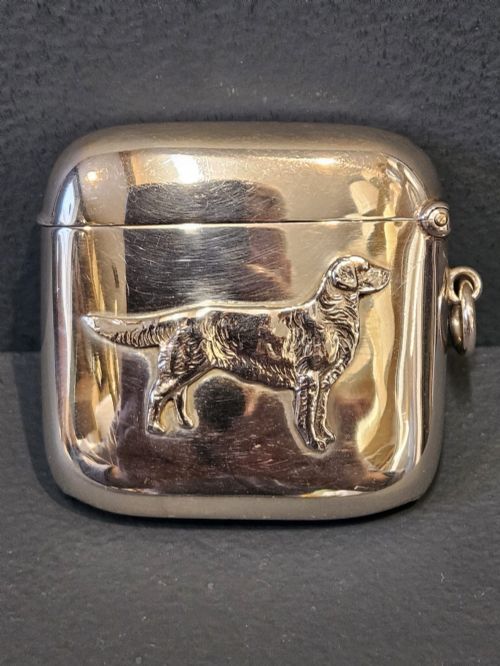
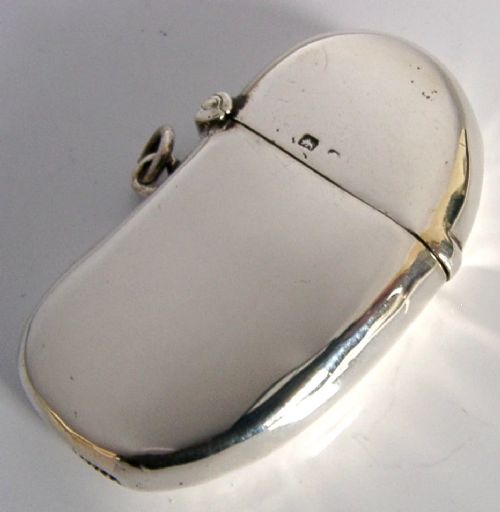
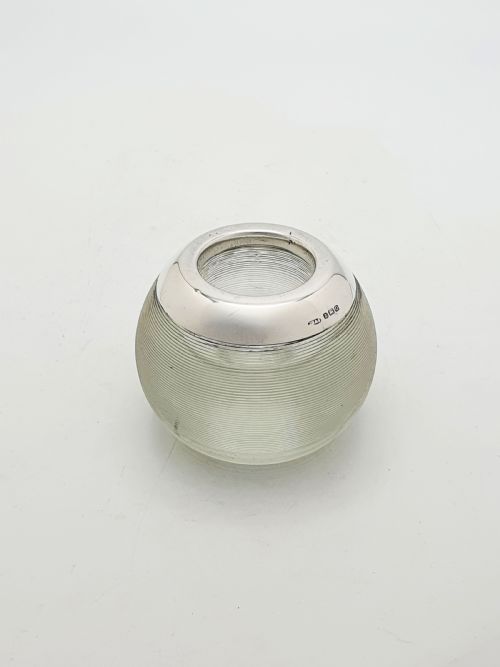
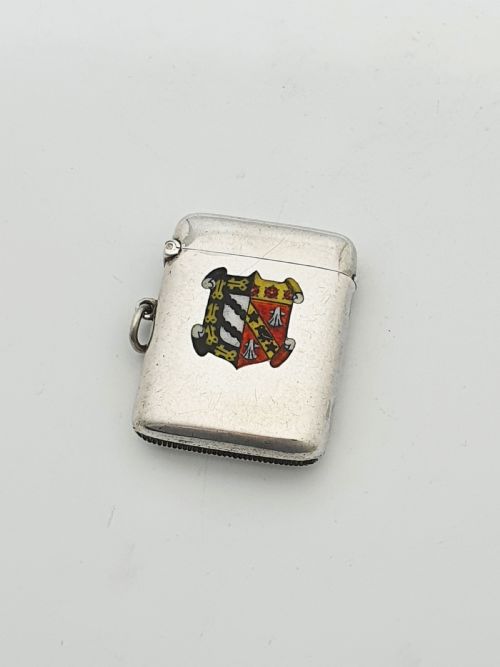
The pieces on this page lean heavily toward compact vesta cases made for pockets, alongside larger table models that combine silver mounts with textured glass bodies. Makers of the era shaped sterling silver into kidney bean forms, animal motifs, and presentation pieces intended to mark special occasions.
How they were made
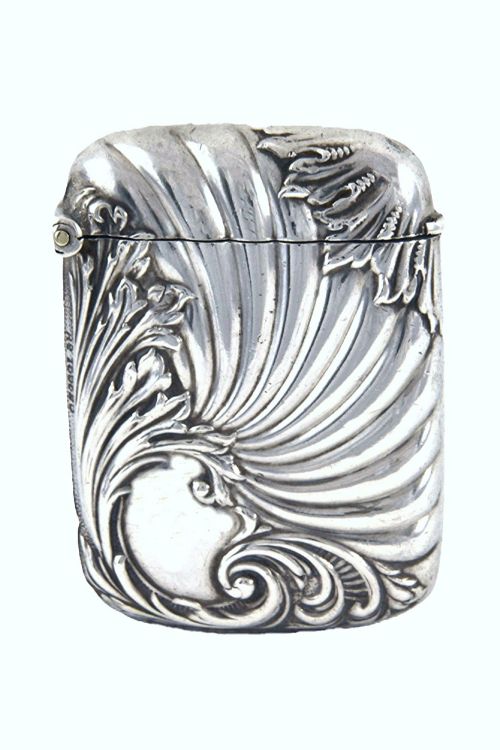
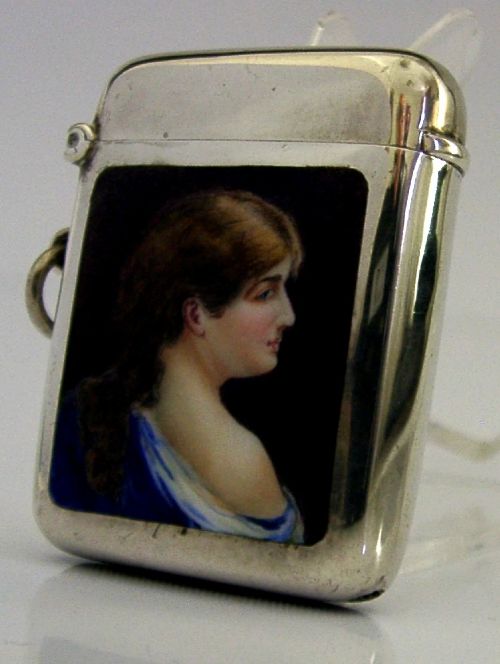
Silversmiths utilised sterling silver sheet and cast elements, applying techniques such as hand engraving, enamel painting, and gilding to decorate the exterior surfaces. Many pocket vestas incorporate hinged lids with internal spring mechanisms designed to keep matches dry and secure.
Table match strikers paired sterling silver collars with heavy glass bodies featuring threaded or textured strike areas on the base. Some examples integrated precious materials like onyx and lapis lazuli into the silver mounts for added weight and visual contrast.
Vintage Silver Match Striker Retail Price Guide 2026
Typical asking prices for vintage silver match striker among the pieces listed under this phrase on Sellingantiques today, from the lower quarter to the upper quarter. They describe what is for sale here now, not the wider market.
Listings span the Victorian, Edwardian, George V, and 1960 periods, utilising sterling silver, glass, enamel, onyx, and lapis lazuli.
What varies in quality
Quality in these items rests on the crispness of the hallmarks, the depth of the engraving, and the preservation of any applied vitreous enamel. Pieces by named makers or those featuring royal presentation inscriptions display superior hand finishing and heavier gauge silver.
The structural integrity of the spring-loaded lid mechanism and the clarity of the glass bodies on table models distinguish ordinary production items from finer presentation pieces.
Alfred Clark·George Betjemann
The Vintage Silver Match Striker Glossary
- Vesta case
- A small pocket container designed to hold matches and strike them on the abrasive base. These cases typically feature a hinged lid and a loop for attachment to a chatelaine or pocket chain.
- Hallmark
- An official stamp applied by an assay office indicating the purity of the silver, the town of origin, and the date letter for the year of manufacture.
- Vitreous enamel
- A material made by fusing powdered glass to a metallic substrate at high temperature. It provides durable colour and detailed decoration on pocket accessories.
- Sterling silver
- An alloy consisting of silver and other metals, usually copper, formulated to increase durability while maintaining a bright metallic appearance. British items commonly bear the lion passant mark to denote this standard.
- Table vesta
- A larger match holder designed for stationary placement on a desk, smoking table, or mantelpiece rather than pocket transport.
Vintage Silver Match Striker: Frequently Asked Questions
What is a vesta case?
A vesta case is a small pocket container designed to hold matches safely while providing an integrated striking surface.
Victorians and Edwardians carried them daily to light pipes, cigars, and candles before modern lighters existed.
How do I date a silver match striker?
You date a silver match striker by examining the hallmarks stamped into the metal.
These official marks include assay office symbols and date letters that pinpoint the exact year and location of manufacture.
Can I still use these match strikers?
Yes, many pocket vesta cases and table match strikers remain fully functional for everyday use.
Textured glass bases on table models still provide adequate friction for striking traditional matches.
What materials are used besides silver?
Makers often combined sterling silver with glass, vitreous enamel, and semi-precious stones.
Threaded glass bodies provide the striking surface on table models, while enamel adds decorative colour to pocket pieces.