




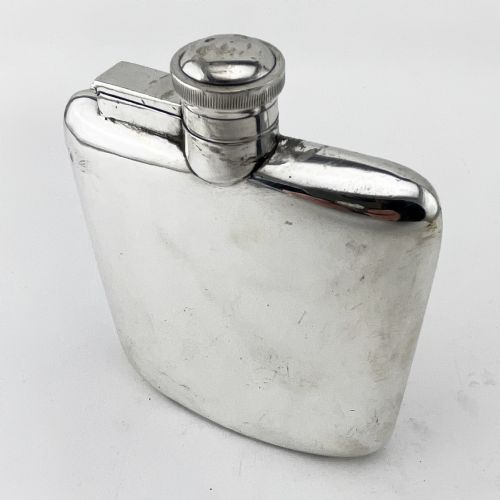


Vintage Silver Liquor Flask
These vintage silver liquor flask pieces combine pocket-sized convenience with precious metal craftsmanship for portable refreshment.
Vintage Silver Liquor Flask
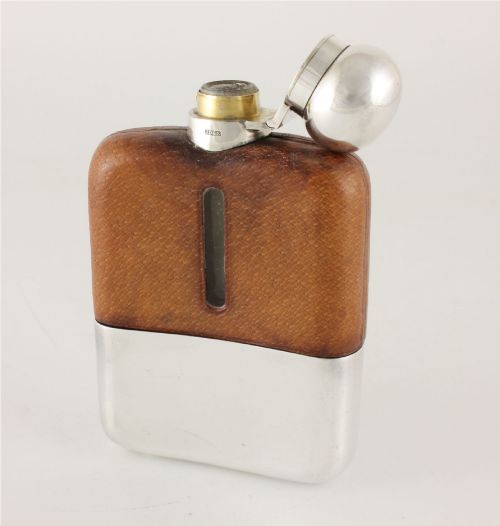
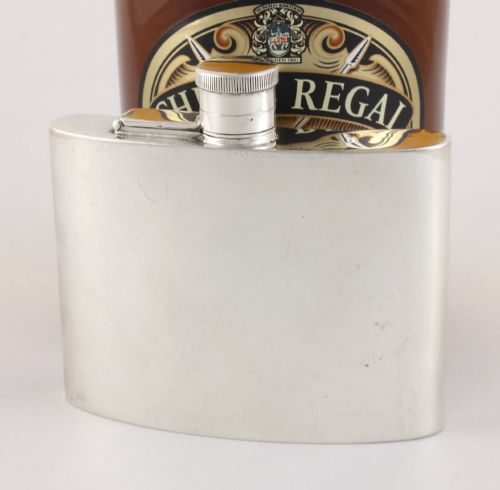
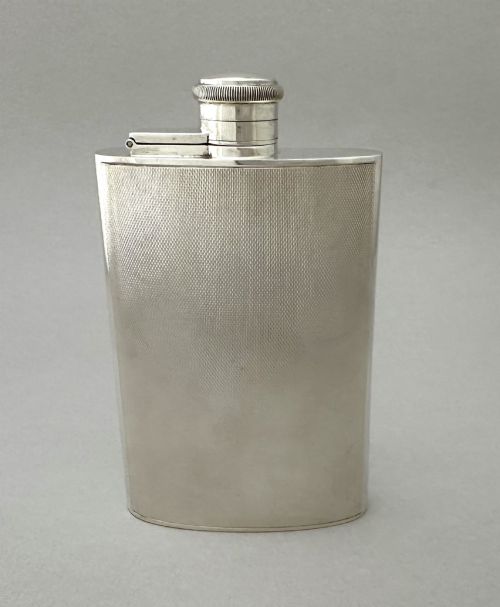
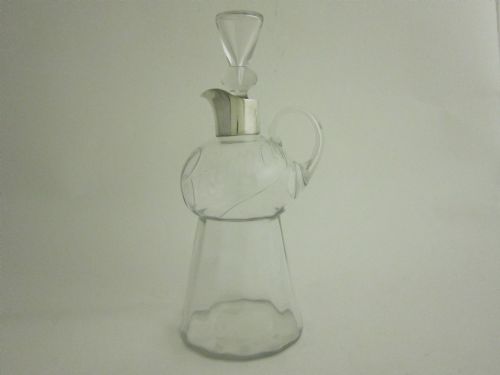
A vintage silver liquor flask serves as a portable container for spirits, appearing primarily in forms like hip flasks and decanters across this selection. These objects trace their origins through the Victorian, Edwardian, and Art Deco periods into the 1940s.
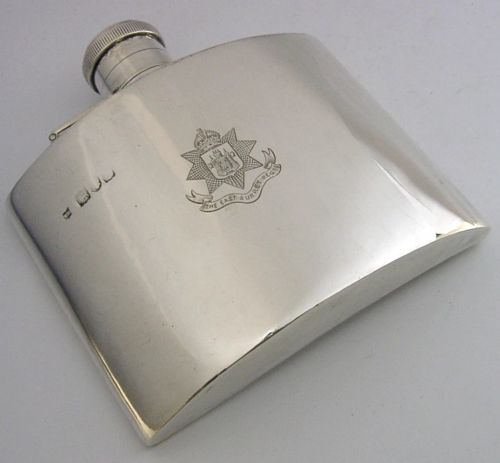
The inventory showcases items designed for personal use or barware, incorporating materials such as sterling silver, silver plate, glass, and leather. Pieces range from plain pocket designs to military-associated items and spirit flasks with removable cups.
Decanters and spirit bottles also represent the category alongside standard hip flasks. Dating spans from late nineteenth-century examples to mid-twentieth-century productions.
How they were made
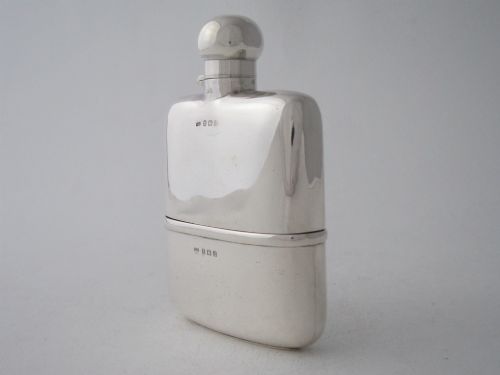
Silversmiths utilised solid sterling silver or silver plate over base metals, shaping the metal bodies to curve comfortably against the body or sit firmly as a decanter. Hallmarks stamped into the metal indicate the assay office, such as Sheffield or Chester, alongside date letters.
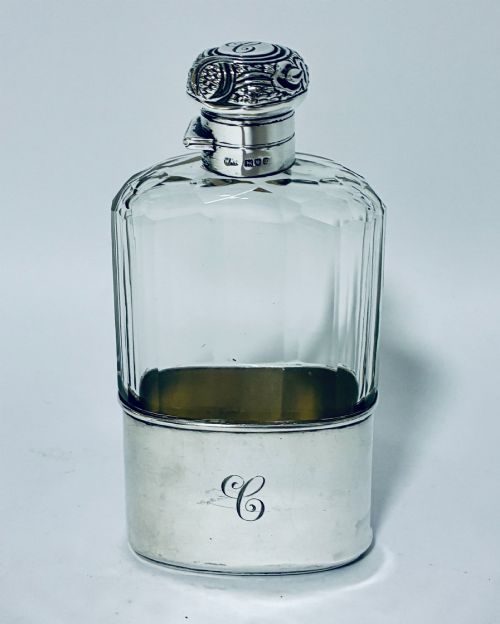
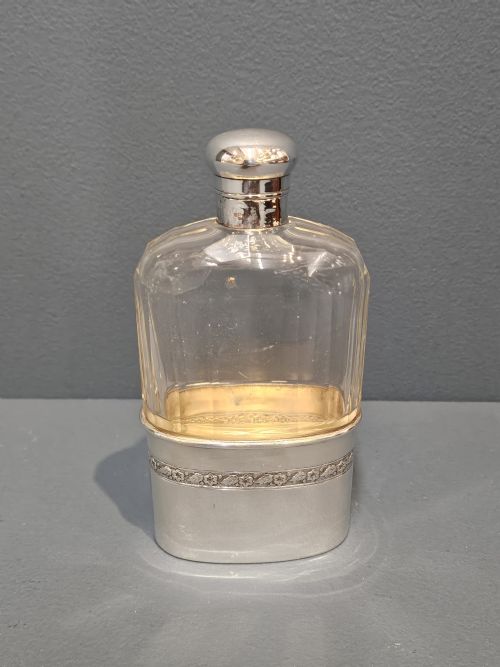
Many designs integrate clear glass, cut crystal, or Mary Gregory glass bodies protected by sterling silver mounts, flip tops, or removable cups. Leather cases, including crocodile style finishes, wrap around certain metal or glass bodies.
Gilding appears on select sterling silver pieces, providing a gold wash to the interior of cups or flasks.
Vintage Silver Liquor Flask Retail Price Guide 2026
Typical asking prices for vintage silver liquor flask among the pieces listed under this phrase on Sellingantiques today, from the lower quarter to the upper quarter. They describe what is for sale here now, not the wider market.
What varies in quality
The weight and gauge of the silver distinguish simpler utilitarian items from substantial luxury productions. Solid sterling silver commands a higher regard than silver plate over base metal.
Complexity of construction defines finer examples, such as those featuring fully removable silver cups, articulated flip tops, or custom leather wrapping. Maker attribution through clear hallmarks adds significant distinction to individual items.
The clarity and cut of integrated crystal or glass elements, alongside the preservation of original gilding inside silver gilt components, separate standard items from superior specimens.
JB Chatterley & Sons·James Dixon & Sons
The Vintage Silver Liquor Flask Glossary
- Sterling silver
- An alloy containing 92.5 percent silver by mass, representing the primary precious metal standard used in these pieces.
- Silver plate
- A layer of silver applied to a base metal core, offering the appearance of solid silver at a different production level.
- Removable cup
- A base section of a flask that slides off to function as a drinking vessel, secured by friction or threading.
- Flip top
- A hinged lid mechanism designed for quick access to the contents without completely detaching the cap from the flask.
- Hallmark
- A series of official marks stamped on precious metals indicating the maker, purity standard, assay office, and year of manufacture.
Vintage Silver Liquor Flask: Frequently Asked Questions
How do I clean a silver hip flask?
Wash the interior with warm water and mild soap, avoiding harsh chemical immersion that might damage internal linings or glass components. Use a soft cloth with a dedicated silver polish on the exterior to maintain the metal finish without scrubbing away hallmarks.
Dry the flask thoroughly before storage to prevent moisture retention inside the vessel. Keep leather-wrapped portions dry during the cleaning process.
Are these flasks safe for modern spirits?
Most solid sterling silver and glass combinations remain suitable for holding modern spirits for short periods. Check the interior condition, particularly on older or silver-gilt items, to ensure the lining is intact.
Avoid leaving acidic liquids or high-proof alcohol inside plated or unlined metal flasks for extended durations. Rinse and dry the vessel after each use.
How do I date an antique silver flask?
Examine the hallmarks stamped on the silver mounts or body, which typically include a date letter corresponding to a specific assay office year cycle. Maker's marks and standard purity symbols assist in narrowing the production era.
Stylistic cues, such as Edwardian leather work or Art Deco geometric shaping, provide additional chronological context when hallmarks are worn.
What is the difference between a flask and a decanter?
Flasks are generally engineered for portability, featuring curved profiles to fit pockets and often incorporating captive caps or removable drinking cups. Decanters are stationary barware items designed for table service and pouring.
While both utilise glass and silver materials, decanters lack the ergonomic pocket curves found on hip flasks.