




Vintage Silver Jewellery Case
These vintage silver jewellery case pieces offer clever storage and lasting metalwork, bringing period charm to dressing tables.
Vintage Silver Jewellery Case
A vintage silver jewellery case encompasses small containers, trinket boxes, and larger travelling or dressing cases designed to protect valuables. Buyers searching this phrase encounter items ranging from compact individual pillboxes to fitted compartments within larger dressing boxes.
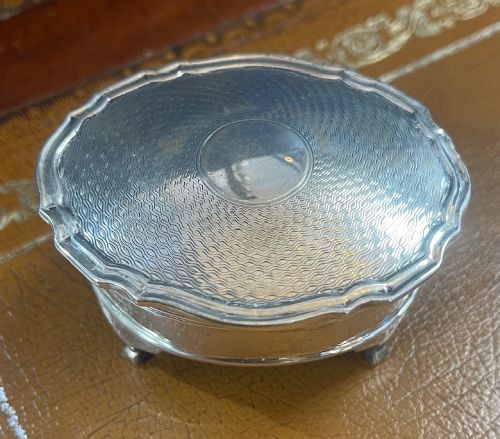
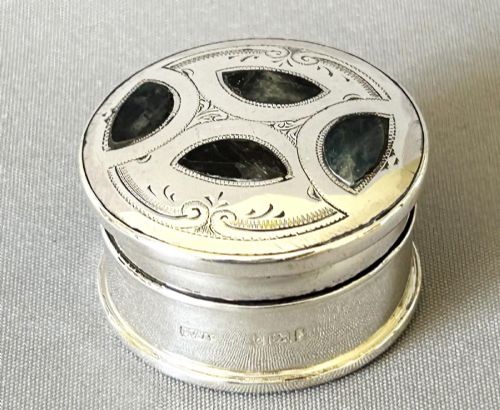
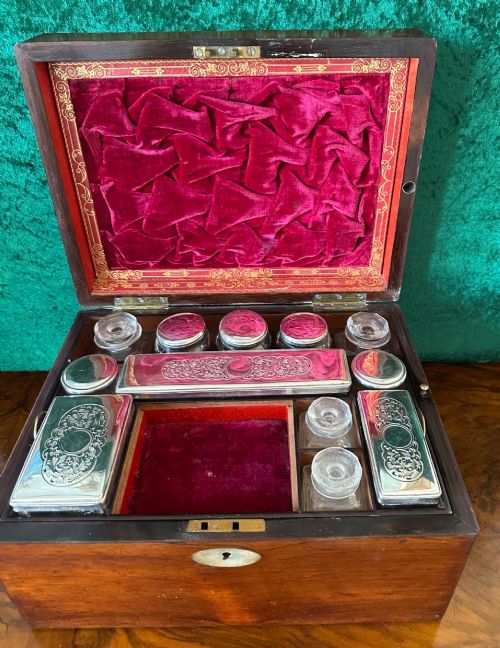
The pieces on this page span the Victorian, Edwardian, and Art Deco eras, alongside George V examples. Formats vary from heart-shaped boxes to Scottish agate set pillboxes and fitted mahogany travelling cases.
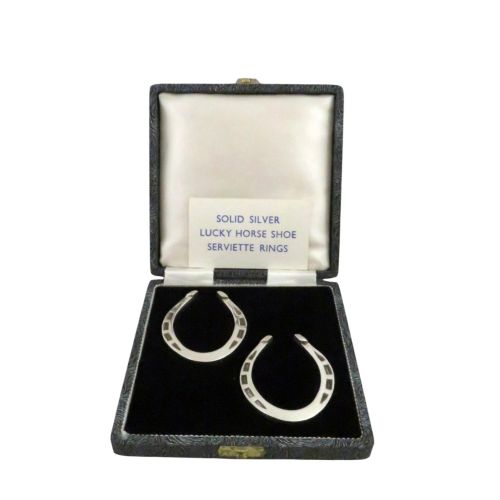
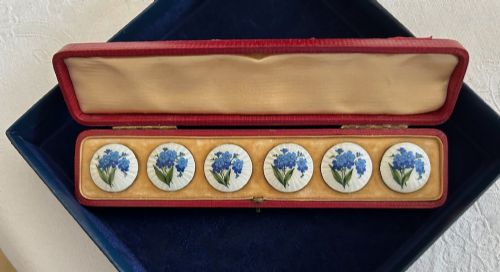
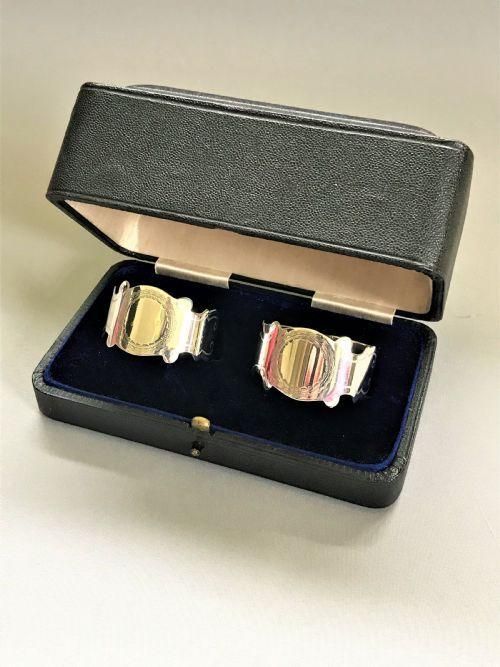
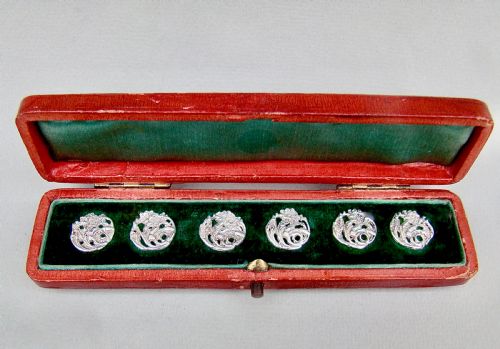
Smaller novelty items and cased sets, such as enamel buttons and napkin rings, often share space with traditional trinket boxes under this heading. Most examples date from the late nineteenth century through the early decades of the twentieth century.
Construction and materials
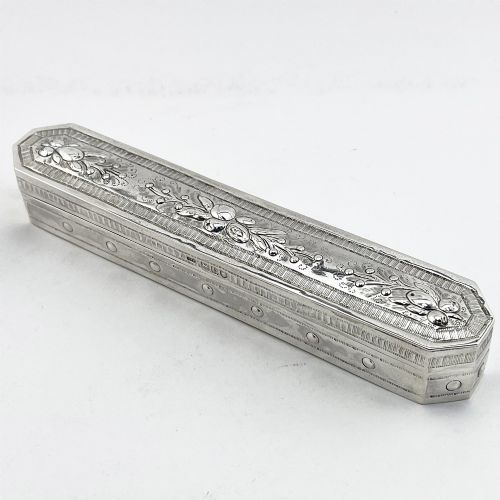
Makers formed these items using sterling silver and standard silver, often incorporating internal linings of plush velvet or leather to cushion contents. Exterior decoration frequently relies on applied enamel work, hand-set Scottish agate, or detailed repoussé and chased patterns.
Structural elements in larger travelling and dressing cases often involve mahogany or glass carcasses encased or mounted in silver fittings. Smaller pieces like pendants and pillboxes utilise hinged lids and secure catches soldered to the main body.
Vintage Silver Jewellery Case Retail Price Guide 2026
Typical asking prices for vintage silver jewellery case among the pieces listed under this phrase on Sellingantiques today, from the lower quarter to the upper quarter. They describe what is for sale here now, not the wider market.
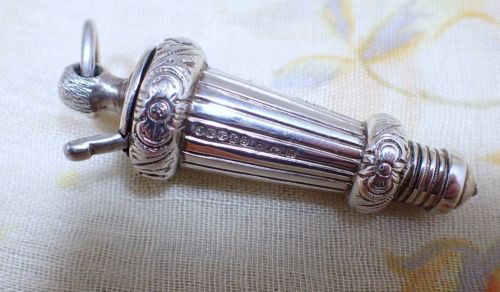
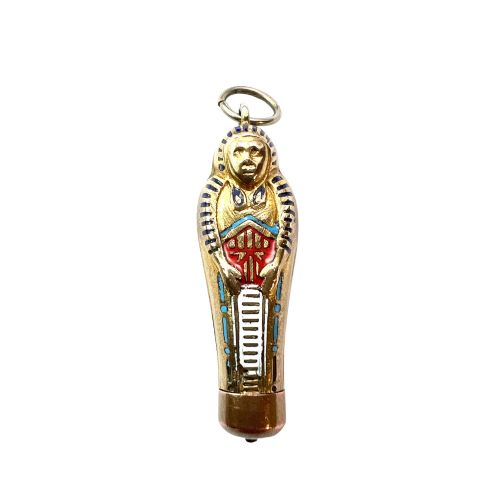
Some cases doubled as hiding spots for a silver whistle or a tiny enamelled Pharaoh.
Judging quality and execution
Superior examples display crisp hallmarks, heavier gauge silver, and precise articulation in hinges and clasps. The integration of decorative elements like fired enamel or polished agate distinguishes finer workshop output from simpler stamped production.
Condition of internal linings such as velvet or leather significantly impacts the integrity of a piece. Original fitted presentation boxes and complete cased sets elevate the standard of survival.
James Deakin & Sons
The Vintage Silver Jewellery Case Glossary
- Hallmark
- An official stamp applied to precious metals indicating the assay office, standard of purity, and year of manufacture. These marks provide the most reliable method for dating silver items.
- Repoussé
- A metalworking technique where the artisan hammers the design from the reverse side to form raised relief on the front. This creates tactile surface decoration popular in Victorian and Edwardian pieces.
- Agate
- A form of chalcedony quartz often cut and polished into geometric or flat slabs for jewellery and box insets. Scottish variants frequently feature in regional nineteenth-century mounts.
- Gauge
- The thickness of the sheet metal used in construction. A good gauge indicates substantial weight and structural resistance to denting.
Vintage Silver Jewellery Case: Frequently Asked Questions
What is a vintage silver jewellery case?
A vintage silver jewellery case is a protective container made primarily of silver, designed to hold rings, brooches, and small valuables. These items range from small desk trinket boxes to fitted travel dressing cases.
Most surviving examples date from the Victorian and Edwardian periods, featuring internal linings of velvet or satin alongside exterior ornamentation like enamel or engraving.
How do I date a silver trinket box?
Dating relies heavily on the stamped hallmarks showing the assay office and date letter. Stylistic clues such as Edwardian garland motifs or Art Deco geometric lines also help determine age.
Comparing construction techniques and interior materials provides further context when assay marks are worn or absent.
Were these cases used for travel?
Larger dressing and travelling cases were built with secure locks and fitted compartments specifically for journeys. Smaller trinket boxes remained static on dressing tables.
Travel versions often incorporated heavy leather or mahogany outer structures lined with velvet to secure bottles and implements during transit.
How should I clean silver cases?
Cleaning requires a soft cloth and a specialised silver polish, applied gently to avoid damaging raised details or soft enamel. Enamelled and agate surfaces need particular care to keep moisture away from stone settings.
Velvet and leather interiors should be brushed gently rather than exposed to liquid cleaners.