
Vintage Silver Jar
These vintage silver jars combine functional storage with decorative craft, offering a glimpse into domestic life from the Victorian era through the Art Deco period.
Vintage Silver Jar
When searching for a vintage silver jar, buyers encounter a diverse selection of containers designed for specific household tasks. The examples on this page span several decades, reaching from late nineteenth-century items through the Edwardian years and into the 1930s.
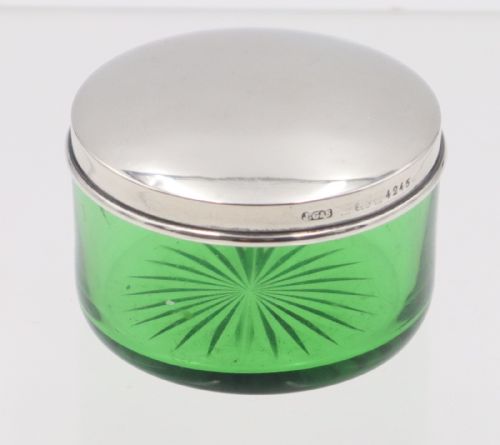
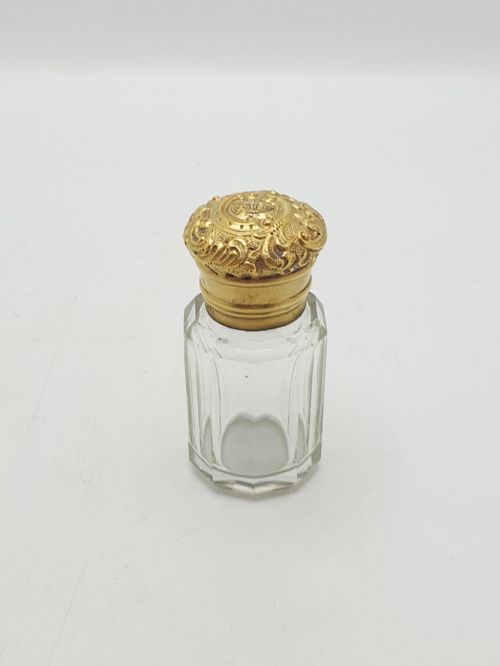
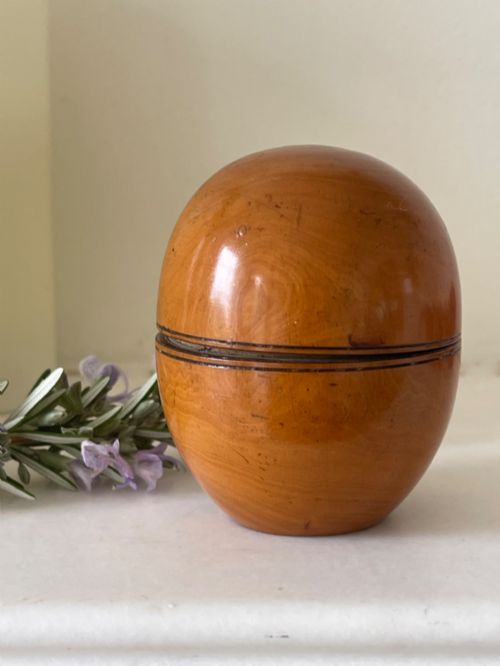
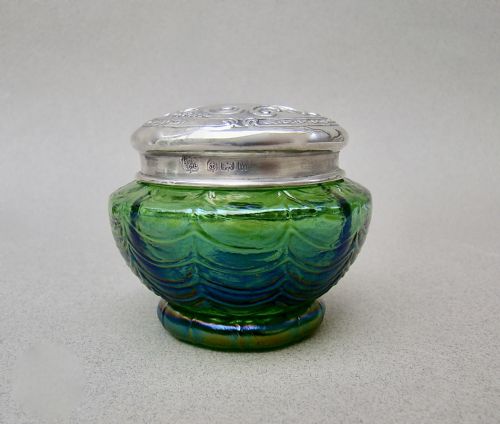
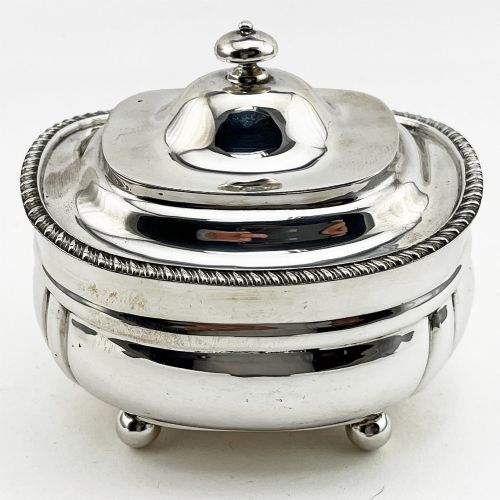
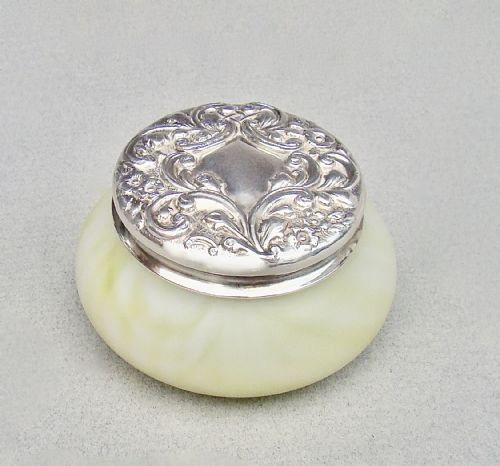
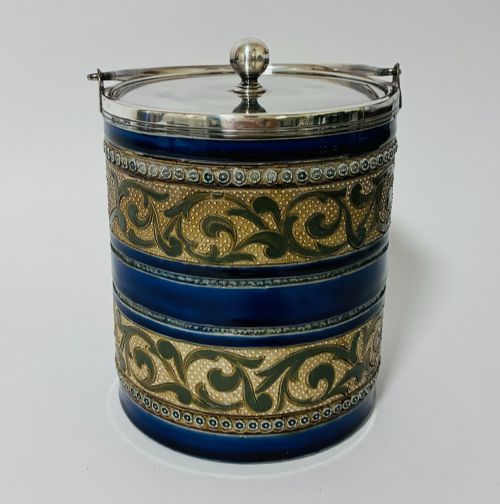
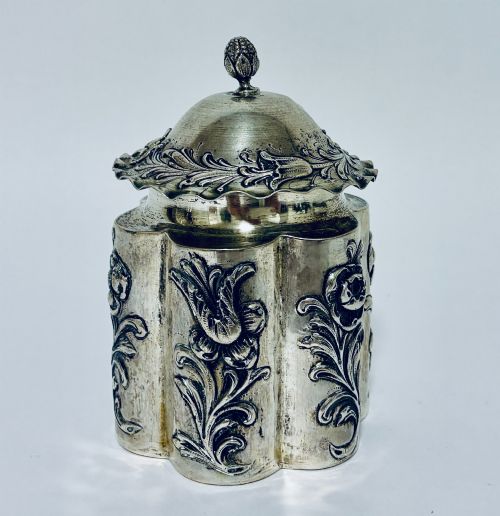
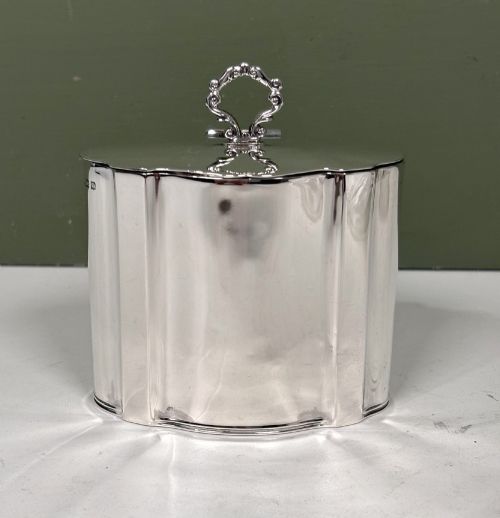
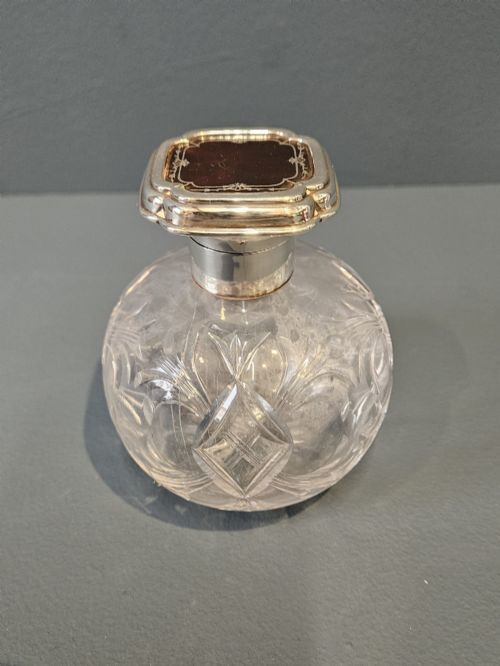
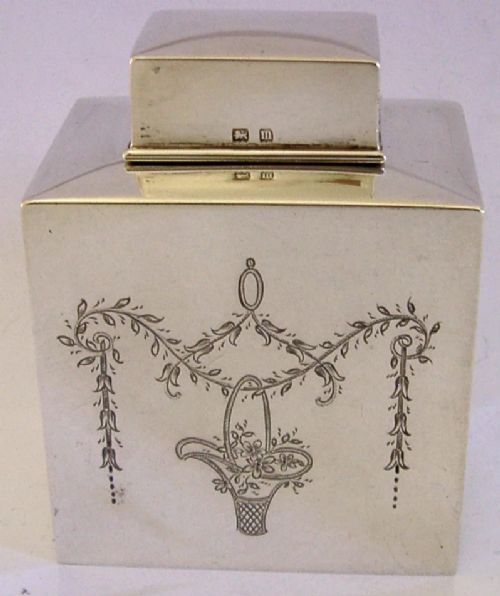
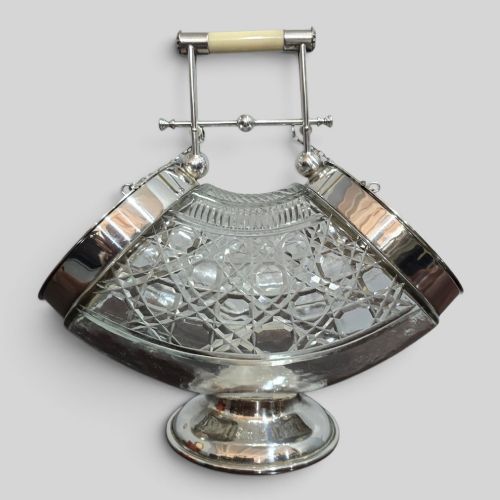
The objects take many forms, including tea caddies, biscuit barrels, scent bottles, and dressing table jars. Glass bodies fitted with silver mounts appear frequently, alongside earthenware vessels and occasional treen pieces.
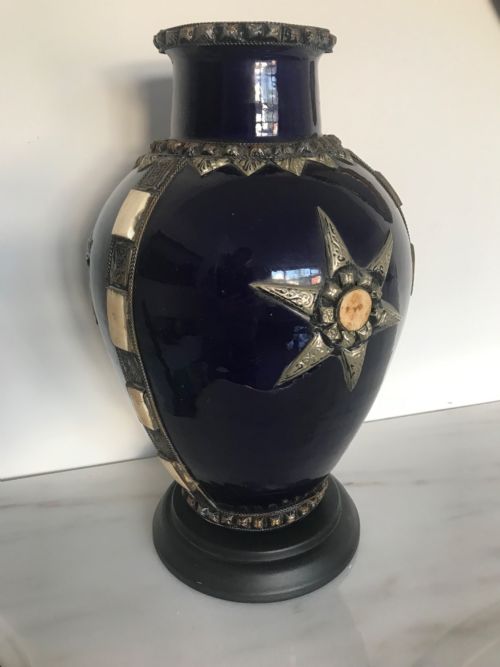
Geographic origins vary from English provincial towns to continental workshops, with occasional pieces from Moroccan and Anglo-Indian makers. These containers served varied domestic purposes, from storing dry goods in the kitchen to holding cosmetics on a dressing table.
How they were made
Makers combined sterling silver or silver plate with cut glass, crystal, and ceramics. Glass bodies were often mould-blown or wheel-cut into hobnail and geometric patterns, then fitted with hinged or slip-on metal lids.
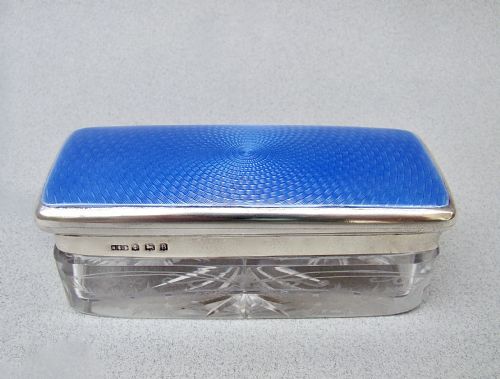
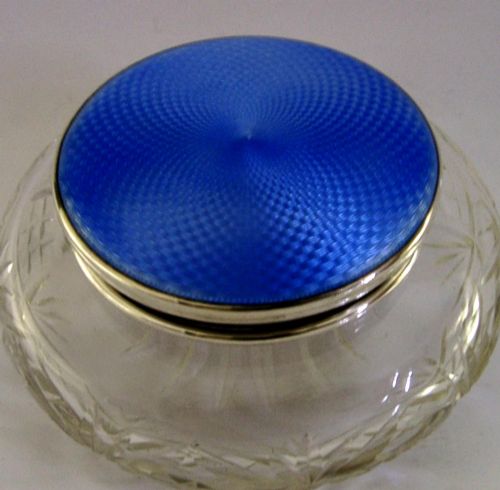
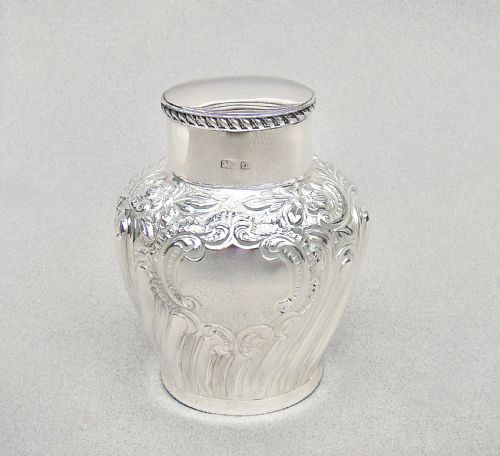
Surface decoration frequently involved guilloche enamel work, tortoise shell panels, and hand-tooled repoussé mounts. Earthenware and porcelain bodies received cobalt blue glazes or transfer-printed designs before receiving their metal additions.
One jam pot takes the botanical form of an apple, bringing a literal orchard touch to the breakfast table.
What varies in quality
Distinction across the range rests on the weight of the metal and the precision of the glass cutting. Heavier gauge sterling mounts and deep, crisp wheel-cut crystal indicate superior production standards.
The refinement of secondary materials also sets pieces apart, such as finely translucent enamel work or neatly fitted tortoiseshell panels. Maker attribution often correlates with careful assembly and clear hallmarks.
A. J. Pepper & Co·Henry Clifford Davis·A. Bromet & Co·Zimmermann·Thomas Hayes·Elkington·WMF·Mappin & Webb·Hukin and Heath·Henry Perkins
The Vintage Silver Jar Glossary
- Sterling silver
- An alloy consisting of ninety-two point five percent silver by mass, with the remainder being other metals such as copper. This standard is frequently denoted by hallmark stamps on the metal mount.
- Guilloche enamel
- A decorative technique where a precise geometric pattern is engraved into a metal surface and covered with translucent enamel. It appears frequently on dressing table jars from the Art Deco period.
- Biscuit barrel
- A covered ceramic, glass, or wooden container with a metal handle and lid, designed for storing dry biscuits at the dining table. Silver plated mounts were standard for these larger vessels.
- Treen
- Small handmade wooden household objects. An antique pill silverer represents this category when lined with metal.
- Hallmark
- An official stamp applied by an assay office to indicate the purity of a precious metal, the maker, and the year of production.
Vintage Silver Jar: Frequently Asked Questions
What were vintage silver jars used for?
These containers served specific functional roles around the home, holding tea leaves, biscuits, cosmetics, or perfumes. Their materials were chosen to protect the contents while adding a decorative element to domestic spaces.
Dressing table jars kept powders and scents close at hand, while larger caddies preserved dry goods in the pantry or dining room.
How do I identify the date of a silver jar?
English silver mounts usually bear hallmarks that record the assay office, the maker's mark, and a date letter corresponding to a specific year. Examining these small stamps provides the most reliable guide to age.
Stylistic indicators, such as Edwardian floral motifs or Art Deco geometric enamel, help narrow the period when hallmarks are absent or worn.
Can I use these jars for food storage today?
Many tea caddies and biscuit barrels remain structurally sound for dry goods, provided the interior linings are clean and intact. Glass and ceramic interiors tolerate contact with edibles well.
Pieces with silver-lined wood or delicate enamel work require more careful consideration to avoid damaging historic surfaces during daily use.
What is the difference between sterling silver and silver plate?
Sterling silver consists of solid precious metal throughout the object, meeting a strict legal purity standard marked by assay offices. Silver plate involves a thin layer of silver bonded to a base metal core, such as copper or brass.
Objects made of solid silver generally carry more weight and distinct hallmarks, whereas plated items often display maker marks indicating their specific manufacturing process.