



Vintage Silver Glassware
These vintage silver glassware pieces bring together period glass and metalwork, offering practical elegance for collectors and home display.
Vintage Silver Glassware
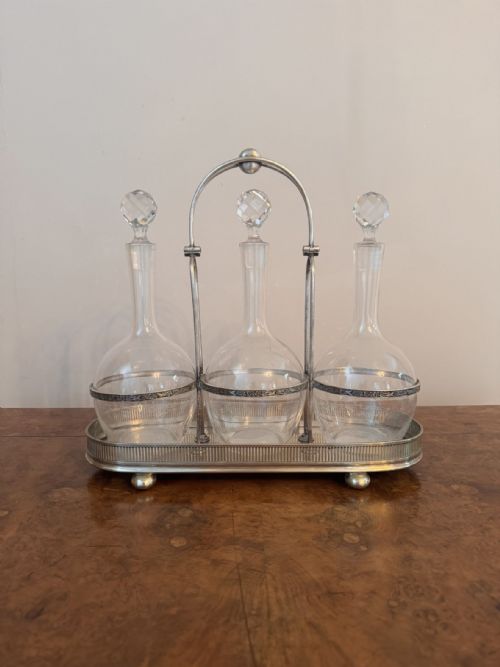
Vintage silver glassware encompasses a diverse range of vessels and table objects combining glass bodies with sterling silver or silver plate mounts. When searching for vintage silver glassware, buyers encounter items spanning from the Victorian and Edwardian eras through to Art Deco, mid-century modern, and late twentieth century studio glass. The selections on this page most commonly feature decanters, vases, preserve bowls, and barware.
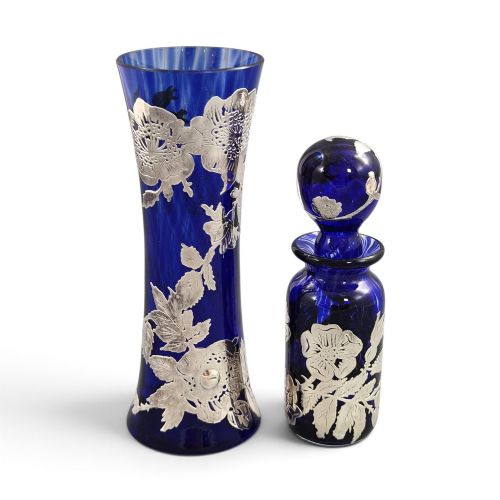
The objects frequently utilise coloured glass bodies, such as cranberry, cobalt, and green glass, alongside clear cut glass. These pieces originate from various historical periods, notably the Edwardian period and the nineteen-thirties, often displaying silver overlays or rims applied to the glass.
Barware and decanter sets represent a significant portion of the offerings, alongside individual vases and matching shot glasses. The combination of glass and precious metal creates functional items intended for dining tables and drinks cabinets.
Materials and construction methods
Makers combined blown or cut glass vessels with metal components, utilising sterling silver and silver plate for mounts, rims, and stands. Glass bodies were shaped into decanters, vases, and bowls before metal elements were fitted or applied directly to the surface.
Techniques such as silver overlay involved bonding silver directly onto the glass body to form decorative patterns. Mounts and collars were secured to glass necks and rims to hold stoppers or create finished edges.
Vintage Silver Glassware Retail Price Guide 2026
Typical asking prices for vintage silver glassware among the pieces listed under this phrase on Sellingantiques today, from the lower quarter to the upper quarter. They describe what is for sale here now, not the wider market.
Listings feature items from the Victorian, Edwardian, and Art Deco periods, utilising cranberry glass, cobalt glass, and sterling silver.
Factors of quality in vintage silver glassware
Quality depends upon the clarity and colour of the glass, the precision of any cut decoration, and the substance of the silver mounts. Heavier glass vessels and thicker silver overlays or solid sterling components distinguish finer items from standard productions.
The integration between the glass body and the metal fittings dictates the overall standard of manufacture. Complete matched sets, original stoppers, and distinct period hallmarks indicate higher levels of craftsmanship.
Laugharne Glass·Hukin and Heath
The Vintage Silver Glassware Glossary
- Silver plate
- A base metal coated with a thin layer of silver. This technique provided the appearance of solid silver at a lower cost for items like stands and mounts.
- Cranberry glass
- A type of red-pink glass created by adding gold chloride to the molten glass batch. It appears frequently in Victorian and Edwardian tableware.
- Decanter
- A vessel used for holding and serving wine or spirits, often fitted with a stopper. In this category, decanters frequently feature silver collars, overlays, or matching glasses.
- Silver overlay
- A decorative technique where silver is applied to the surface of a glass object in floral or geometric patterns. The metal bonds permanently to the glass during manufacture.
- Sterling silver
- An alloy consisting of ninety-two point five percent silver and seven point five percent other metals, usually copper. It is the standard for high-quality solid silver items.
Vintage Silver Glassware: Frequently Asked Questions
What is vintage silver glassware used for?
These pieces serve primarily as functional tableware and decorative display items for drinks and dining. Items like decanters, noggins, and shot glasses hold spirits, while vases and bowls display flowers or preserves.
Collectors utilise them to set period-appropriate dining tables or display them within cabinets. Their mixed-media construction allows them to function as both practical vessels and decorative art objects.
How do I care for silver and glass items?
Cleaning requires gentle hand washing with warm water and mild soap to protect both the glass and the metal components. Abrasive cleaners must be avoided as they scratch glass and wear away silver plate or thin overlays.
Silver parts benefit from occasional polishing with a soft cloth and a dedicated silver cleaner, taking care not to stain the surrounding glass surface. Storing items away from direct sunlight preserves the colour of sensitive glass types like cranberry.
How do I identify Edwardian glass and silver?
Edwardian pieces often feature delicate floral motifs, cranberry or clear cut glass bodies, and sturdy silver plate stands or mounts. Stylistic cues draw upon late nineteenth-century traditions while showing lighter, more refined proportions.
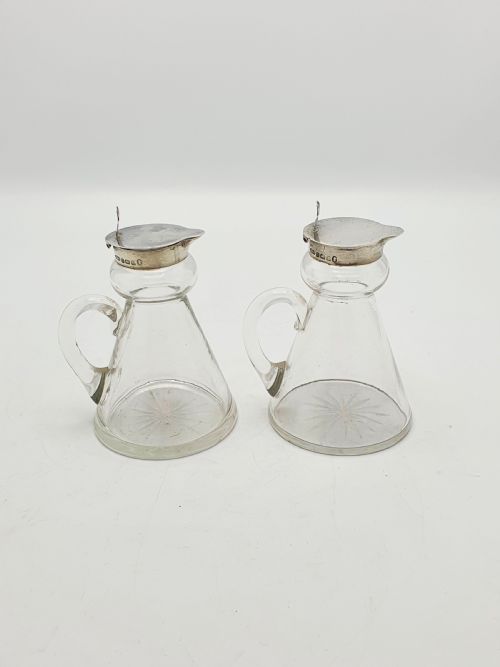
Assay office marks and date letters stamped on the silver mounts provide precise chronological confirmation. Comparing the weight of the metal and the cut of the glass helps distinguish Edwardian production from later reproductions.
What is a silver noggin?
A noggin is a small mug or vessel traditionally used for serving a single measure of spirits, such as whisky. Examples in this category combine a thick glass body with a sterling silver rim, handle, or matching stopper.
These portable drinking vessels saw common use in private homes and gentlemen's clubs during the nineteenth and early twentieth centuries. Their compact size distinguishes them from larger decanters and jugs.