
Vintage Silver Gilt
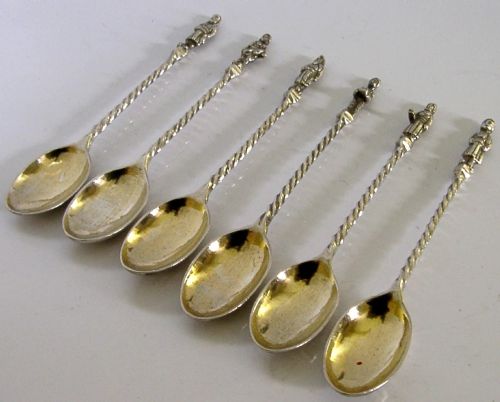
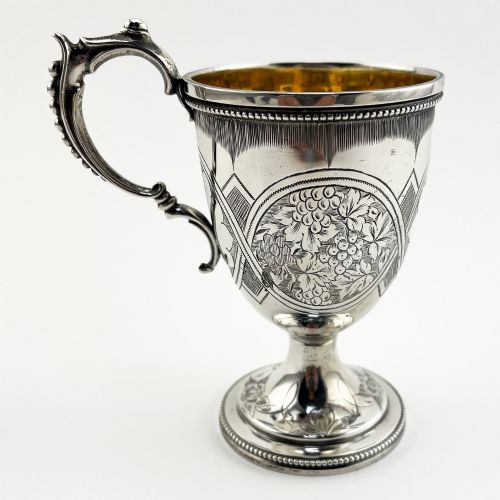
Vintage silver gilt brings warmth and rich metallic lustre to small decorative objects, tableware, and lighting through a fine layer of gold applied over silver.
Vintage Silver Gilt
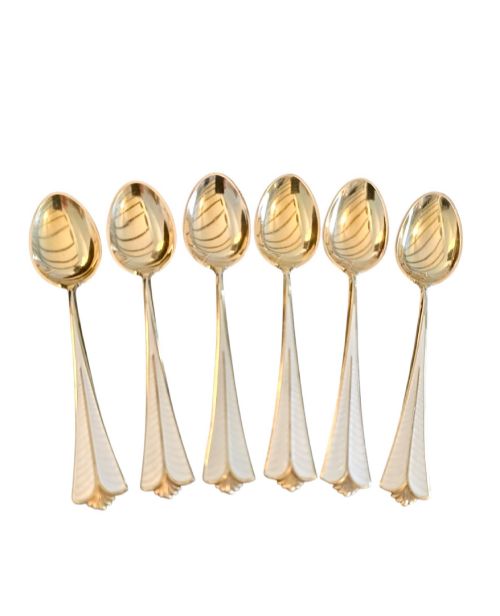
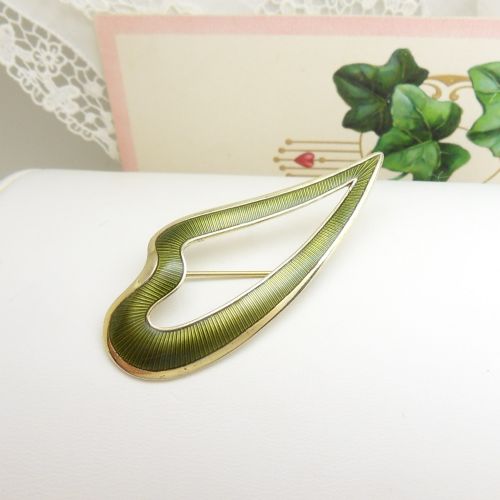
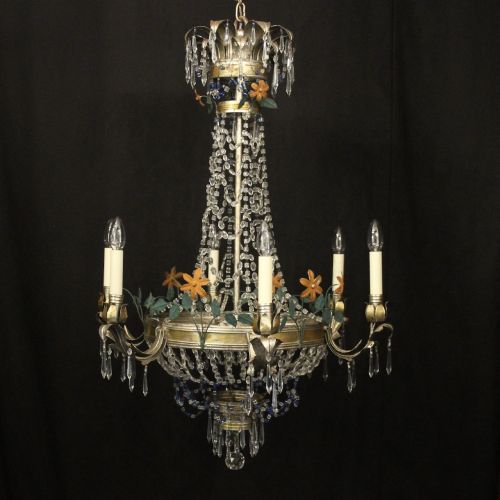
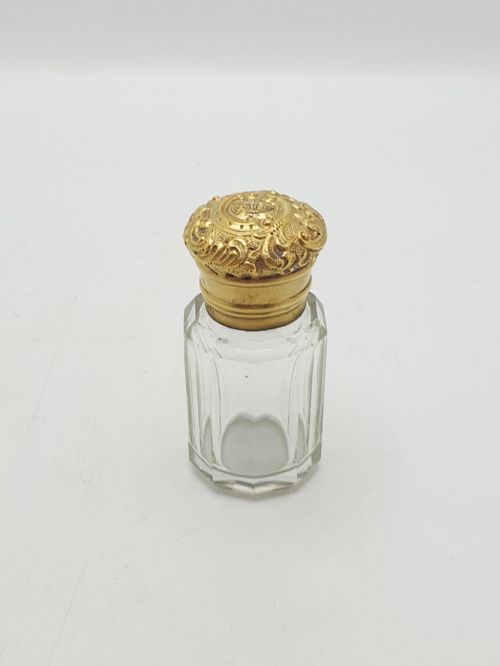
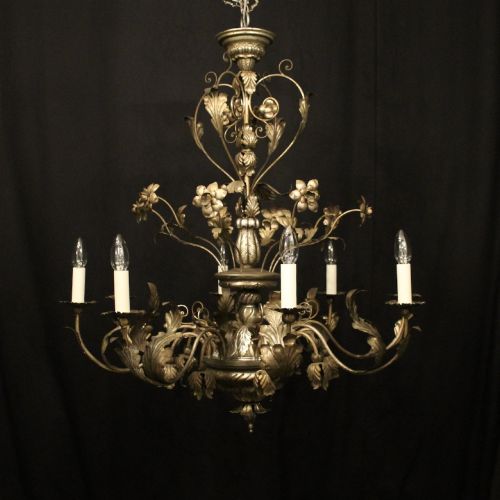
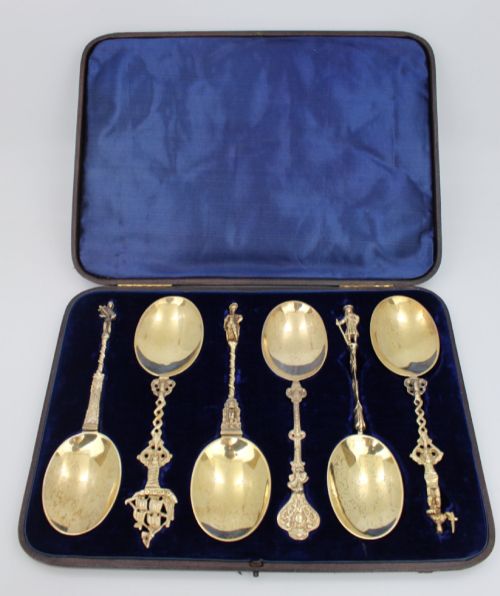
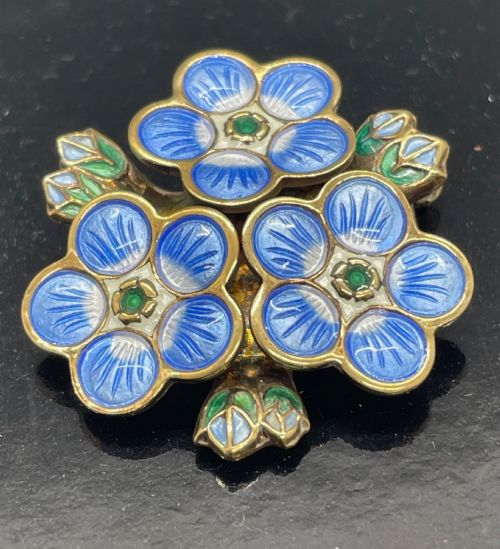
When searching for vintage silver gilt, buyers encounter items ranging from mid-century Scandinavian enamel brooches and coffee spoons to Victorian scent bottles and French chandeliers.
The selections span periods from the nineteenth century through the 1960s, featuring works created in sterling silver, solid silver, and copper bases enhanced with precious metal coatings.
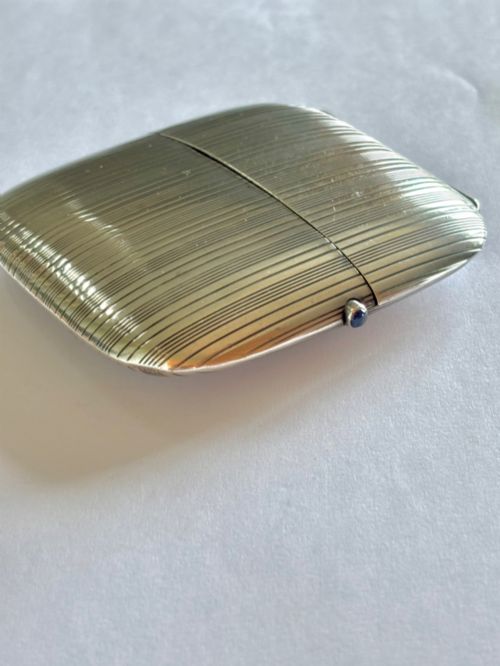
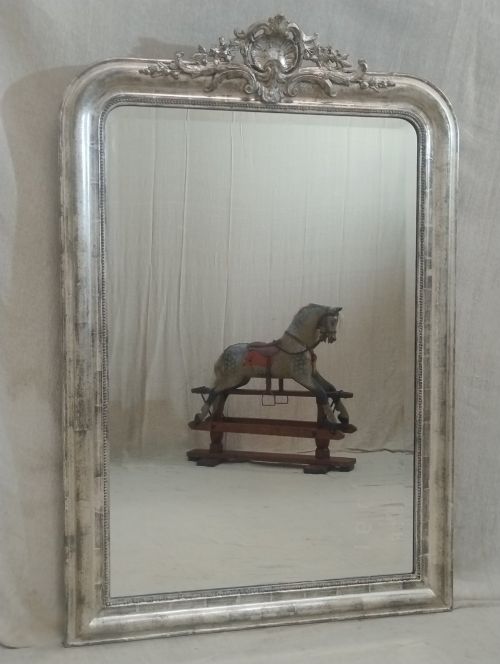
Objects vary widely in function, encompassing personal accessories like cigarette card cases and earrings alongside grander domestic pieces including wall mirrors and multi-light sconces.
Craftsmanship and Materials
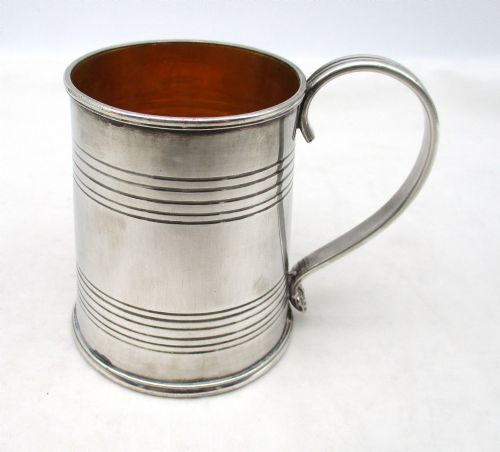
Items are constructed using foundational metals such as sterling silver, solid silver, and base metals like Old Sheffield plate, which are then treated with silver gilt, gold gilt, or silver leaf.
Decorative surface treatments frequently incorporate translucent enamel, guilloche patterns, and hand-cut glass to complement the metallic sheen.
Structural elements in larger pieces such as chandeliers and mirrors utilise wood, gesso, and crystal glass assembled by period artisans.
Listings feature items spanning the 1880s through the 1960s, incorporating materials such as sterling silver, enamel, gesso, and glass.
Distinctions in Quality
The integrity of the surface layer dictates the standard of a piece, with even application and minimal loss of the gold or silver coating marking superior examples.
Maker attribution and clarity of hallmarks from known workshops elevate the standing of items like Norwegian enamel brooches and London-marked silver pieces.
Precision in secondary elements, such as the clarity of cut glass scent bottles or the fine detail within enamel guilloche work, separates standard production from finer output.
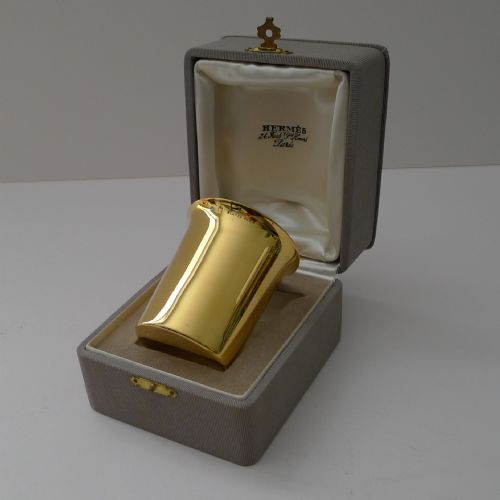
David Andersen·Aksel Holmsen·Hermes Paris·Deakin And Francis·Tiffany And Company·F Osbourne And Co
The Vintage Silver Gilt Glossary
- Silver Gilt
- Silver that has been coated with a thin layer of gold, combining the strength of silver with the rich appearance of gold. This finish is also historically known as vermeil.
- Guilloche
- A decorative engraving technique producing precise, intricate geometric patterns beneath a transparent layer of enamel. It appears frequently on mid-century Norwegian brooches and compacts.
- Pyx
- A small round container used in Christian liturgical services to carry the Eucharistic host. These ecclesiastical boxes are often fashioned in solid sterling silver with gilt interiors.
- Old Sheffield Plated
- A composite material made by fusing a layer of silver to a copper base, popular in earlier domestic metalwork before modern electroplating techniques.
- Scent Bottle
- A small container designed for holding liquid perfume, often fitted with a hinged cap and mounted in precious metals for personal carriage.
Vintage Silver Gilt: Frequently Asked Questions
What is vintage silver gilt?
Vintage silver gilt refers to items fashioned from silver that have been coated with a layer of gold. This process creates a warm dual-tone appearance that unites the durability of silver with the rich colour of gold.
Pieces carrying this finish span from the nineteenth century into the mid-twentieth century, covering everything from flatware and brooches to lighting fixtures.
How do I care for silver gilt?
Silver gilt requires gentle maintenance to preserve the delicate gold layer over the underlying metal. Avoid abrasive cleaning pastes or harsh chemical dips that can strip the surface plating away.
Use a soft cloth to remove dust and store items in dry environments away from direct sunlight to protect any accompanying enamel or glass elements.
What styles are common in silver gilt?
The aesthetic of these pieces shifts according to the decade of manufacture. Art Deco examples showcase geometric lines and blue cabochons, while mid-century Scandinavian designs feature vibrant guilloche enamel work.
Earlier nineteenth-century pieces lean towards ornate Victorian detailing, ecclesiastical craftsmanship, and French chateau influences with crystal and gilded brass mounts.
How can I identify the maker?
Makers and origins are typically identified through hallmarks, sponsor marks, or stamped signatures on the metal components. British pieces often display assay office marks and date letters indicating the exact year of creation.
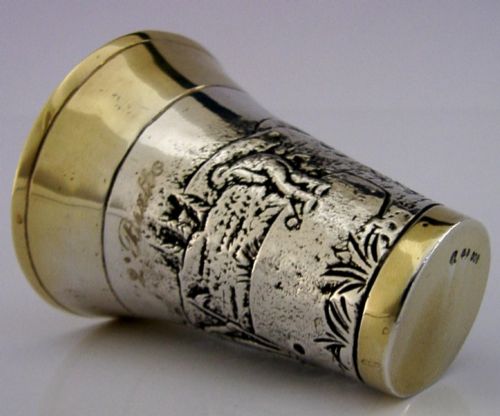
Scandinavian and continental European items frequently bear maker ciphers or specific silver purity numbers such as 800 or .900 near the edge of the object.