



Vintage Silver Framed Mirror
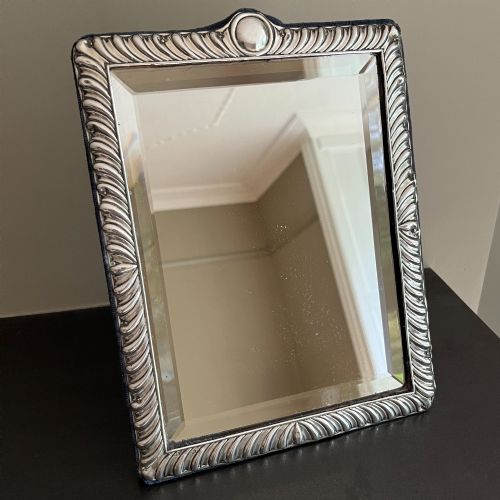
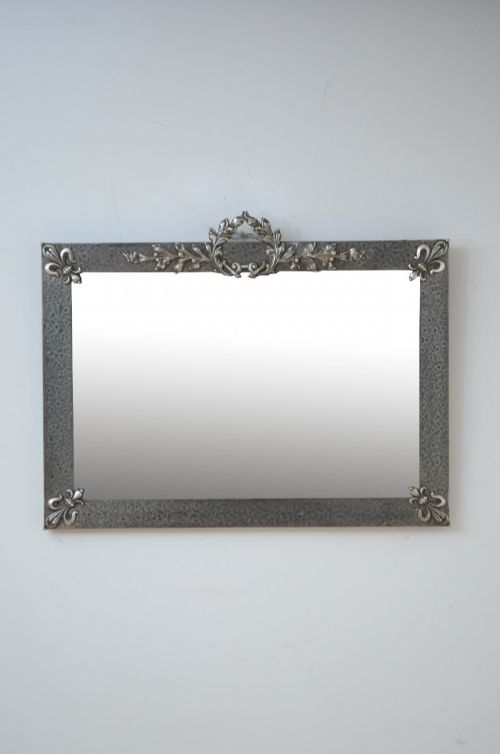
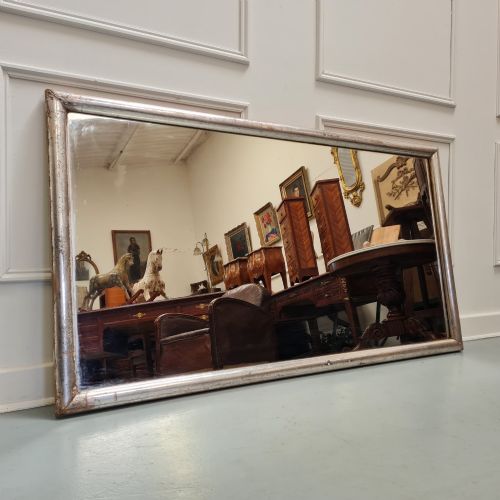
A vintage silver framed mirror brings a sharp, reflective clarity to a room, catching the natural light with a bright metallic border.
Vintage Silver Framed Mirror
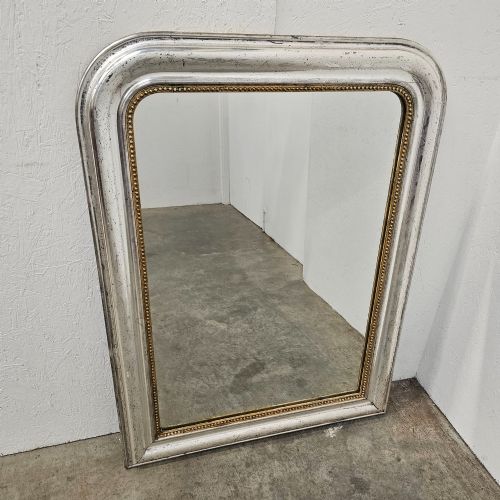
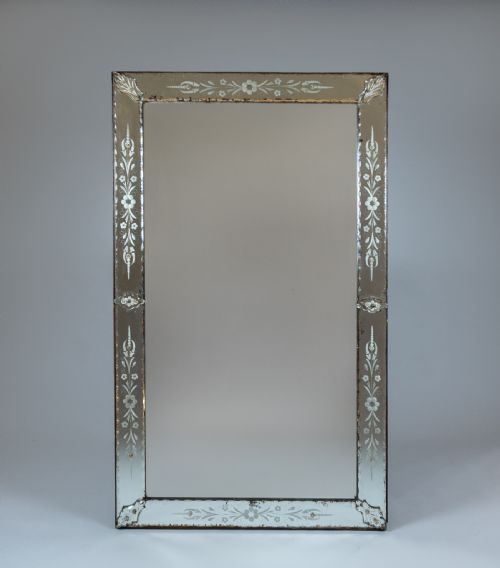
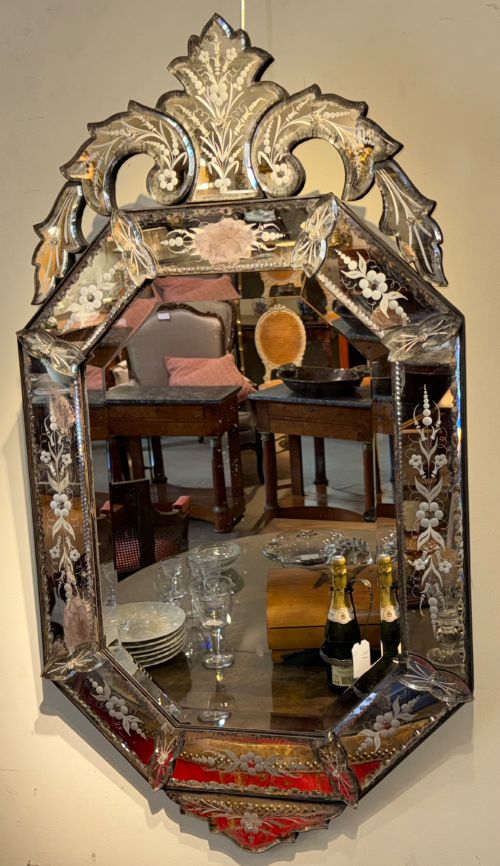
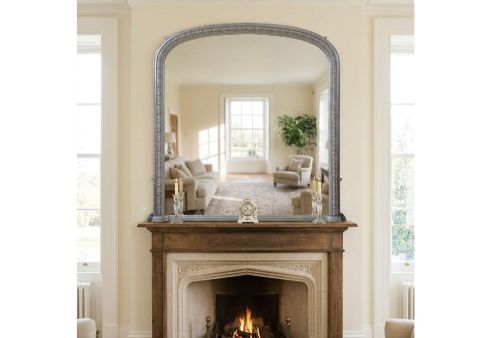
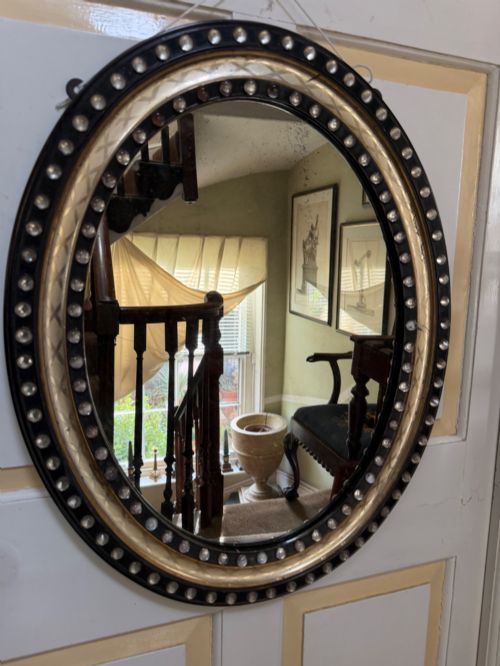
When you search for a vintage silver framed mirror, you encounter a range of forms spanning wall mirrors, overmantels, dressing table pieces, and Venetian cushion styles. The selection includes tall arched overmantels alongside smaller table-standing strut mirrors and decorative girandoles.
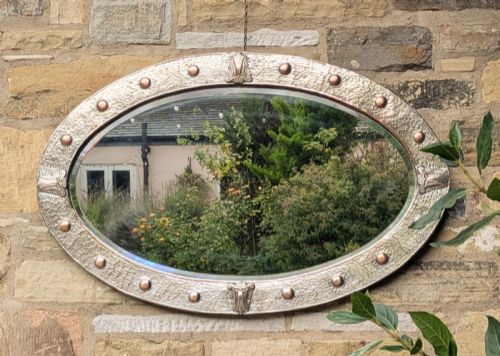
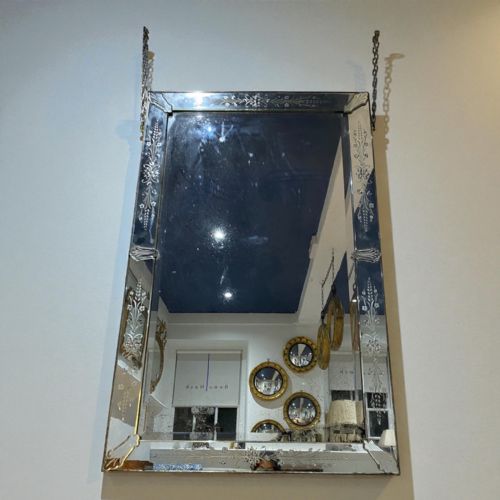
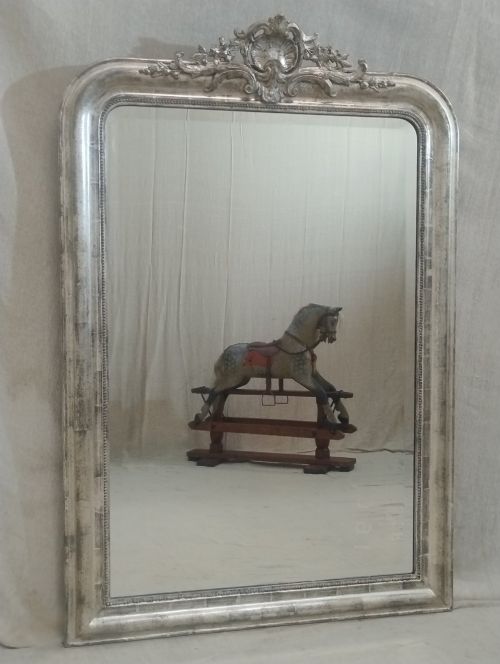
The objects derive from periods reaching from the nineteenth century into the twentieth, taking influence from French Louis Philippe, Art Deco, and Arts and Crafts aesthetics. Venetian glasses with engraved plates and applied glass decoration appear frequently among the pieces.
Buyers often find substantial wall-hanging plates meant for living spaces alongside compact dressing table mirrors suited to bedrooms. The materials encompass traditional wood frames beneath silver leaf and gesso, alongside solid sterling silver, brass, and chrome.
Materials and construction methods
Frames rely on wood, brass, or metal cores built to support heavy glass plates. Wooden structures receive layers of gesso before the application of silver leaf or silver gilt.
Reflective surfaces include early mercury glass plates, bevelled mirror glass, and pink tinted glass. Hand-hammered metalwork defines specific Arts and Crafts pieces, while Venetian examples feature engraved glass sections fixed directly to the frame.
Vintage Silver Framed Mirror Retail Price Guide 2026
Typical asking prices for vintage silver framed mirror among the pieces listed under this phrase on Sellingantiques today, from the lower quarter to the upper quarter. They describe what is for sale here now, not the wider market.
Distinctions in quality
The refinement of the frame carving and the depth of the silver leaf or gilding dictate the visual impact of the piece. Crisp lines on Louis Philippe frames or intricate hand-engraving on Venetian plates separate exceptional examples from standard production.
The condition and age of the mirror plate itself alter the character of the reflection, with natural foxing and original bevels indicating period authenticity.
WMF·A.J Rowley
The Vintage Silver Framed Mirror Glossary
- Gesso
- A plaster-like mixture applied to wood frames to create a smooth surface for gilding or silvering. It allows for crisp moulding details.
- Overmantel
- A large mirror designed to hang specifically above a fireplace mantel. These pieces often feature arched tops and generous proportions.
- Mercury glass
- An early form of double-walled glass blown with a silvering liquid inside. It creates a cloudy, atmospheric reflection.
- Girandole
- A decorative wall mirror featuring integrated candle sconces or electric lights attached to the frame. The branches multiply the available light.
- Foxing
- Age-related spots and discoloration within the silvering of the mirror plate. This oxidation appears as soft brown or dark patches.
Vintage Silver Framed Mirror: Frequently Asked Questions
How do I hang a heavy overmantel mirror?
Large overmantel mirrors require secure wall fixings directly into structural studs or masonry using heavy-duty brackets.
Professional installation ensures the substantial weight of the wood frame and glass plate remains properly supported.
What is mercury glass?
Mercury glass is a double-walled material used in older mirrors that produces a distinctive speckled reflection.
Despite the name, manufacturers used a silver and sugar solution rather than actual mercury to achieve the effect.
How should I clean an antique silver frame?
Dust the silver leaf or gilt frame gently with a dry, soft brush to protect the delicate metallic surface.
Avoid commercial chemical cleaners, as moisture and harsh agents damage aged gesso and gilding.
Why do some mirrors have dark spots?
Dark spots and foxing occur when moisture seeps behind the glass and oxidises the silver backing over decades.
Collectors view this natural ageing process as evidence of period authenticity rather than a structural fault.