

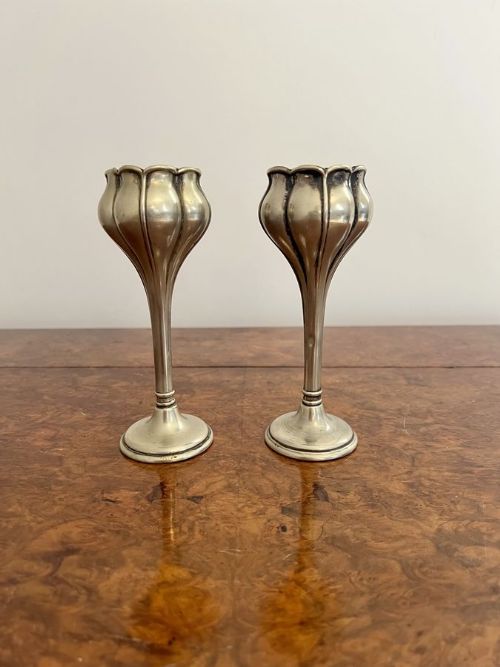
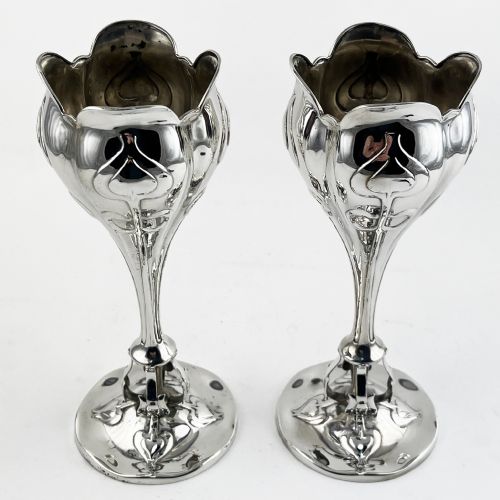


Vintage Silver Flower Vase
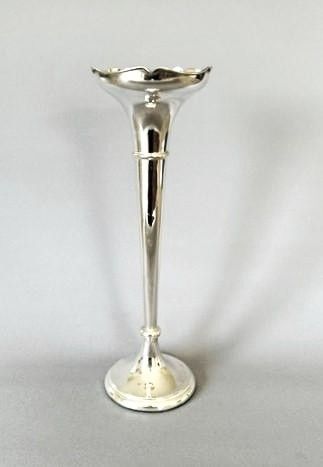
A vintage silver flower vase brings domestic horticulture into focus, offering a structured receptacle for fresh stems that anchors a dining table or mantelpiece.
Vintage Silver Flower Vase
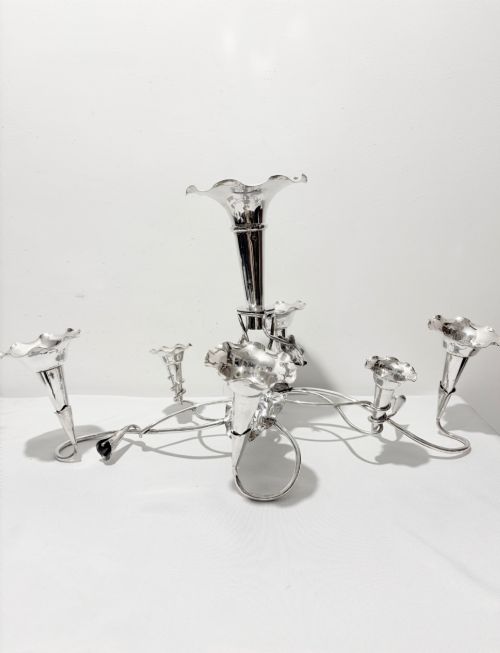
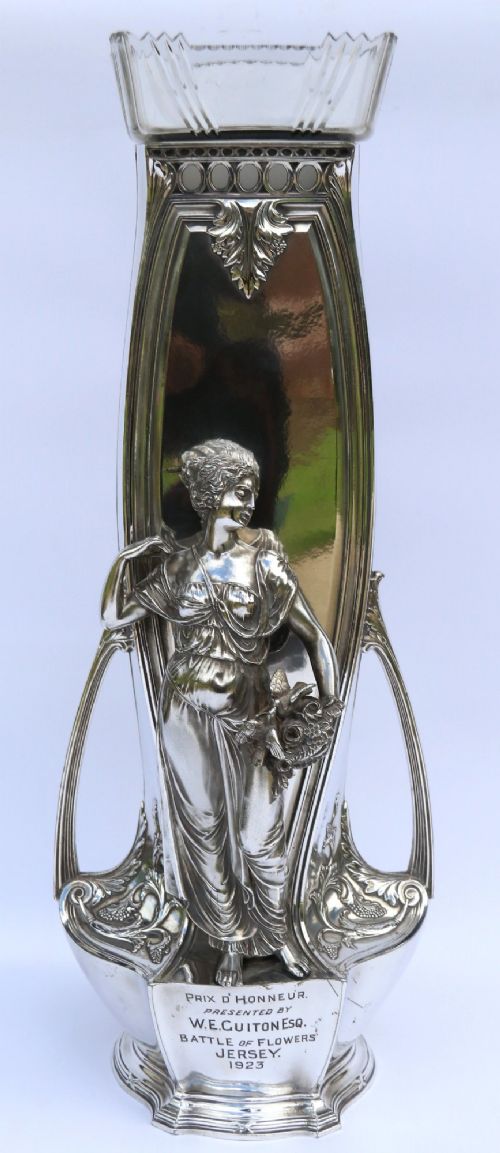
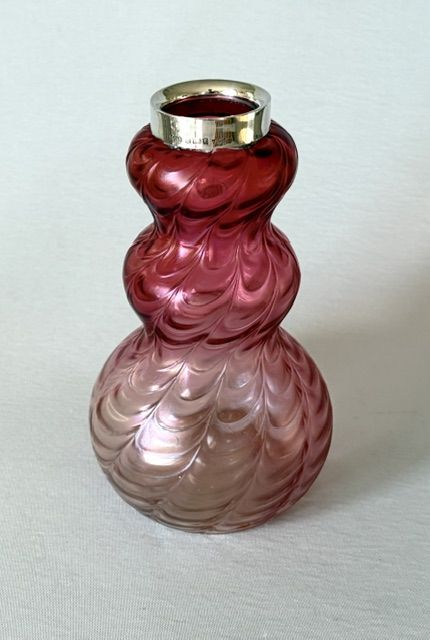
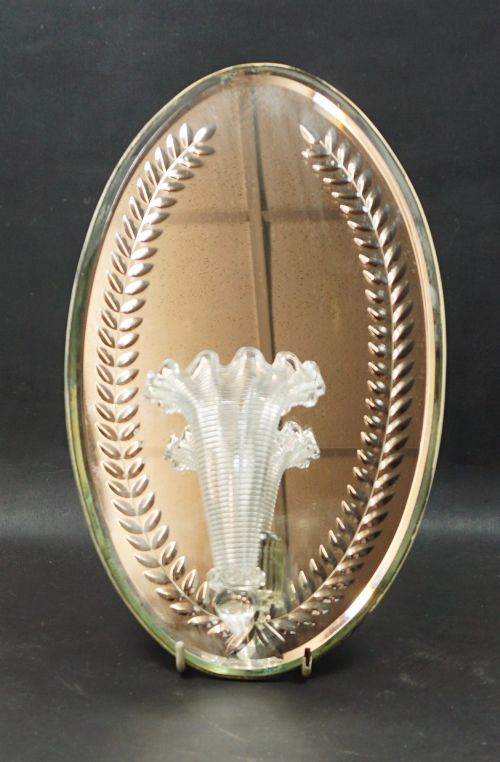
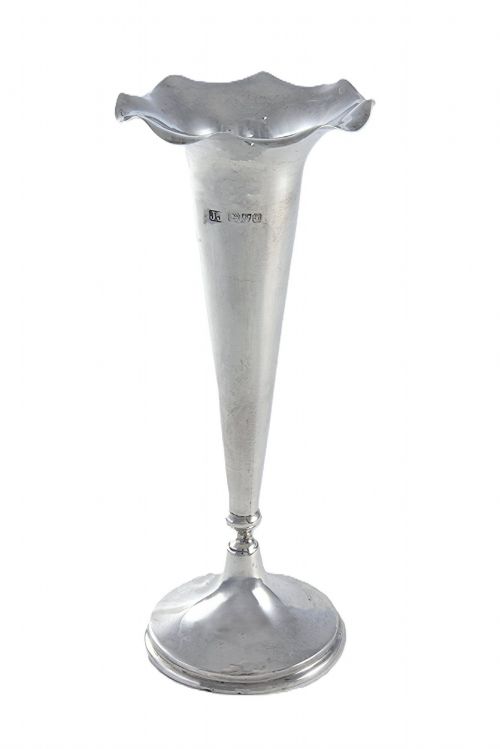
When searching for a vintage silver flower vase, one encounters an array of vessels designed to display blooms across distinct historical periods. The examples found here span from Victorian and Edwardian iterations through to Art Deco and Jugendstil designs, reflecting shifts in domestic display over more than half a century. Forms range from simple spill vases and posy vessels to multi-trumpet epergnes and substantial table centrepieces.
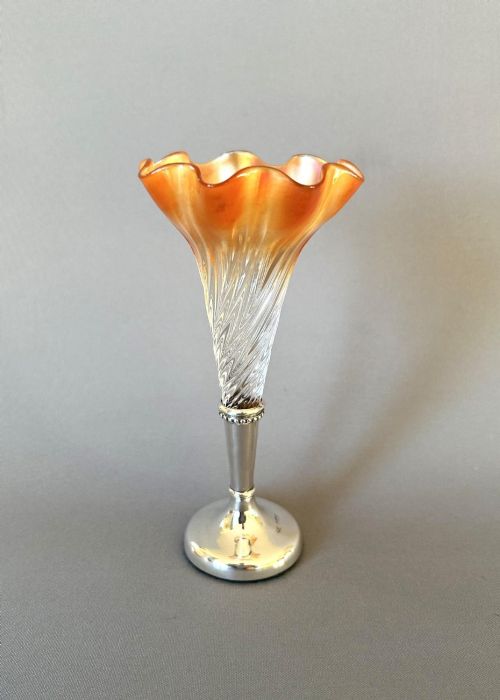
The most common formats met on this page include tall silver-plated cylinders, sterling silver spill vases, and combination pieces featuring cut glass or clear glass flutes paired with metallic bases. Makers utilised various metals including standard silver plate, electroplated nickel silver, sterling silver, and chrome. These pieces served both practical and decorative functions in period households, holding cut flowers while functioning as centrepieces of interior arrangement.
How they were made
Production methods rely on the manipulation of metals and glass to form stable, watertight receptacles. Sterling silver and silver-plated items typically involve smithing, spinning, or stamping sheet metal into slender vase bodies, often weighted at the base for stability. Art Nouveau and Jugendstil examples employ fluid, organic shaping, whereas Art Deco and later pieces favour geometric rigidity.
Many designs integrate clear glass or cut glass inserts, flutes, and trumpets supported by silver or plated metal mounts. Makers such as Hukin & Heath, Daniel & Arter, and Beldray Ltd applied distinct plating techniques and structural frameworks to secure glass elements within metal collars or branches.
Vintage Silver Flower Vase Retail Price Guide 2026
Typical asking prices for vintage silver flower vase among the pieces listed under this phrase on Sellingantiques today, from the lower quarter to the upper quarter. They describe what is for sale here now, not the wider market.
Listings span multiple decades from the nineteenth century through the interwar years, incorporating Edwardian, Victorian, Art Deco, and Jugendstil aesthetics across silver plate, sterling silver, and glass.
What varies in quality
Quality differences emerge in the weight of the metal, the clarity and cut of associated glass components, and the integrity of the silver plating over base metals. Thicker gauge silver and substantial weighted bases provide greater physical durability and balance, whereas thinner plated alternatives show wear down to the base metal over decades of cleaning.
Artistic execution distinguishes standard utilitarian vessels from refined examples, particularly in the handling of decorative motifs associated with Art Nouveau, Edwardian, and Art Deco styles. Intricate piercing, crisp hallmarks, and well-preserved glass inserts indicate higher standards of original manufacture.
Beldray Ltd·Daniel & Arter·Hukin & Heath
The Vintage Silver Flower Vase Glossary
- Spill vase
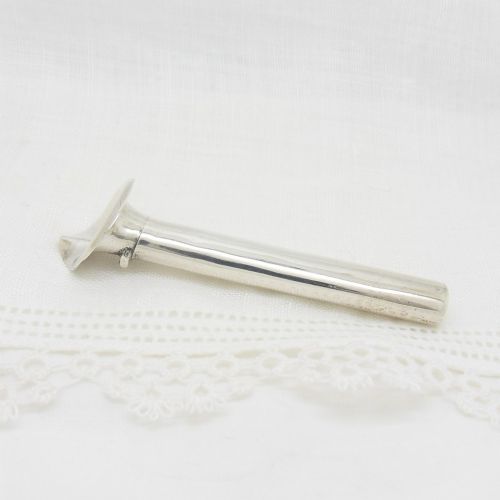
- A slender vessel originally intended to hold taper spills for lighting fires or lamps, later adopted for single flower stems. These tall, narrow receptacles appear frequently in silver and silver plate.
- Epergne
- A large ornamental centrepiece featuring a central bowl or trumpet surrounded by multiple branching arms and smaller vases. They were placed on dining tables to hold fruit, sweets, or flowers.
- Electroplated Nickel Silver
- A base metal alloy of copper, nickel, and zinc coated with a thin layer of silver through an electrolytic process. This material formed the foundation for many affordable household items.
- Jugendstil
- The continental European variant of Art Nouveau, prevalent around nineteen hundred. It is characterised by sinuous, plant-inspired lines and unconventional forms.
- Posy vase
- A short, compact vessel designed to hold a small bunch or posy of flowers. They sit low on surfaces and often feature wide mouths to support clustered stems.
Vintage Silver Flower Vase: Frequently Asked Questions
How do I clean a vintage silver flower vase?
Maintenance requires gentle washing with warm soapy water and a soft cloth to remove mineral deposits left by water and stems. Avoid harsh abrasive polishes that wear away thin silver plating over time.
For sterling silver components, standard non-abrasive silver cream restores the surface lustre without damaging hallmarks or engraved details. Ensure glass inserts are removed from metal bases before washing to prevent moisture trapping.
Can I use these vases for fresh flowers?
Most of these vessels function well for fresh arrangements, though older plated or glass pieces benefit from careful handling when filled with water. Metal linings and glass inserts prevent direct water contact with vulnerable soldered joints.
Posy vases and spill vases suit short-stemmed or single-stem arrangements, while larger epergnes and centrepieces accommodate multi-branch displays. Empty and dry the interior thoroughly after use to prevent corrosion or tarnish.
How do I identify an Edwardian silver vase?
Edwardian items date from nineteen hundred to nineteen ten, often displaying neoclassical motifs like swags, ribbons, and fluting inherited from Victorian tastes but rendered with lighter proportions. Hallmarks on sterling examples include date letters and assay office marks corresponding to this specific reign.
Cut glass and silver combinations appear frequently in this period, alongside slender silver-plated spill vases designed for formal Edwardian mantelpieces and sideboards.
What is the difference between silver plate and sterling silver?
Sterling silver contains a standardised proportion of pure silver alloyed with other metals for structural strength, bearing official hallmarks confirming its precious metal content throughout. Silver plate consists of a base metal, such as nickel silver or copper, coated with a thin outer layer of pure silver.
Over decades of use, worn silver plate may reveal the darker base metal beneath high-contact areas, whereas sterling silver maintains uniform composition below the surface.