


Vintage Silver Figurine
A vintage silver figurine brings character to a desk or cabinet through animal forms, dancers and novelties.
Vintage Silver Figurine
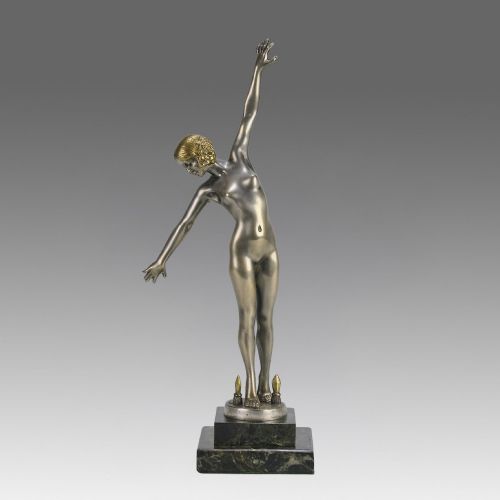
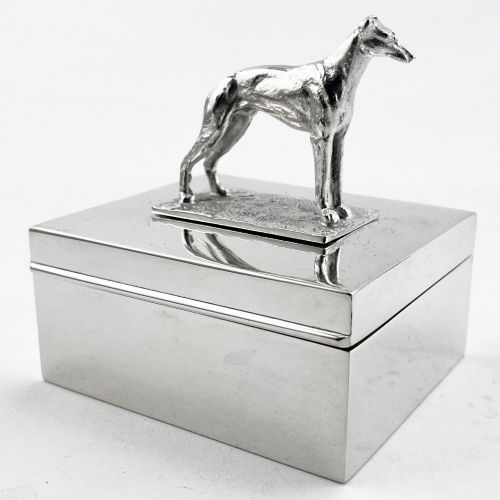
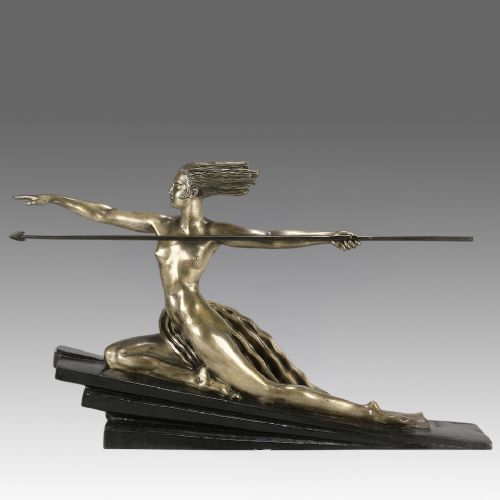
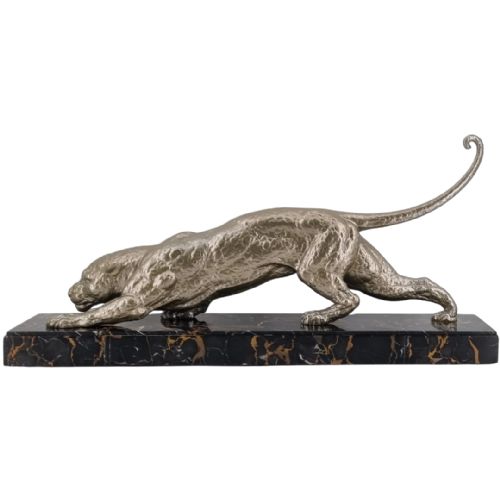
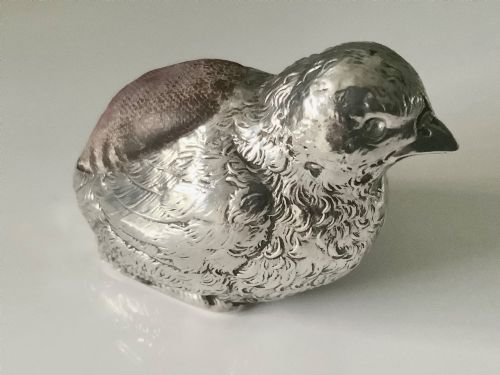
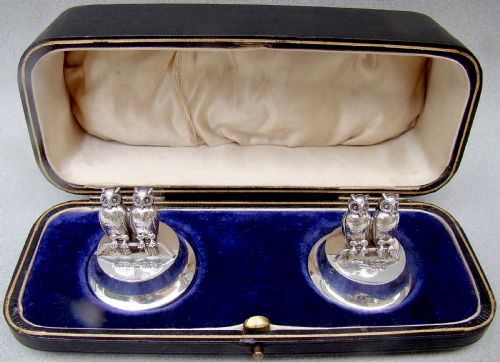
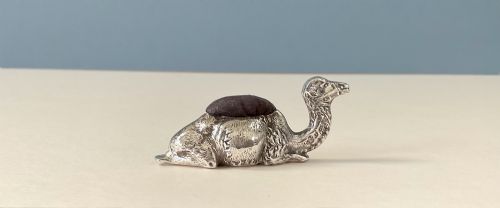
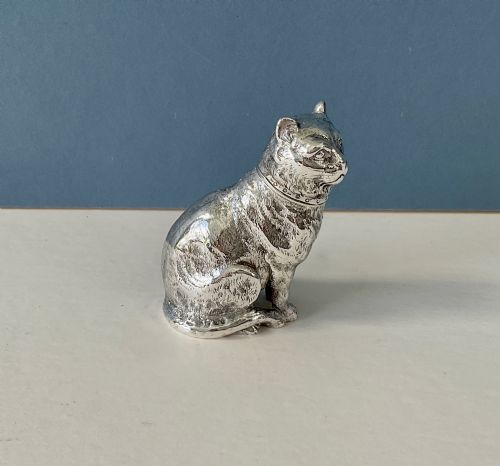
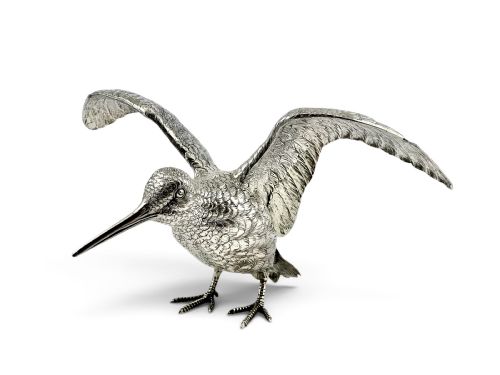
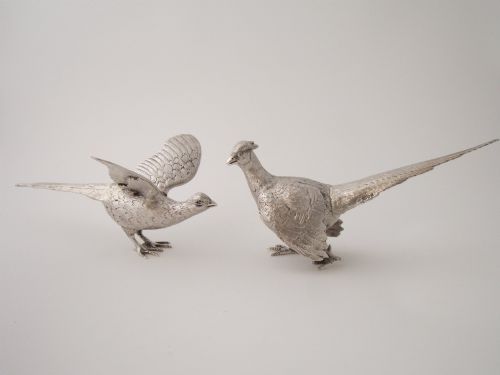
A vintage silver figurine search brings up desk ornaments, small animal models and sculptural figures spanning the Victorian period to the mid-twentieth century. The selection includes sterling silver birds, novelty pin cushions shaped like camels or frogs, and dancers cast in bronze or silvered metal.
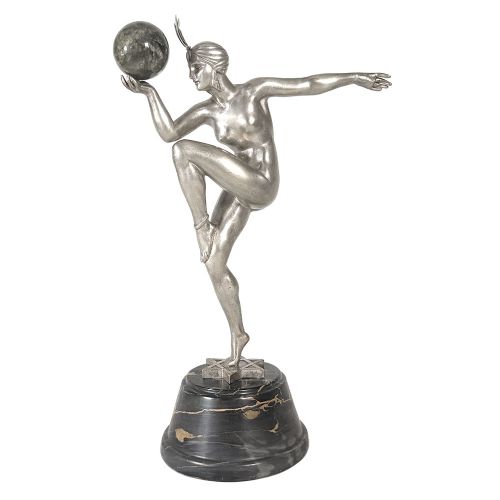
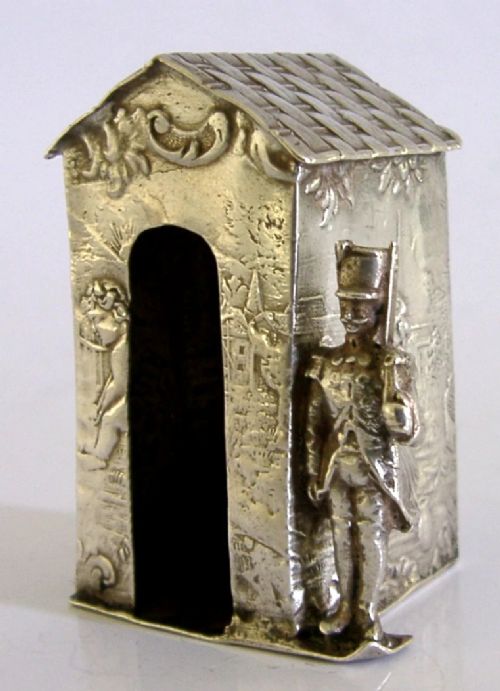
Makers and workshops across Britain, France, Germany and Spain produced these figures as table ornaments, menu holders and desk accessories. Pieces range from tiny miniature soldiers and animals to larger Art Deco dancers mounted on marble bases.
Function meets ornament in items designed to serve as pin cushions, pepper pots, pill boxes and pen wipes alongside purely decorative sculptures. The materials extend beyond solid silver to include silver-plated metal, bronze, aluminium and glass.
How they were made
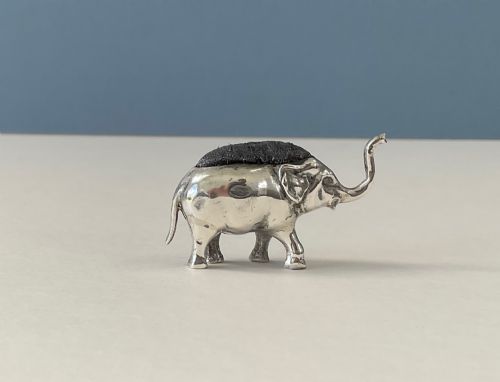
Specialised forms like pin cushions integrate textile pads into silver animal bodies shaped as ducks, pigs, elephants or shoes. Articulated fish and articulated novelty figures rely on segmented metal construction that allows movement in the tail or limbs.
Vintage Silver Figurine Retail Price Guide 2026
Typical asking prices for vintage silver figurine among the pieces listed under this phrase on Sellingantiques today, from the lower quarter to the upper quarter. They describe what is for sale here now, not the wider market.
Materials in the collection range from solid sterling silver and silvered bronze to wood, onyx, glass and velvet.
What varies in quality
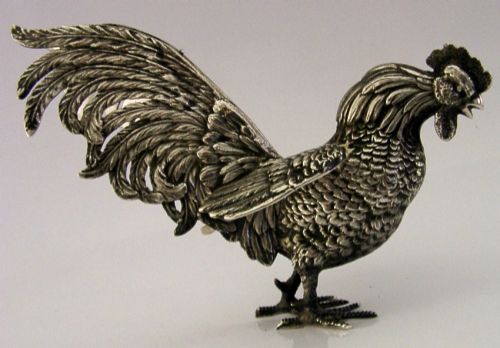
The finesse of the casting and the crispness of the chasing separate standard production pieces from finer sculptural work. Hand-finished details on feathers, facial expressions and cold-painted surfaces show the hand of the maker or foundry.
The integrity of integrated materials, such as undamaged marble bases, intact velvet pin cushions and original patination, defines the preservation state. Maker marks, silver assay stamps and signatures from recognised designers add documentary weight to the object.
Levi and Salaman·D. H. Chiparus·Maurice Giraud-Riviere·Josef Lorenzl·Pierre Le Faguays
The Vintage Silver Figurine Glossary
- Cold-painted bronze
- A manufacturing method where bronze sculptures are painted with polychrome oil paints and left unheated, a technique popular in Austrian foundries during the early twentieth century.
- Pin cushion
- A small domestic object incorporating a padded velvet or textile insert, frequently cast in silver as an animal or novelty shape during the Edwardian period.
- Spelter
- An alloy of zinc and lead used as a cost-effective substitute for bronze, commonly plated with silver, copper or chrome in Art Deco figures.
- Sterling silver
- A silver alloy containing 925 parts per silver and 75 parts other metals by mass, standard for British tableware and decorative items.
Vintage Silver Figurine: Frequently Asked Questions
What are vintage silver figurines made from?
These pieces incorporate sterling silver, silver-plated metal, bronze, silvered bronze, aluminium and cold-painted metals. Bases and supporting elements frequently feature marble, onyx, glass, wood and velvet.
Solid silver versions carry assay marks indicating purity, while sculptural figures often utilise base metal alloys finished with patination or paint.
How were novelty silver figurines used?
Many examples served practical functions on desks, dressing tables and dining rooms as pin cushions, menu holders, pepper pots, pill boxes and pen wipes. Others functioned purely as cabinet ornaments and mantelpiece sculptures.
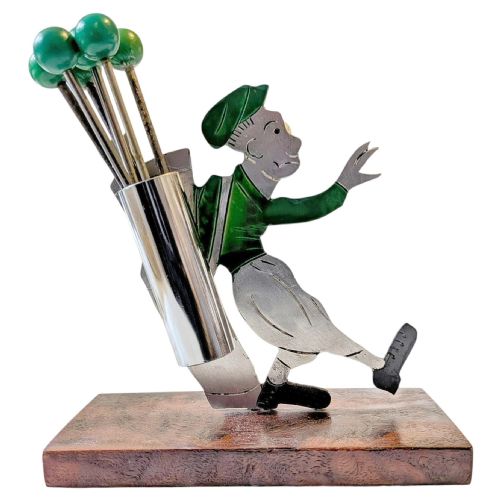
Animal forms and human figures were adapted to hold cocktail sticks, mark page places or dispense condiments alongside decorative display.
How do I identify Art Deco figures?
Art Deco pieces typically display stylised geometric forms, streamlined silhouettes and subjects such as dancers, athletes and animals. They frequently pair silvered or painted bronze with contrasting geometric bases made of marble or onyx.
Signatures from designers like Chiparus or Lorenzl often appear directly on the base or lower portion of the casting.
How should I care for silver figurines?
Keep silver surfaces clean using a soft cloth and minimal polishing to preserve original details, hallmarks and patinated highlights. Avoid harsh chemical dips, particularly on cold-painted bronze or pieces with integrated velvet, wood and marble.
Display items away from direct sunlight and damp environments to protect delicate textiles, painted surfaces and stone bases.