


Vintage Silver Decorative Box
A vintage silver decorative box brings functional elegance to a desk or dressing table through tactile metalwork and intricate detailing.
Vintage Silver Decorative Box
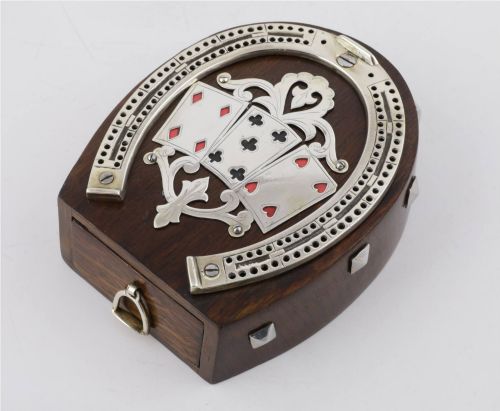
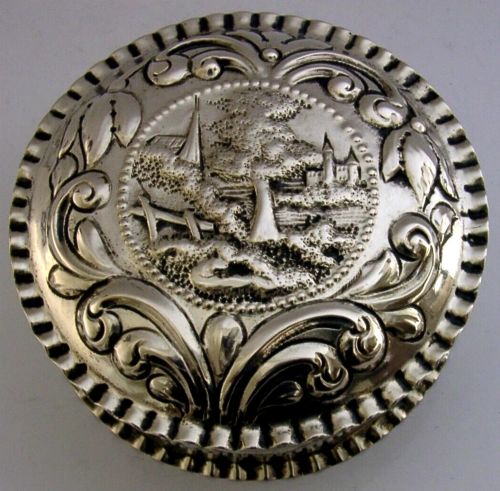
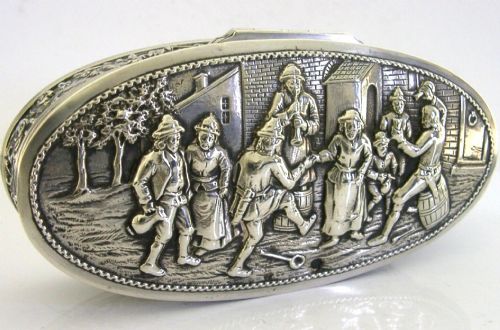
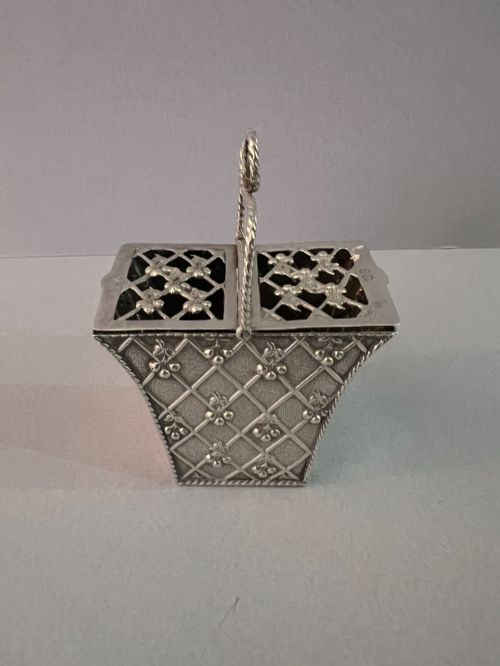
When searching for a vintage silver decorative box, you are looking at small caskets, tea caddies, desk containers, and trinket vessels fashioned from solid silver, silver plate, and mixed media. These pieces serve as repositories for keepsakes, cards, or tobacco while offering distinct sculptural presence.
The selections span the nineteenth century through the mid-twentieth century, encompassing Victorian productions alongside continental European and Indian colonial craftsmanship. You will frequently encounter items featuring hinged lids, velvet linings, or compartments designed for specific domestic uses.
Materials and construction methods
Construction relies heavily on solid sterling silver, 800 or 950 grade silver, and base metals coated in silver plate. Artisans employed casting, hammering, and repoussé techniques to shape the metal bodies, often incorporating wooden carcasses, ceramic stoneware bodies, or foundational burr maple and satinwood structures.
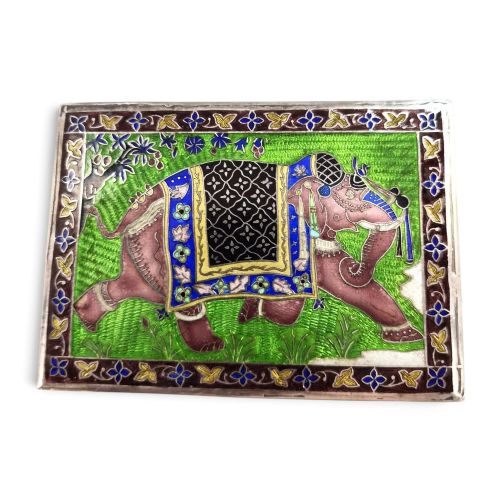
Surface ornamentation integrates vividly with the metal framework through the application of vitreous enamel, gilding, and fine hand-chasing. These methods combine structural rigidity with decorative miniature artistry characteristic of specific regional workshops.
Listings feature items spanning the nineteenth century through the mid-twentieth century, incorporating materials like enamel, wood, stoneware, and silver plate.
Determining quality and execution
Quality rests upon the crispness of the chasing and the structural integrity of hinges, latches, and foot mounts. Superior pieces display substantial weight and precise alignment between lid and base, avoiding looseness in the closure.
The integration of secondary materials such as enamel work, wood veneers, or internal gilding dictates the upper tier of execution. Finer examples maintain unbroken enamel surfaces and securely seated panels without structural compromise.
Gucci
The Vintage Silver Decorative Box Glossary
- Repoussé
- A metalworking technique where the artisan hammers the metal from the reverse side to form a raised design on the front. This method creates tactile, three-dimensional surface relief.
- Tea caddy
- A small container originally built to store loose tea leaves securely. These vessels often feature fitted inner lids and lockable mechanisms.
- Pandan
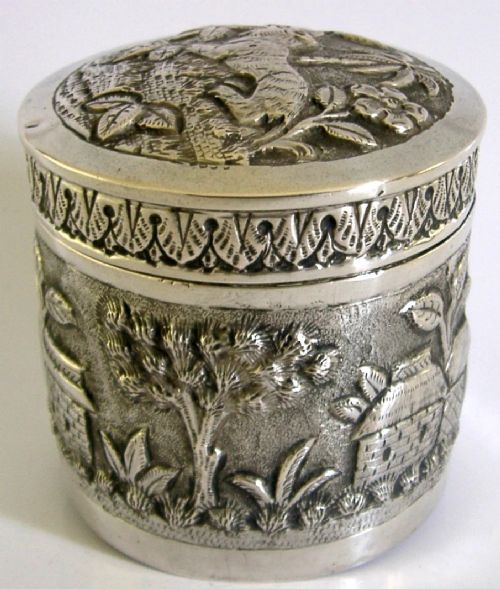
- A traditional box originating from South Asia utilised for holding betel nut leaves or spices. They frequently exhibit elaborate chased floral and animal motifs.
- Silver gilt
- Silver objects that have been coated with a thin layer of gold on their interior or exterior surfaces. This technique protects the underlying metal from tarnishing and adds warmth.
- Biscuit barrel
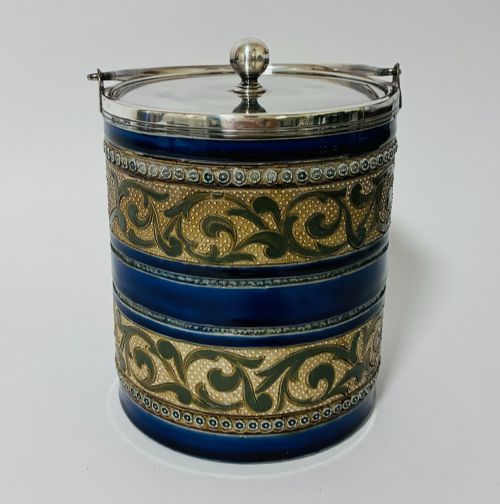
- A lidded ceramic or glass jar encased in silver plated or solid silver mounts. Victorians used these containers to keep dry baked goods fresh at the tea table.
Vintage Silver Decorative Box: Frequently Asked Questions
What were vintage silver decorative boxes used for?
These boxes held valuable domestic items including visiting cards, loose tobacco, sugar, tea, or personal trinkets. Their enclosed spaces protected delicate contents from humidity and prying eyes.
Over generations, their function shifted from utilitarian household storage to display objects that added texture and historical depth to interior spaces.
How do I date a silver decorative box?
Dating relies on identifying stamped hallmarks, maker's marks, and national assay office symbols found on the metal body. Stylistic indicators like Victorian chased flora or mid-century modern lines also provide chronological context.
Construction traits, such as handmade hinge pins versus modern machine screws, help narrow the production era when marks are absent or worn.
Can I use these boxes for daily storage?
Solid silver and plated boxes remain robust enough for daily use on a desk or dressing table. Gentle handling of hinges and regular soft dusting preserves their condition.
Avoid storing corrosive items directly against unprotected silver linings to prevent pitting and tarnishing over time.
How do continental silver standards differ?
Continental European pieces often utilise purity standards distinct from British sterling, such as 800 or 950 parts per thousand. These numerical grades are stamped directly into the metal alongside regional tax and maker marks.
French pieces frequently employ the Minerva head punch, while Italian works feature maker identification codes assigned by local chambers of commerce.