




Vintage Silver Cream Jug
These vintage silver cream jug pieces are small pouring vessels in solid silver or plate, prized for adding grace to the table.
Vintage Silver Cream Jug
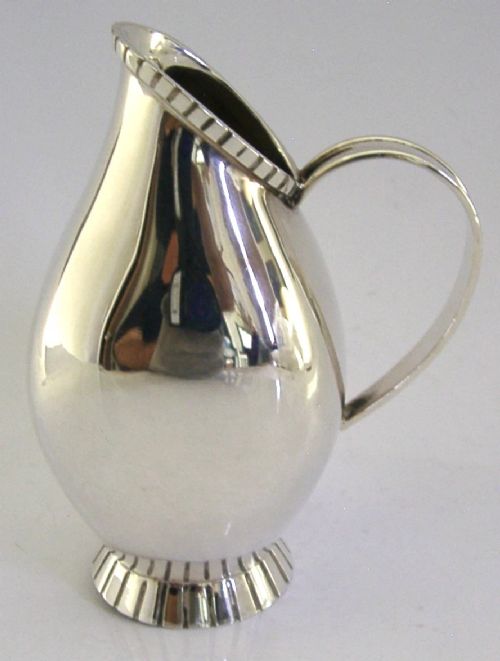
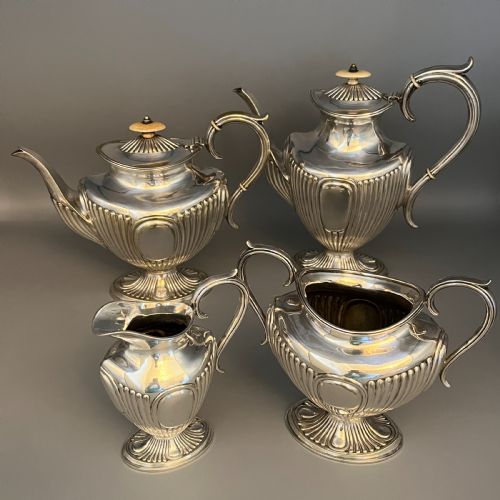
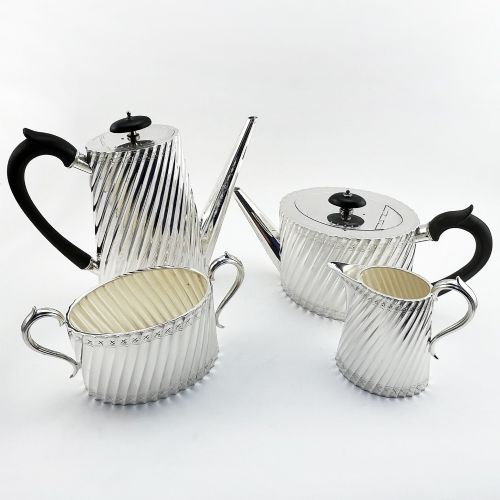
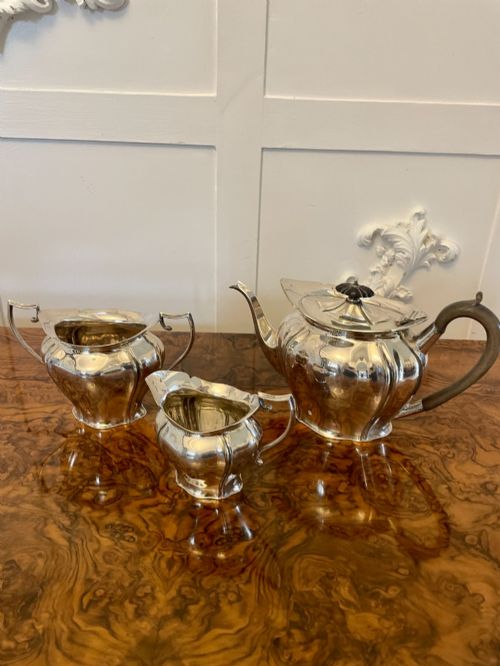
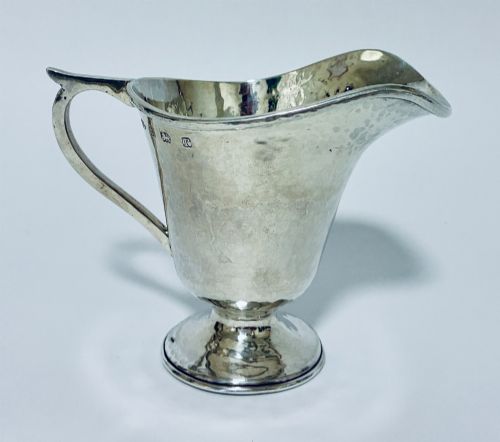
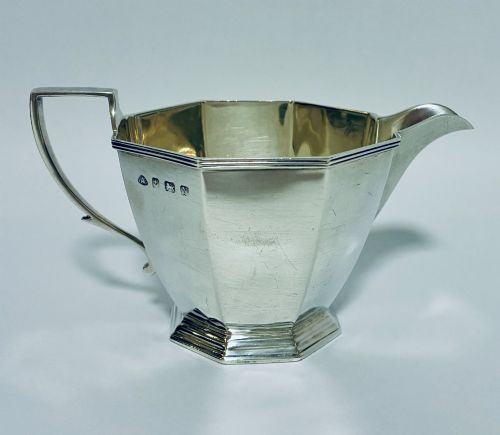
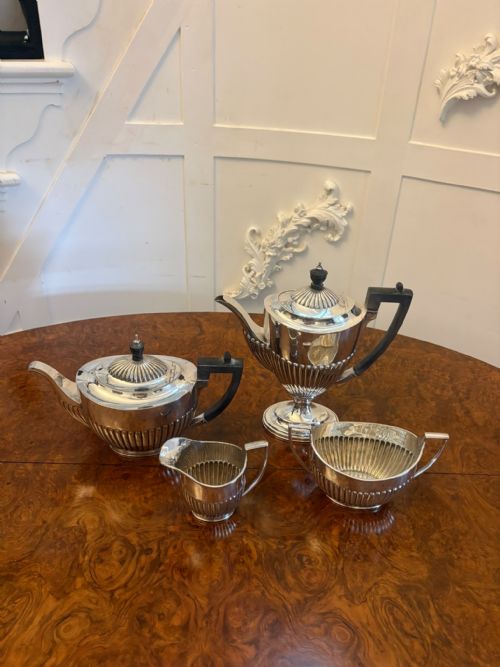
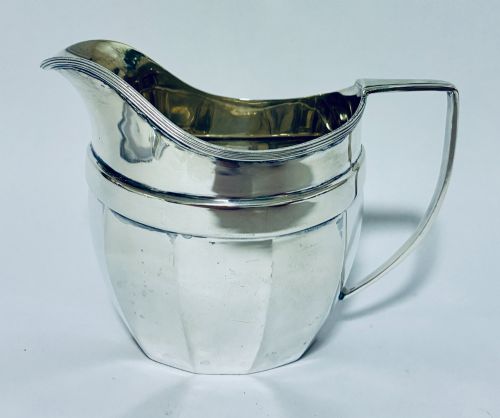
A vintage silver cream jug is a compact vessel designed for serving milk or cream at tea, appearing in forms ranging from standalone creamers to components of larger tea and coffee sets. When you search for this phrase, you encounter items stretching from the Georgian period and the Victorian era through the Edwardian years and into the Art Deco style of the twentieth century.
The selection here encompasses sterling silver, silver plate, and Sheffield plate, sometimes accompanied by ebonised wood handles or gold gilt interiors. You find simple domestic milk jugs alongside neoclassical designs and Arts and Crafts creations, reflecting the shifting domestic habits across generations.
Materials and construction methods
Many pieces utilise solid sterling silver or heavier electroplated nickel silver, providing a sturdy foundation for daily use and polished presentation. Metalsmiths shaped these vessels through forming and soldering, often applying decorative handles or borders of wood and copper.
Surface finish is achieved through polishing the metal or applying gold gilt to the interior surfaces of the jug. Handles made of ebonised wood appear on select examples to insulate against heat during service.
Vintage Silver Cream Jug Retail Price Guide 2026
Typical asking prices for vintage silver cream jug among the pieces listed under this phrase on Sellingantiques today, from the lower quarter to the upper quarter. They describe what is for sale here now, not the wider market.
Distinctions in standard and execution
Quality rests in the weight of the metal and the crispness of the form, distinguishing substantial solid sterling pieces from lighter plated alternatives. Finer examples display balanced proportions, secure handle attachments, and clean lines free from distortion.
The execution of decorative elements, such as engraved borders or cast feet, marks the difference between standard production items and pieces produced by accomplished makers.
George Unite·Robert Pringle & Sons·Walker & Hall·Mappin & Webb
The Vintage Silver Cream Jug Glossary
- Sterling silver
- A silver alloy containing 92.5 percent pure silver by mass and 7.5 percent other metals, usually copper. This standard ensures durability while maintaining a bright metallic appearance.
- Silver plate
- A layer of silver applied to a base metal, such as copper or nickel silver. This technique offered an accessible alternative to solid silver for domestic tea wares.
- Sheffield plate
- An early method of fusing a thin sheet of sterling silver to a thicker copper core by heat and pressure. It is recognised by the distinct colour of copper showing through worn highlights.
- Gold gilt
- A thin layer of gold applied to the interior surface of the silver jug. This treatment protects the metal from the acidic content of dairy.
Vintage Silver Cream Jug: Frequently Asked Questions
How do I clean a silver cream jug?
Use a specialised silver polish and a soft cloth to remove tarnish without scratching the metal surface. Avoid harsh abrasives that can damage delicate engraving or wear down thin plating.
Rinse the jug thoroughly in warm water and dry it immediately with a lint-free cloth to prevent water spots and maintain its shine.
Can I use these jugs for serving daily?
These vessels are durable enough for regular table service, whether handling milk, cream, or other liquids during meals. Solid sterling and robust plated items withstand everyday handling when treated with reasonable care.
Hand washing is recommended over mechanical dishwashers to protect older finishes, wood components, and soldered joints from thermal shock.
How do I date a silver jug?
Examine the piece for hallmarks, which typically include stamps for the assay office, the maker's mark, and a date letter indicating the year of production. Stylistic clues such as neoclassical shapes or Art Deco geometries also point toward specific decades.
Comparing the weight, handle construction, and manufacturing technique provides additional context for determining the era of origin.
What is the difference between a milk jug and a cream jug?
The terms are often used interchangeably in listings, though milk jugs historically tended to be slightly larger for breakfast service. Cream jugs were traditionally smaller, designed to hold rich cream for afternoon tea.
Both serve the identical function of pouring dairy liquids and share the same decorative and structural forms across various periods.