


Vintage Silver Chandelier
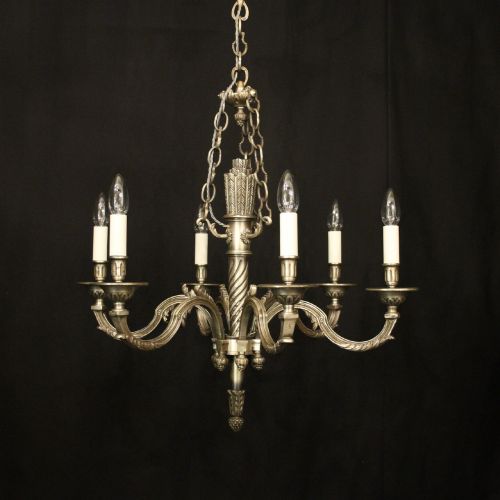
A vintage silver chandelier brings crisp reflection and layered illumination to a room, drawing the eye upward with its metallic sheen.
Vintage Silver Chandelier
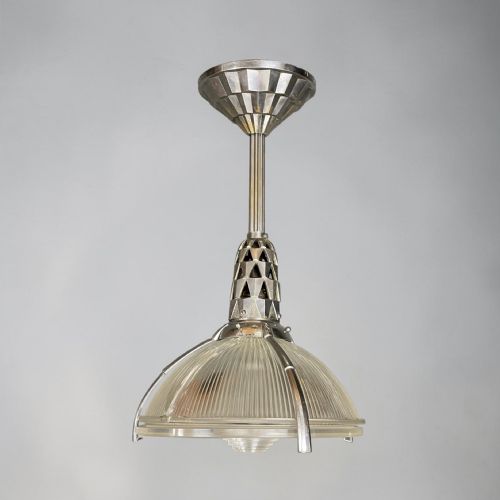
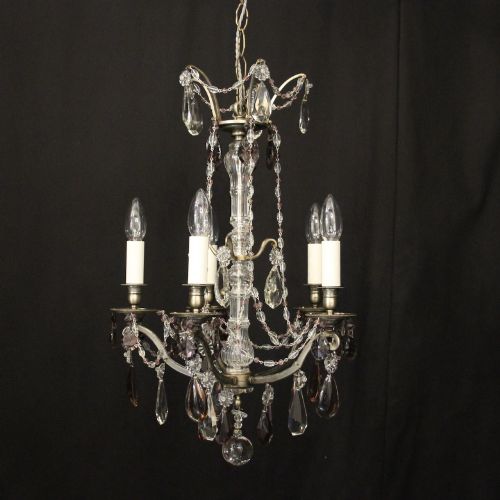
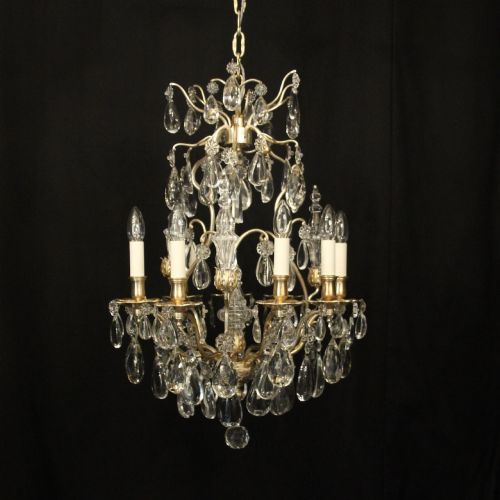
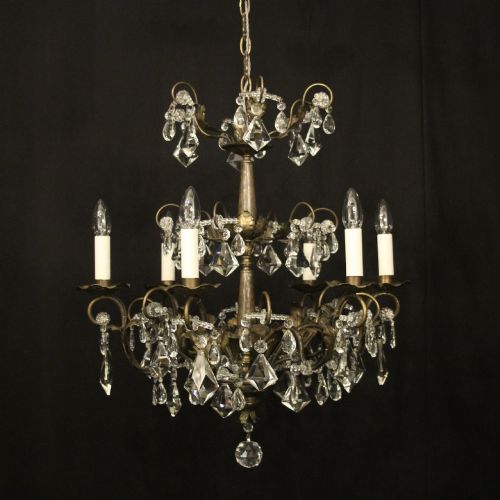
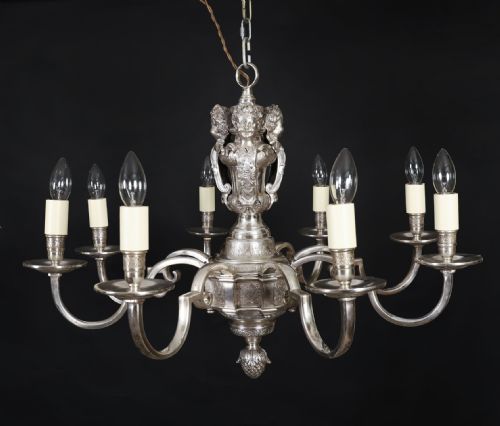
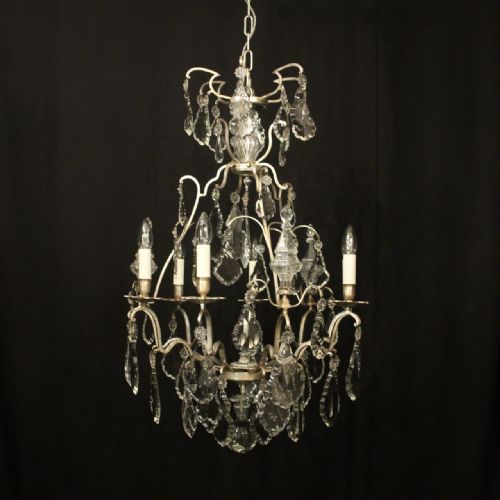
When searching for a vintage silver chandelier, a buyer encounters pieces spanning the nineteenth century through the mid twentieth century, with strong representation from the 1920s and 1930s. These lighting fixtures take the form of multi-arm chandeliers, hanging lanterns, and pendant lights originating from English, French, Italian, and Russian workshops. The selection frequently includes silver plated, silver gilded bronze, and nickel plated frames paired with glass and crystal elements.
French and Italian designs dominate the offerings, often incorporating elaborate frames styled in French Rococo, French Neoclassical, and Italian Neo-Classical traditions. Alongside these, geometric Art Deco pieces and Edwardian English fixtures provide cleaner lines and simpler profiles. Buyers will also find related hanging ceiling lights and smaller table chandeliers sharing the same metallic finishes.
Materials and Construction
Makers constructed these fixtures using robust structural metals such as bronze, brass, steel, and iron, which were then finished with silver plating, silver gilt, or nickel. This metallic foundation supported intricate glass and crystal components, including cut glass drops, beads, and central bowls that refracted the light from multiple candle or electric arms.
Techniques varied from cast bronze frames finished in silver leaf to plated base metals soldered and wired for suspension. Glass elements were hand-cut or mould-blown, then hung from the metal armature using wire loops or pinned attachments designed to catch and scatter illumination.
Listings feature lighting from the 1850s, Victorian, Edwardian, and Art Deco periods, utilising silver plate, cut glass, and silvered bronze.
Distinctions in Quality
Quality rests in the weight and substance of the metalwork, the depth of the silver gilding or plating, and the clarity of the crystal components. Finer examples display crisply cast bronze or brass frames with substantial arms and securely seated glass drops, whereas simpler pieces rely on lighter plated base metals.
The sophistication of the design execution separates standard production from exceptional work. Pieces featuring hand-chased ornamentation on silvered bronze or elaborate cut glass crystal arrays demonstrate superior craftsmanship compared to mass-produced domestic fixtures of the period.
Émile-Jacques Ruhlmann·Wedgwood
The Vintage Silver Chandelier Glossary
- Silver plate
- A thin layer of silver fused or electroplated onto a base metal such as brass, copper, or nickel. This technique provided the appearance of solid silver at a lower production cost.
- Silver gilded bronze
- Bronze metal that has been coated with silver leaf or liquid silver, combining the structural strength of bronze with a bright metallic surface finish.
- Cut glass
- Glass that has been shaped and faceted on a wheel to create sharp geometric patterns. These facets increase light refraction within a lighting fixture.
- Crystal
- High-clarity glass containing lead oxide, which increases its weight, refractive index, and sparkle. It forms the cascading drops and pendants seen on many chandeliers.
- Pendant light
- A single light fixture suspended from the ceiling by a cord, chain, or metal rod rather than branching into multiple arms.
Vintage Silver Chandelier: Frequently Asked Questions
How do I clean a silver chandelier?
Dust the frame and crystal components regularly with a soft feather duster or microfiber cloth to prevent buildup. For deeper cleaning, apply a mild soap solution to glass elements while avoiding harsh polishes on silver-plated or gilded surfaces.
Take care to protect the surrounding wiring and ceiling mount from excess moisture during maintenance. Professional cleaning is recommended for antique fixtures with delicate crystal arrangements.
Were these chandeliers originally wired for electricity?
Many examples from the nineteenth century and earlier decades were originally designed for candles or gas before being converted to electricity later in their lifespan. Edwardian and later twentieth-century pieces often incorporated electrical wiring during their initial manufacture.
Buyers should examine the internal wiring of any vintage fixture to confirm its current safety status. Rewiring is common for older pieces to meet modern domestic standards.
How do I determine the period of a chandelier?
Dating relies on stylistic markers, construction techniques, and materials characteristic of specific eras like the Edwardian period or the 1920s Art Deco movement. Examining the mounting hardware, screw types, and chain links also provides clues to the manufacturing age.
Consulting historical design motifs helps differentiate nineteenth-century castings from mid-century reproductions. Makers' marks or stamps, when present, offer definitive chronological proof.
Can I hang a heavy antique chandelier safely?
Hanging a heavy fixture requires securing the ceiling box directly to structural timber or utilising a heavy-duty joist hanger capable of supporting the total weight. Antiques made of solid bronze or layered crystal demand robust load-bearing support.
Consulting a qualified electrician ensures the ceiling junction box and wiring can handle the physical load and electrical draw. Proper installation prevents structural damage and ensures safe operation.