



Brass and Silver Light
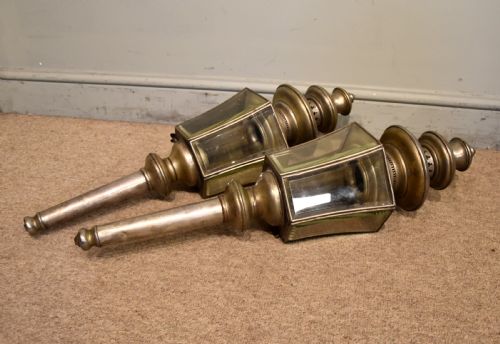
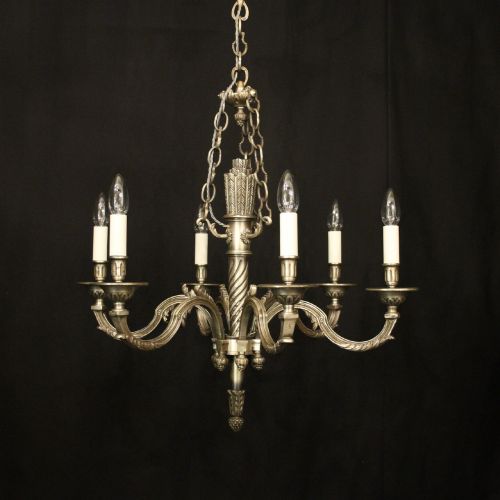
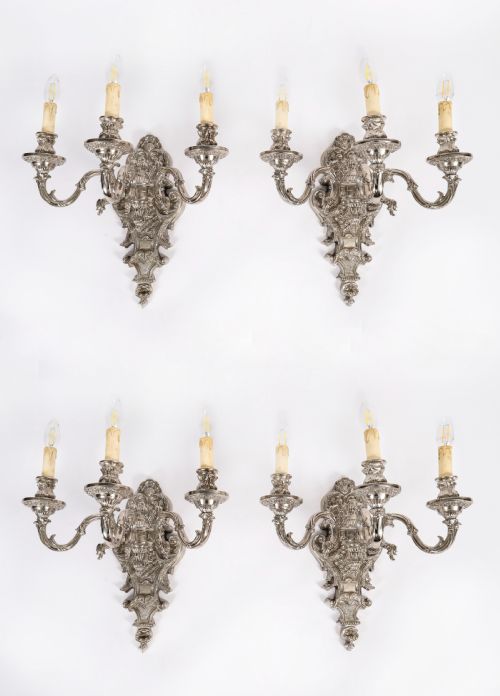
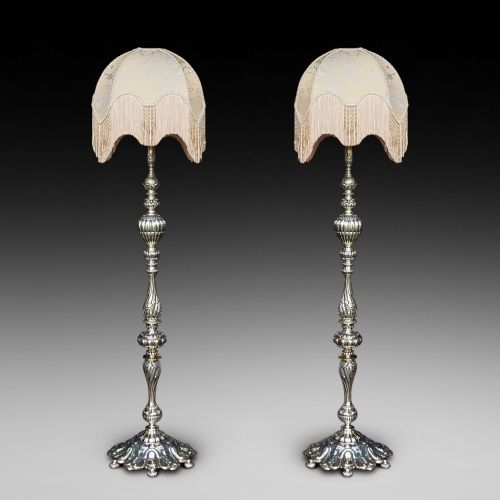
Brass and silver light brings together fixtures from the eighteenth, nineteenth, and early twentieth centuries in polished metals and glass.
Brass and Silver Light
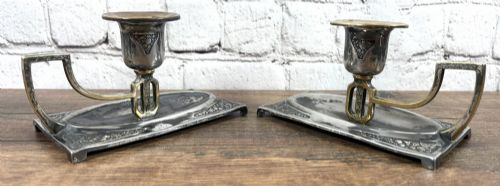
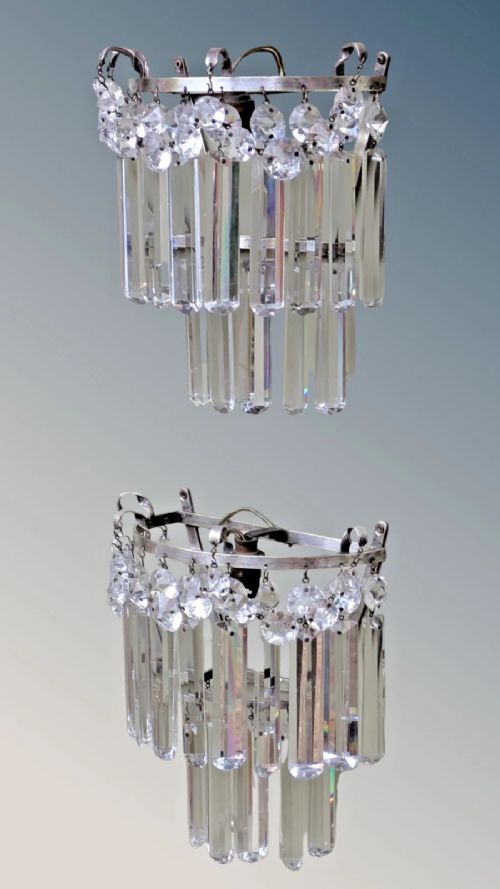
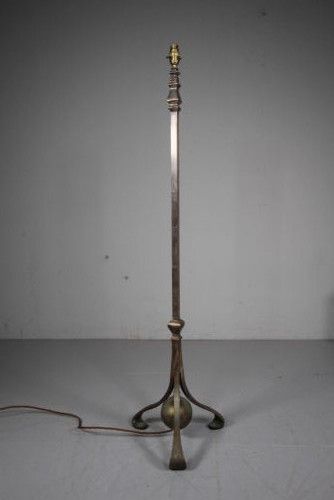
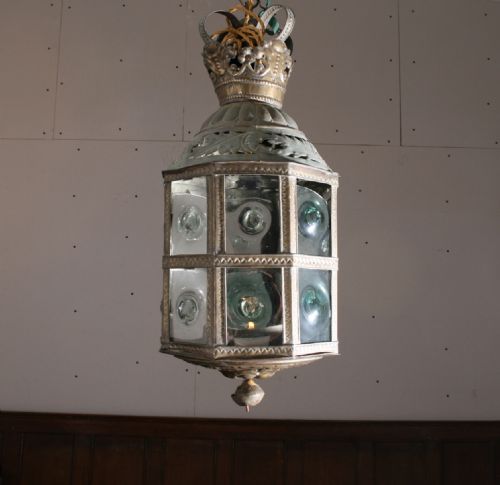
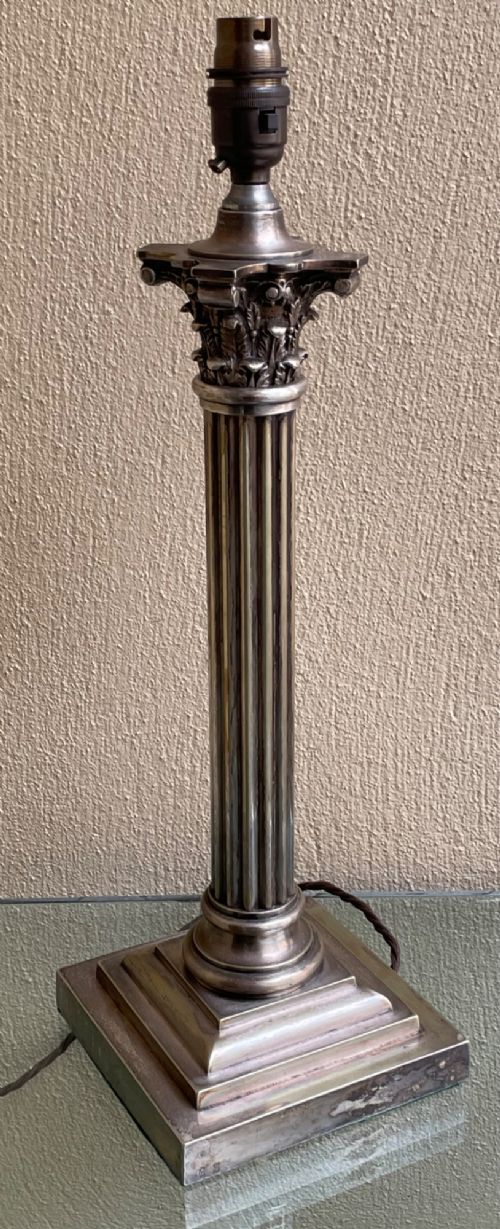
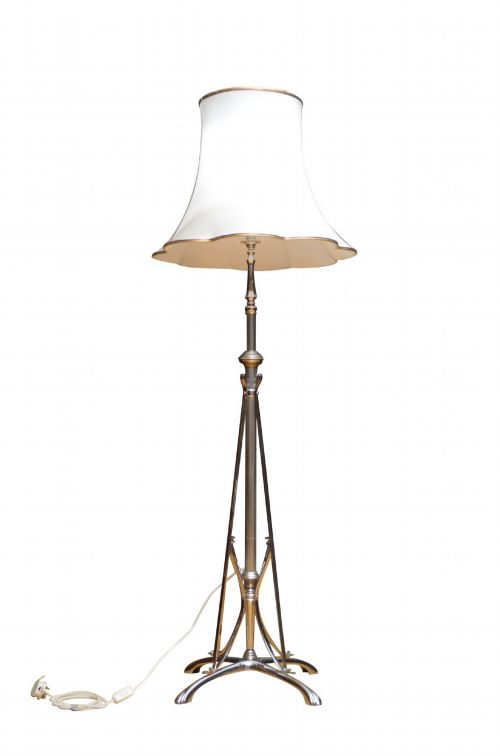
Brass and silver light encompasses chandeliers, wall lights, table lamps, floor lamps, pendants, lanterns, and candlesticks spanning several centuries. Buyers searching this phrase look for functional lighting that combines the warmth of brass with the reflective brightness of silver plate, nickel, and glass.
The selections on this page draw from periods including the Georgian, Victorian, Edwardian, and 1930s eras, alongside French neoclassical and rococo styles. Continental chandeliers and English floor lamps appear alongside utilitarian ship lamps and domestic oil lamps converted for modern use.
Varying forms range from multi-arm chandeliers and standard lamps to adjustable reading lights and chamber candlesticks. Each piece demonstrates how period makers merged base metals with silver plating or gilding to alter the way illumination filled a room.
How they were made
Constructed primarily from brass, bell metal, paktong, and steel, these fixtures rely on heavy cast or spun metal foundations. Many items receive a secondary layer of silver plating, silver gilding, or nickel plating to provide a bright reflective surface over the underlying base metal.
Glass elements incorporate hand-blown bull's-eye glass, cut crystal, satin glass, and mercury mirrored panels integrated into lanterns, shades, and pendants. Complex castings, scroll arms, and intricate metalwork demonstrate period foundry techniques used to join metal and glass securely.
Even ships needed to read poetry by night, courtesy of gimber-swung reading lamps.
What varies in quality
Quality separates objects by the crispness of their cast ornament and the integrity of their original plating. Finer examples retain heavier gauge metalwork, precise hand-chasing on floral or classical motifs, and robust structural joinery.
Subtle differences appear in the clarity of the glass, the weight of the base components, and the survival of the original silver gilding or silver plate without excessive wear through to the brass beneath.
Veritas Lamp Works
The Brass and Silver Light Glossary
- Silver plate
- A thin layer of silver fused or electroplated onto a base metal such as copper or brass. This technique offered the visual appeal of solid silver at a lower production cost.
- Paktong
- A copper-nickel-zinc alloy originating in China and imported to Europe during the eighteenth century. It mimics the appearance of silver and was frequently utilised for fine candlesticks.
- Gimbal
- A pivoted ring mounting that allows a lamp or lantern to remain level regardless of the motion of a ship. It is commonly found on maritime lighting from the nineteenth and early twentieth centuries.
- Peg oil lamp
- A small oil reservoir fitted with a burner and designed to drop into the socket of a candlestick or standard lamp. They became popular during the Victorian period.
- Old Sheffield plate
- An early method of fusing a sheet of silver to a copper ingot before rolling them together into sheets. This process produced durable domestic items prior to the invention of electroplating.
Brass and Silver Light: Frequently Asked Questions
What periods do these lights come from?
The inventory spans the eighteenth century through to the 1930s, including Georgian, Victorian, Edwardian, and Art Deco eras.
French styles from the nineteenth and early twentieth centuries appear frequently alongside English designs.
Are these lamps wired for modern use?
Many table lamps, floor lamps, and chandeliers have been rewired or adapted for contemporary electrical standards.
Original oil lamps and candle holders retain their traditional configuration unless specified otherwise in the listing description.
What is the difference between brass and silvered brass?
Solid brass fixtures display the natural golden alloy throughout the body of the metalwork.
Silvered brass items have had a silver finish applied to the surface, creating a brighter, reflective appearance.
How do I identify a ship's gimbal lamp?
Ship lamps feature a brass ring suspension system that keeps the burner upright during vessel movement.
These utilitarian pieces often include heavy nickel plating to resist maritime corrosion.