


Vintage Silk Wall Hanging
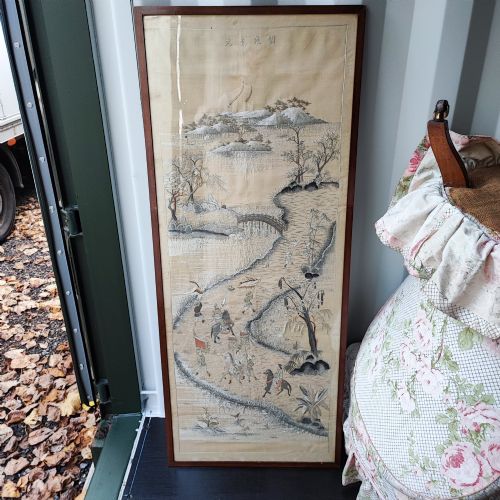
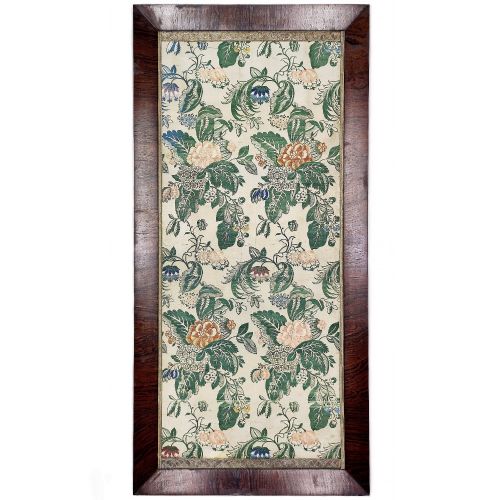
When choosing a vintage silk wall hanging, you encounter embroidered textiles, tribal panels and framed works spanning from the nineteenth century to the mid-twentieth century.
Vintage Silk Wall Hanging
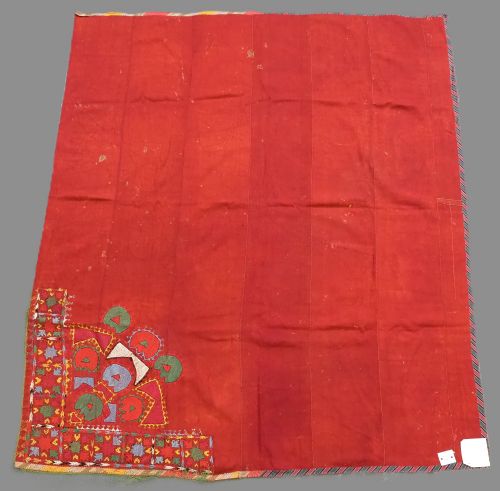
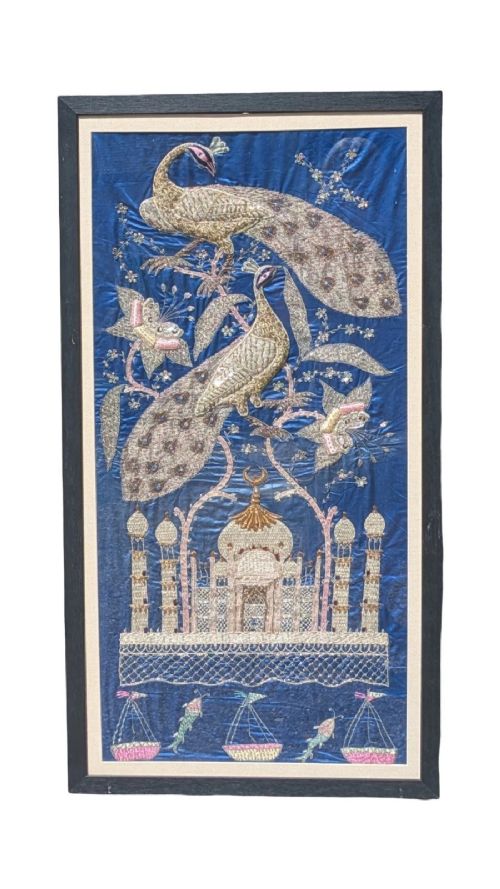
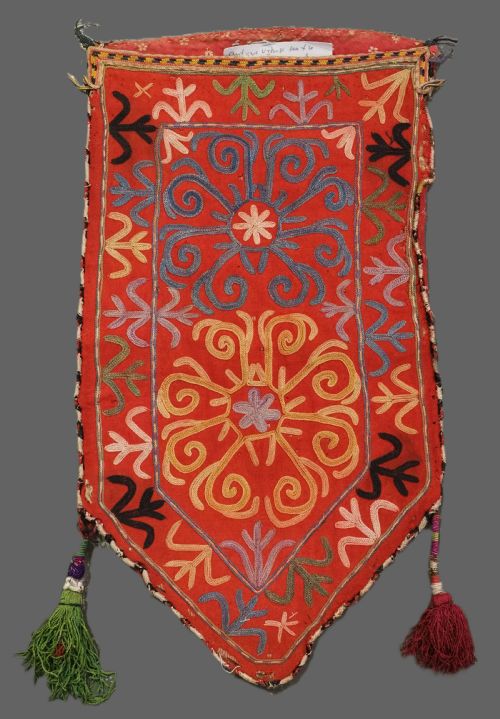
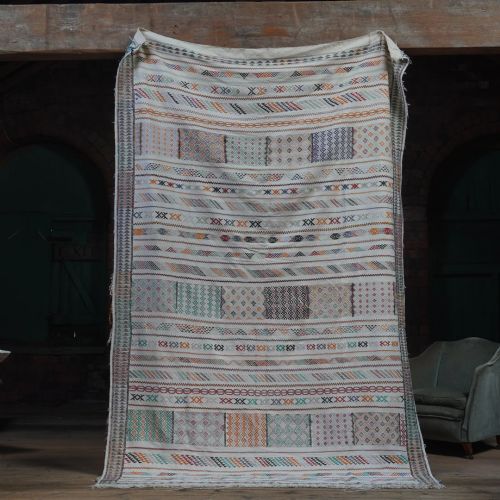
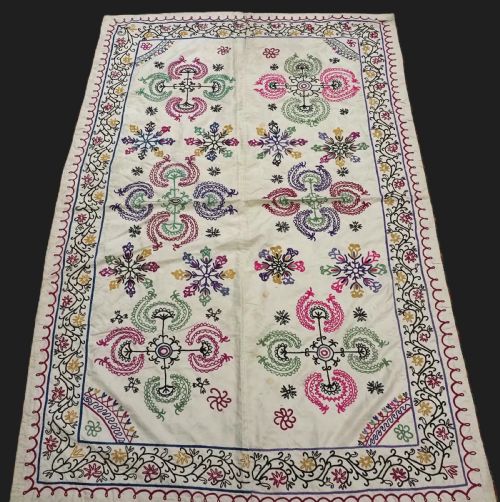
A vintage silk wall hanging encompasses textile panels, dowry embroideries, and framed pictures originating predominantly from Central Asia, India, and Persia.
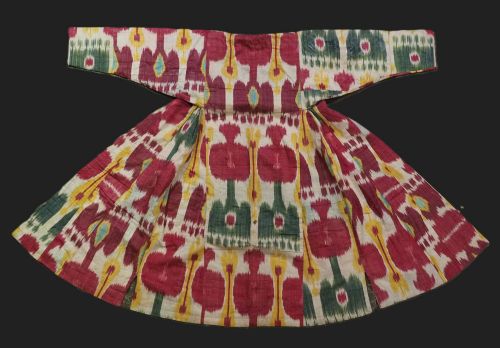
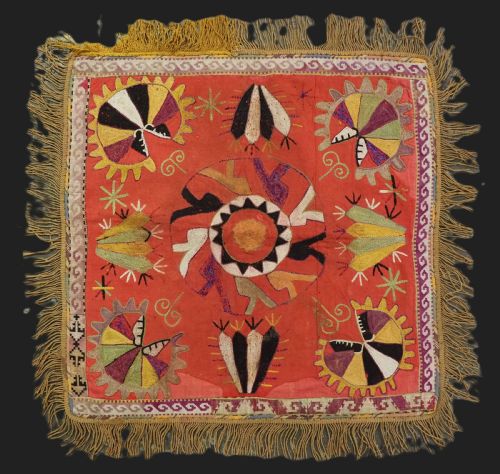
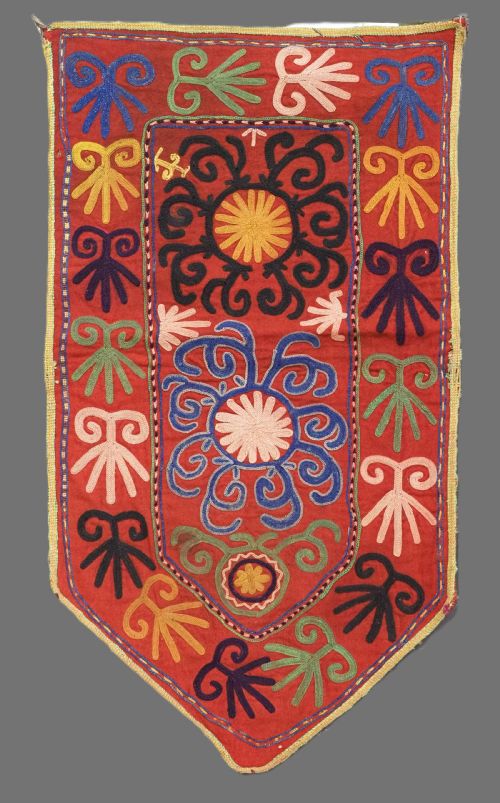
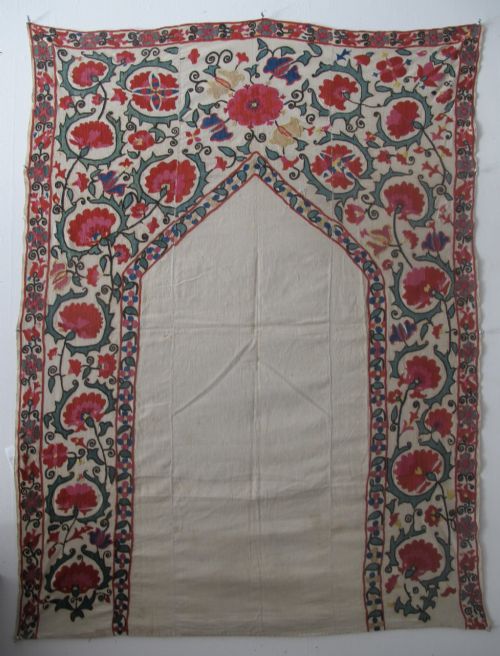
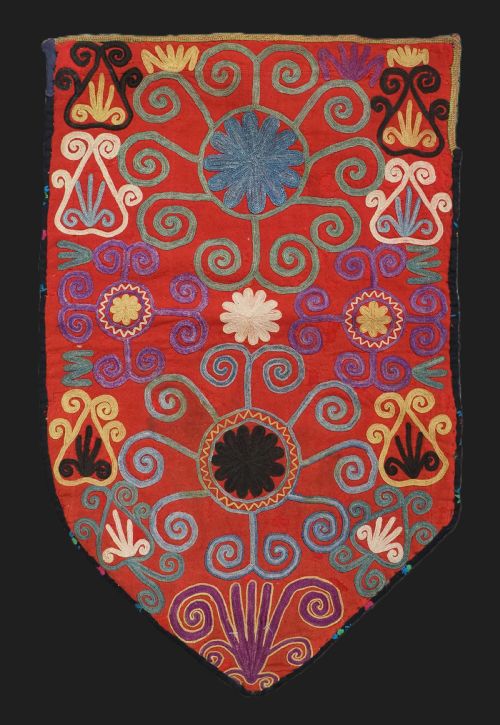
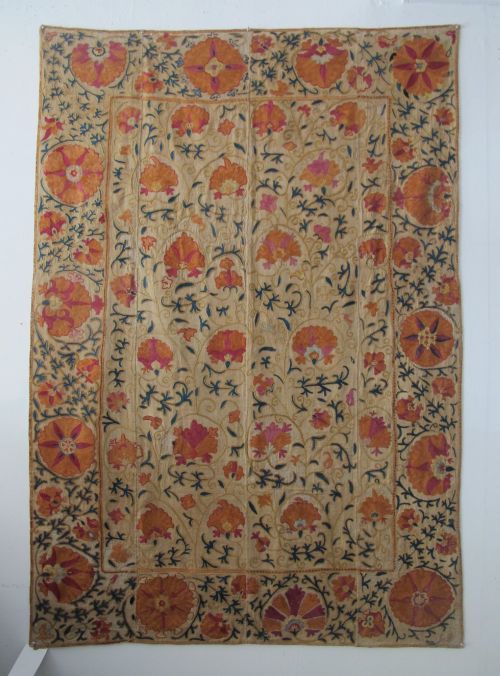
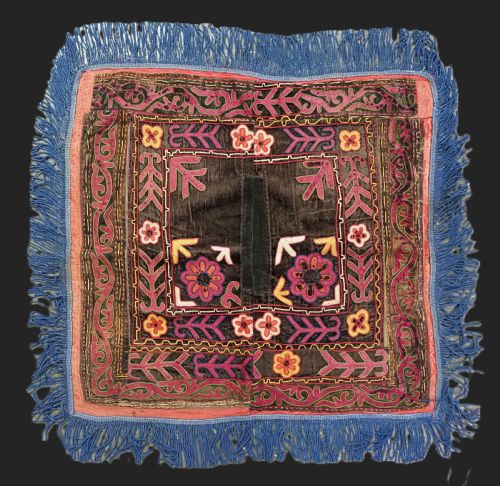
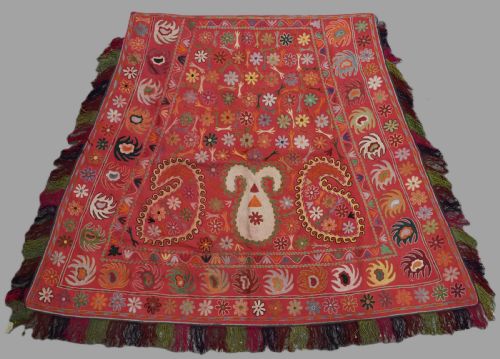
Buyers frequently encounter pieces such as Uzbek suzanis, Lakai tribe ilgiches, and ikat fabric panels created during the late nineteenth and early twentieth centuries.
The selection ranges from ceremonial horse covers and yurt wall hangings to framed oriental pictures and embroidered shawls produced across various global traditions.
How They Were Made
Maker techniques rely heavily on silk embroidery threads applied to grounds of silk, cotton, wool, velvet, or felt, sometimes utilising metallic thread for added detail.
Certain panels incorporate applique work or involve semi-silk adras fabrics, while other items are quilted and padded, or glazed and framed behind wood and glass.
Vintage Silk Wall Hanging Retail Price Guide 2026
Typical asking prices for vintage silk wall hanging among the pieces listed under this phrase on Sellingantiques today, from the lower quarter to the upper quarter. They describe what is for sale here now, not the wider market.
Listings feature textiles spanning from the nineteenth century through to the 1960s, utilising silk, cotton, wool, velvet, and felt.
What Varies In Quality
The execution of the embroidery design and the complexity of the motifs determine the visual strength of each textile panel.
The preservation of the ground materials, whether silk, velvet, or felt, influences the overall integrity of the piece.
The clarity of traditional patterns, such as architectural suzani layouts or tribal geometric forms, distinguishes individual examples.
The Vintage Silk Wall Hanging Glossary
- Suzani
- An embroidered tribal textile originating from Tajikistan, Uzbekistan, or other parts of Central Asia, traditionally worked with silk thread on a cotton or silk ground.
- Ikat
- A dyeing technique used to pattern textiles before weaving, producing characteristic feathered edges along the motifs found in Central Asian panels.
- Ilgich
- A decorative hanging or dowry embroidery produced by the Lakai tribe in Central Asia.
- Adras
- A traditional woven fabric made from a mixture of silk and cotton yarns in regions such as Bukhara.
- Applique
- A needlework technique where pieces of fabric, such as felt or silk, are sewn onto a larger background ground to form patterns.
Vintage Silk Wall Hanging: Frequently Asked Questions
How are these wall hangings displayed safely?
Textiles can be mounted on padded boards or framed behind glass to protect fragile fibres from dust and handling.
Larger suzanis and panels often use discreet fabric sleeves sewn to the reverse to accommodate a hanging rod.
What is a suzani?
A suzani is a large embroidered textile created in Central Asia as part of a bride's dowry.
These pieces typically feature bold floral or architectural motifs stitched by hand in vibrant silk threads.
Are these textiles antique or vintage?
The pieces span multiple decades and centuries, with many originating from the nineteenth and early twentieth centuries.
Materials, construction methods, and regional styles help determine the approximate age of each item.