







Vintage Silhouette Frame
These vintage silhouette frame pieces offer striking profile portraits set within traditional surrounds, bringing historic character straight to your walls.
Vintage Silhouette Frame
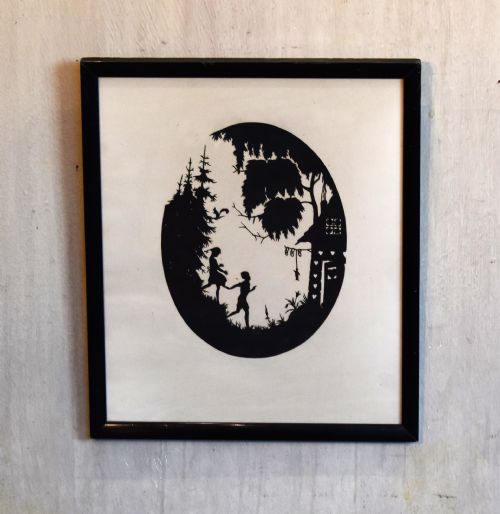
A vintage silhouette frame houses a profile portrait, most frequently encountered in the nineteenth-century styles recorded across these listings. These pieces span periods from the Georgian era through to Art Nouveau and the twentieth century, capturing subjects ranging from individual gentlemen and young girls to family groups and jockeys.
While the search term points directly to portrait miniatures and framed silhouette artwork, the selection also includes broader wall art formats and related mirrors. Paper, ink, and watercolour form the core media for the portraits themselves, housed within protective surrounds designed to display the profile sharply.
The physical housings vary considerably, encompassing simple rosewood surrounds and elaborate giltwood or gilt wood frames. Buyers will also find cut-paper techniques alongside painted details, reflecting the diverse methods historical artists employed to render these profiles.
Materials and Construction
Makers utilised wood, glass, and paper as the foundational elements for these framed works. Paper provides the base for cut or painted profiles, whilst glass protects the delicate medium from dust and environmental damage.
Enclosing surrounds often feature wood treated with gold leaf, giltwood, or polished rosewood. These materials provide structural rigidity and a dark contrast that makes the light paper profile stand out clearly.
Vintage Silhouette Frame Retail Price Guide 2026
Typical asking prices for vintage silhouette frame among the pieces listed under this phrase on Sellingantiques today, from the lower quarter to the upper quarter. They describe what is for sale here now, not the wider market.
Object types include silhouette portraits, portrait miniatures, wall art, prints, and framed artwork.
Assessing Quality and Execution
The fineness of the cutting or brushwork dictates the visual success of the profile within the surround. Sharply defined paper edges or delicate ink washes indicate skilled execution by the original hand.
The craftsmanship of the housing itself differentiates standard examples from superior pieces. Gilt wood, gold leaf application, and richly grained rosewood frames display a higher level of artisan investment than plain wooden surrounds.
Bateman·Augustin Edouart·Alfred Darbyshire·John Smith of Edinburgh
The Vintage Silhouette Frame Glossary
- Silhouette
- A portrait represented as a solid shape of a single colour, usually black, showing the profile of a subject. This form gained immense popularity before the widespread adoption of photography.
- Giltwood
- Wood that has been treated with gold leaf or a gold-coloured finish. This material is frequently seen on decorative frames from the Georgian and Victorian periods.
- Rosewood
- A heavy, hard timber featuring dark figuring, often utilised for nineteenth-century picture frames. Its deep tone creates a strong visual boundary for paper profiles.
- Watercolour
- A paint medium where the colourants are suspended in a water-soluble solution. Artists used this alongside ink to add subtle clothing details or background washes to silhouette portraits.
- Cut-Paper
- A technique where the profile is meticulously snipped from paper rather than painted. This method demands steady hands and precise scissors work to capture likenesses.
Vintage Silhouette Frame: Frequently Asked Questions
How do I date a silhouette frame?
Dating relies heavily on the style of the frame materials, such as rosewood or giltwood, alongside the clothing and hair styling of the profile subject. Nineteenth-century examples often display distinct framing techniques compared to Georgian or later twentieth-century pieces.
Examining the backing paper, fixings, and any visible signatures or inscriptions also helps anchor the piece to a specific decade or maker.
What materials make up these frames?
The surrounds incorporate woods like rosewood, along with gilt wood and gold leaf finishes to enhance the presentation. Protective glass sits over the paper, ink, or watercolour portrait.
Underneath the glass, the primary image is typically formed from cut paper or dark paint applied directly to a pale background.
Where should I hang silhouette art?
These pieces suit reception halls, morning rooms, bedrooms, and gallery walls where their intimate scale can be appreciated up close. Grouping multiple frames together creates a strong decorative impact.
Avoid placing them in direct sunlight to protect the paper profiles and watercolour elements from fading over time.
Are all silhouettes hand cut?
While many historical profiles are hand-cut from paper, others are painted using ink or watercolour directly onto the backing surface. Skilled practitioners employed both techniques to achieve different levels of detail.
Close inspection under good light reveals whether the image relies on scissor edges or brushstrokes.