
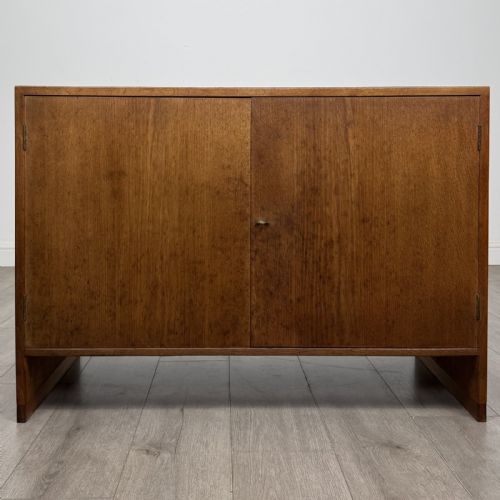
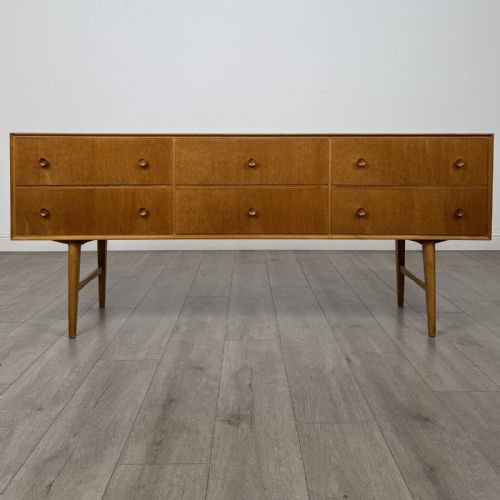
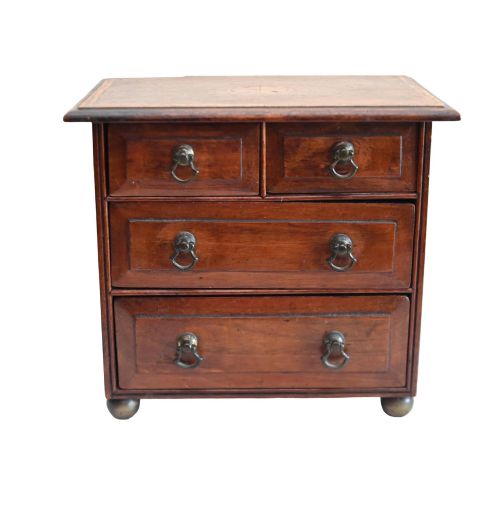
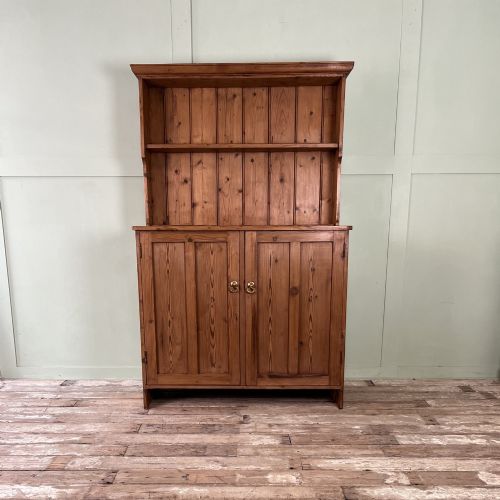
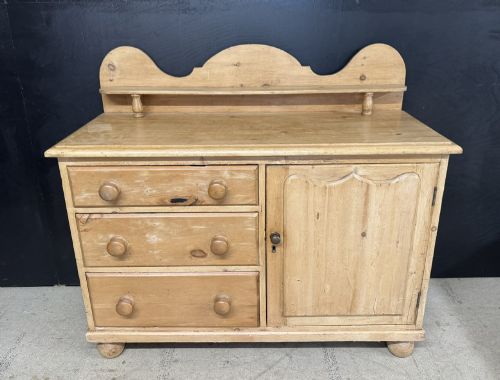
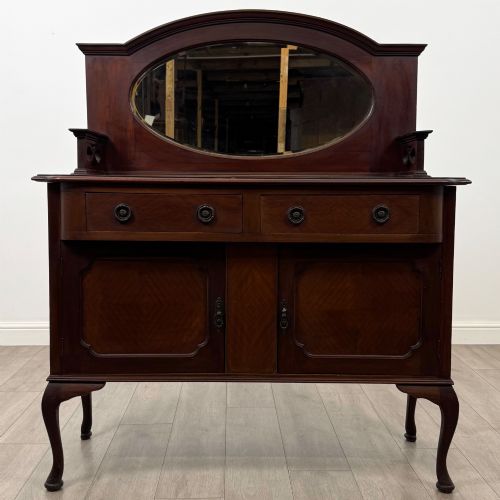
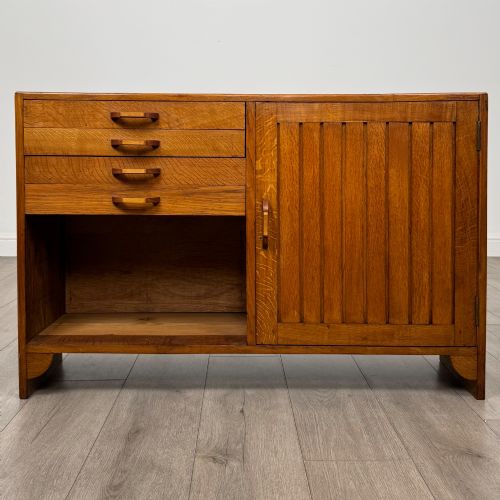
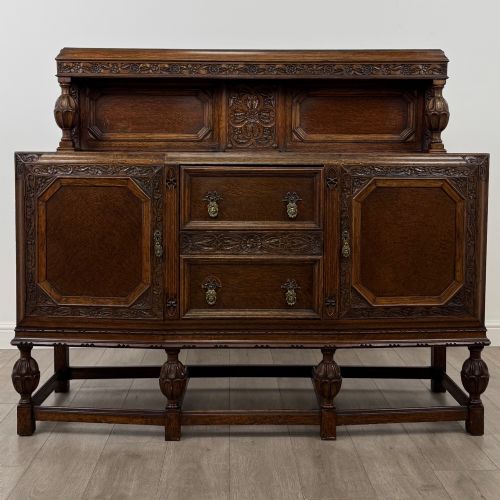
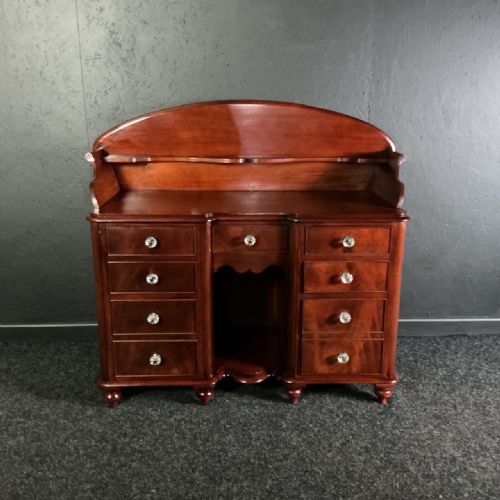

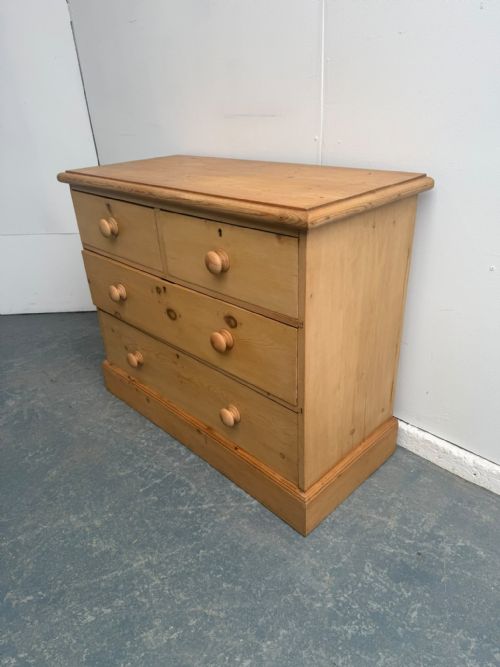
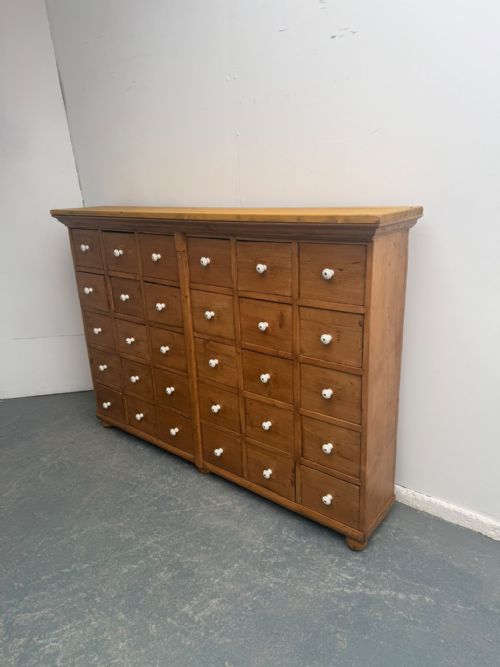
Vintage Sideboard Unit
A vintage sideboard unit brings robust storage and period character to a room, spanning Edwardian oak designs and Art Deco cabinets.
Vintage Sideboard Unit
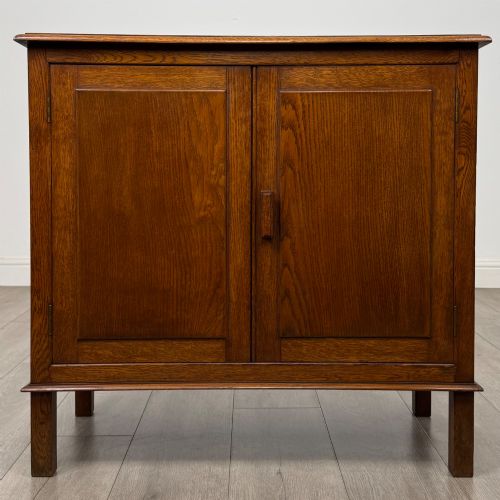
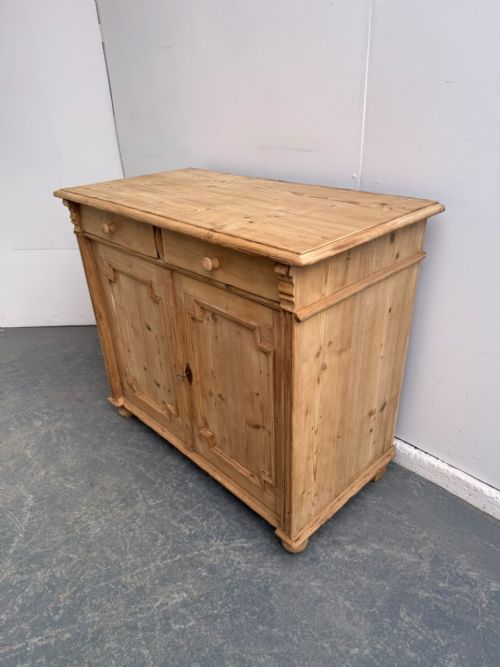
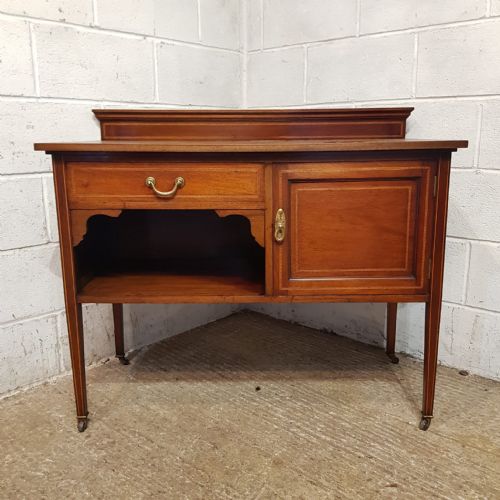
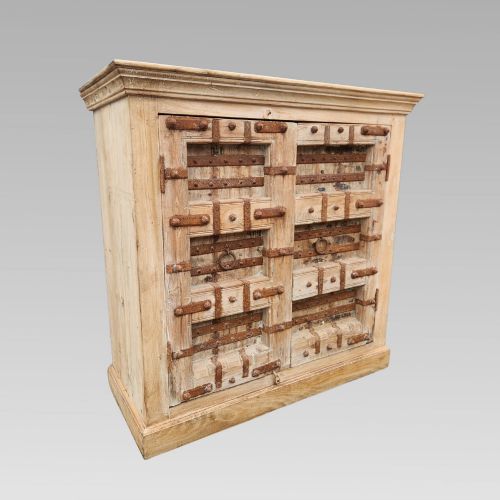
A vintage sideboard unit encompasses storage furniture ranging from Edwardian oak sideboards and 1920s cupboards to Art Deco cabinets. Buyers seeking this phrase encounter various forms, including dressers, chests of drawers, and washstands.
The pieces emerge from periods spanning the nineteenth century through the 1930s, reflecting styles such as Arts and Crafts, Jacobean Revival, and Mid-Century Modern. Oak and mahogany dominate the earlier and revival pieces, while pine appears frequently in kitchen and country furniture.
Materials and Construction
Carpenters utilised solid timbers like oak, mahogany, pine, and satinwood, often pairing them with brass handles, glass, and iron fittings. Marble and faux marble tops provide durable surfaces on washstands and cabinets.
Joinery techniques involve carved details, tambour doors, and inlaid sections, supplemented by mirrored backs and raised galleries on specific Edwardian and Victorian examples.
Listings feature oak, mahogany, and pine across styles including Arts and Crafts, Art Deco, and Georgian Revival.
Quality and Execution
The standard of a vintage sideboard unit rests on the selection of timber, the crispness of carved ornamentation, and the integration of secondary materials such as marble or brass face handles. Pieces bearing maker attributions or refined stylistic details like satinwood inlay represent more deliberate craftsmanship than basic utility storage.
Structural integrity depends on the preservation of original drawers, doors, and internal shelving. Altered surfaces or replacement hardware shift a piece away from its original state, altering its standing within the period.
Liberty & Co.·Gillows·Whytock & Reid
The Vintage Sideboard Unit Glossary
- Tambour door
- A flexible door constructed from narrow vertical strips of wood glued to a canvas backing, allowing it to slide around a curved track.
- Washstand
- A bedroom or bathroom piece designed to hold a basin, frequently fitted with a marble or tiled top to resist water damage.
- Apprentice piece
- A small-scale item created by a trainee woodworker to demonstrate proficiency to a guild or master craftsman.
- Plate rack
- An open shelving attachment mounted above a dresser base, featuring grooves to display plates upright.
- Raised gallery
- A low decorative upstand along the rear edge of a cabinet top to prevent items from sliding off.
Vintage Sideboard Unit: Frequently Asked Questions
What is a vintage sideboard unit used for?
These pieces function primarily as storage furniture in dining rooms, kitchens, and hallways. They hold tableware, linens, and household items while serving as a display surface.
Larger variants incorporate plate racks or drawers, adapting the furniture to organise domestic spaces.
How do I identify an Edwardian sideboard?
Edwardian examples often feature light or golden oak, carved detailing, and brass face handles. Many incorporate oval mirror backs or raised galleries.
The style follows Victorian heaviness with a lighter, more refined proportion.
Are marble tops original to these units?
Marble and faux marble tops appear frequently on washstands and cabinets from the Victorian and Edwardian periods. They provided a hygienic, water-resistant surface for washing equipment.
Inspect the seating of the stone to ensure it fits the rebate of the wooden frame correctly.
How should I care for waxed pine furniture?
Maintain waxed pine surfaces by dusting with a dry cloth and applying beeswax periodically to nourish the wood. Avoid placing the furniture near direct heat sources to prevent the timber from splitting.
Promptly wipe away moisture to protect the waxed finish from water rings.