



Vintage Side Table Castors
These vintage side table castors support small tables across Georgian, Regency, Victorian, and Edwardian periods.
Vintage Side Table Castors
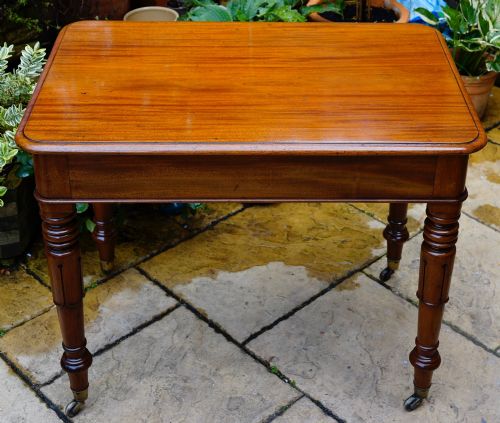
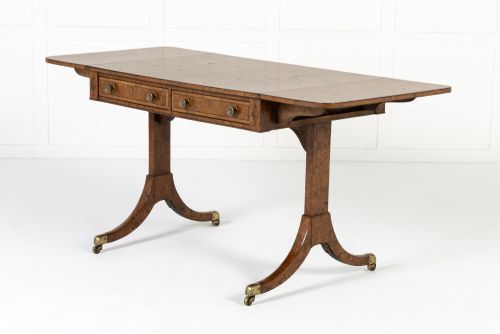
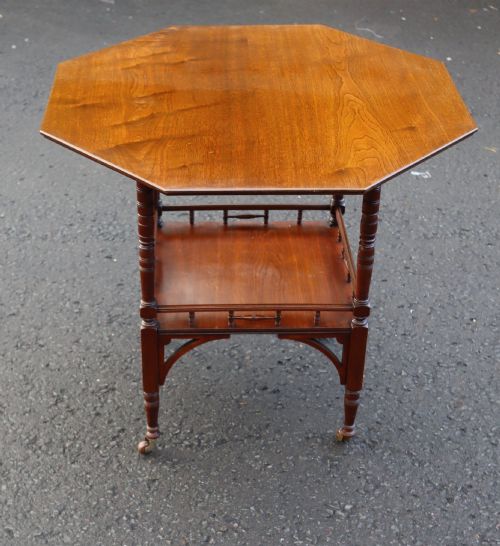
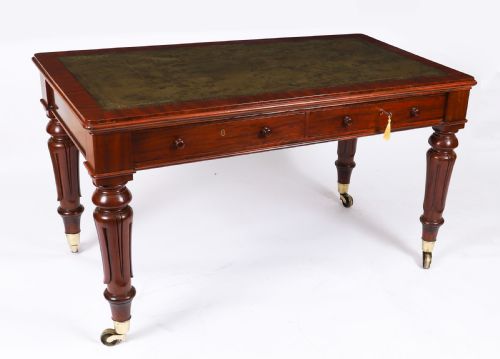
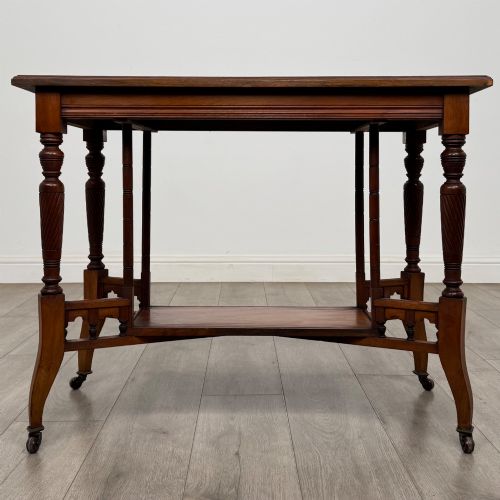
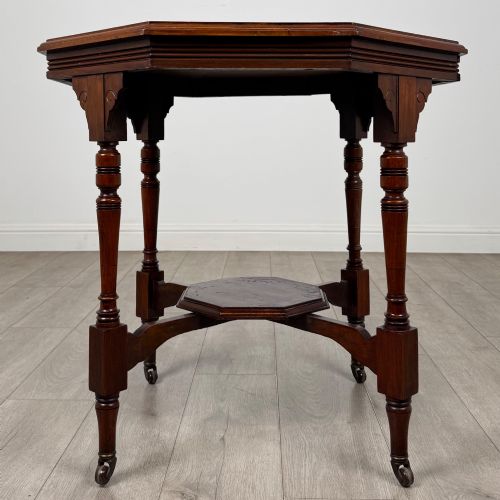
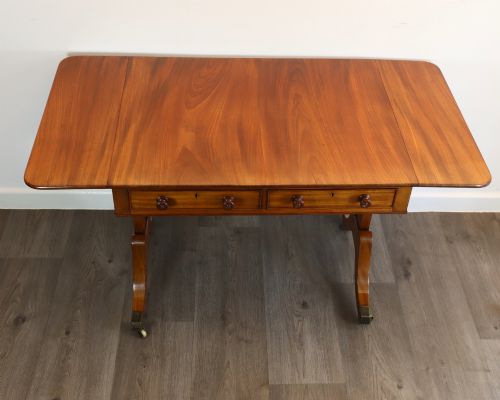
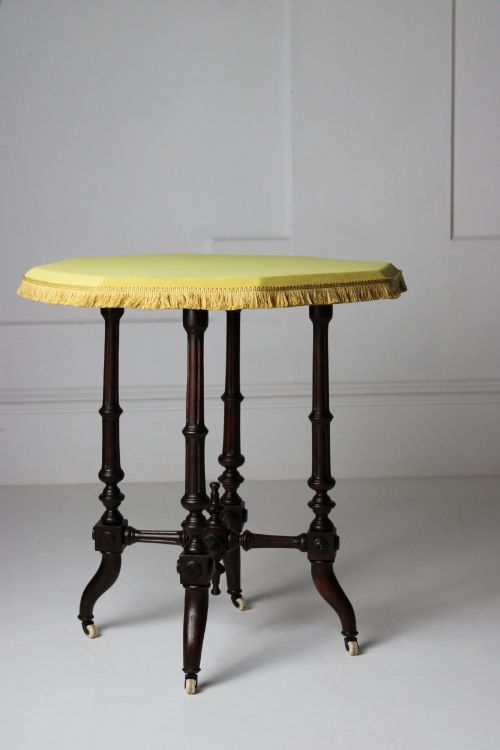
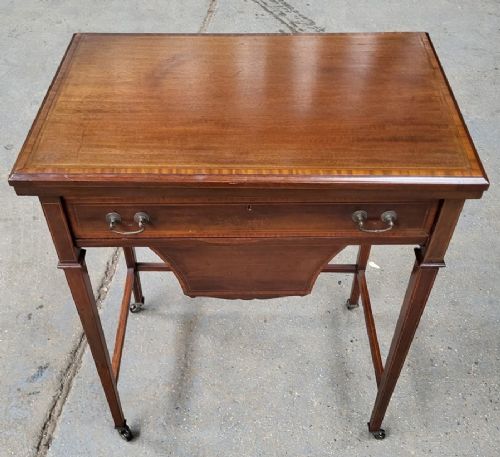
Vintage side table castors appear beneath occasional tables, Pembroke tables, writing desks, and sofa tables spanning the Georgian to Edwardian eras. Buyers searching for these fittings encounter them attached to mahogany, walnut, rosewood, and oak furniture dating from the nineteenth and early twentieth centuries.
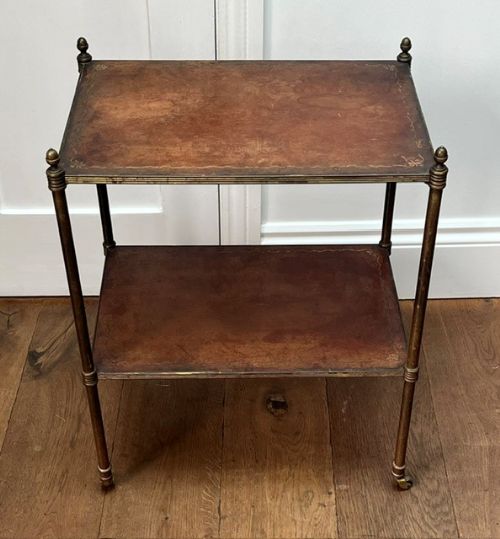
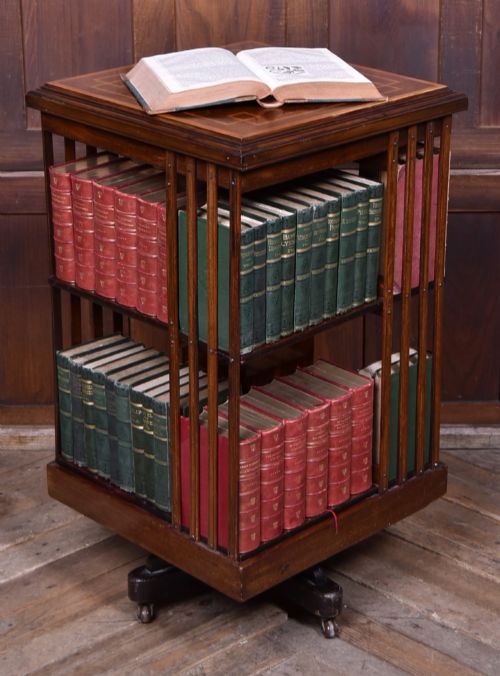
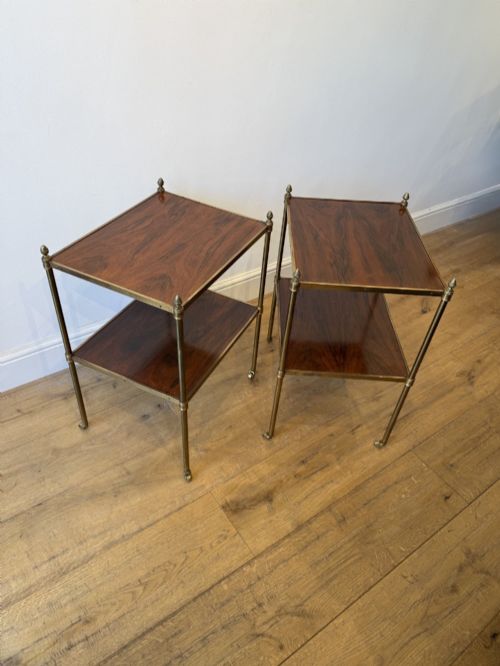
The pieces on this page represent various auxiliary table forms designed for domestic utility and social spaces. Side tables, tea trolleys, and etageres frequently incorporate these rolling supports to allow easy movement across carpets and wooden floors.
Materials and construction
Makers utilised durable metals such as brass alongside robust timbers like mahogany, oak, and walnut to construct tables equipped with castors. Brass fittings provide both strength and decorative contrast against dark hardwoods.
Joinery techniques matched the period, incorporating cross-banding, inlay, and drop-leaf mechanisms. Castors were securely fitted to table legs to withstand the strain of movement.
Vintage Side Table Castors Retail Price Guide 2026
Typical asking prices for vintage side table castors among the pieces listed under this phrase on Sellingantiques today, from the lower quarter to the upper quarter. They describe what is for sale here now, not the wider market.
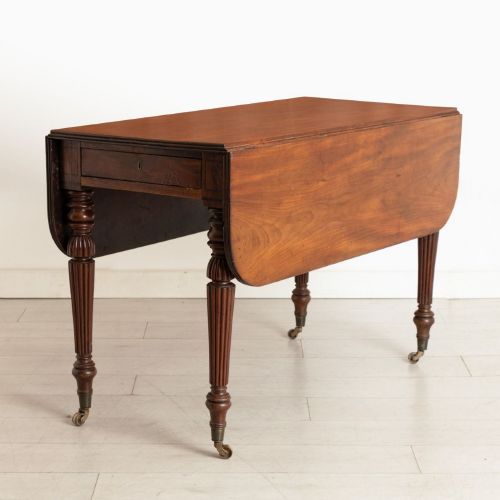
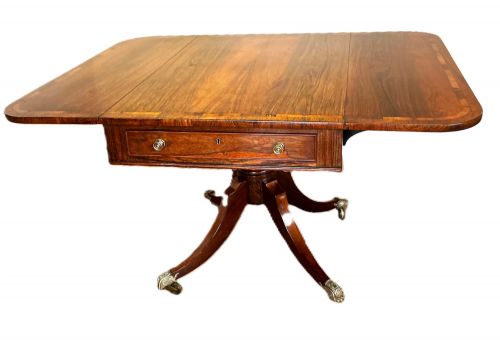
Several tables roll on brass wheels so guests could wheel their tea away before anyone noticed the crumbs.
Markers of quality
Quality rests in the precision of the metalwork, the selection of timber veneers such as satinwood or rosewood, and the integrity of the joinery. Superior examples display refined inlay, well-matched wood grains, and robust, original mounting hardware.
The sophistication of the design, whether an Aesthetic Movement piece or a Regency library table, dictates the standard of execution. Finer tables maintain tight joints and fluid mobility in their undercarriages.
Mallett of London·Andrew Thomson And Sons·Carters Of London·Waring And Gillow
The Vintage Side Table Castors Glossary
- Castor
- A small wheel or revolving fitting mounted on the bottom of an item of furniture to allow easy rolling. These metal or wooden devices enable heavy tables to move without lifting.
- Pembroke table
- A small rectangular table with two hinged drop leaves on opposing sides. It often includes one or two drawers and rests on legs fitted with castors.
- Etagere
- A French term for an open tiered piece of furniture used for displaying ornaments or books. Examples frequently utilise brass frames and leather-lined shelves.
- Inlay
- A decorative technique where contrasting materials are inserted into recesses carved into a wooden surface. Common materials include satinwood, boxwood, and shell.
Vintage Side Table Castors: Frequently Asked Questions
What periods do these tables represent?
The inventory spans the Georgian, Regency, William IV, Victorian, and Edwardian eras. Pieces range from the eighteenth century through to the early twentieth century.
Each period brings distinct stylistic traits, from Georgian mahogany to Edwardian satinwood inlay and lacquered brass etageres.
Which woods are most common?
Mahogany forms the primary timber across the selection, appearing in numerous writing desks, sofa tables, and tea trolleys. Walnut, oak, rosewood, and pitch pine also feature prominently.
Finer decorative pieces incorporate satinwood and elaborate cross-banding to highlight the grain.
How were Pembroke tables used?
Pembroke tables served as versatile occasional furniture in domestic settings, functioning as writing desks, card tables, or breakfast spots. Their drop leaves allowed them to expand or contract depending on the space required.
Castors made these tables simple to reposition around a room as daily needs shifted.
What is an etagere?
An etagere is an open shelf unit designed for displaying small decorative objects, books, or tea services. Two-tier versions frequently use brass and leather materials.
Their mobility, aided by castors, made them practical additions to drawing rooms.