




Vintage Shop Mannequin
These vintage shop mannequin examples bring distinct commercial character into a room, offering genuine historical presence for display.
Vintage Shop Mannequin
A vintage shop mannequin serves as a primary focal point for interiors, encompassing diverse commercial figures and advertising display models found in the evidence. Buyers frequently encounter French and English examples originating from periods such as the 1920s, 1930s, and the 19th century.
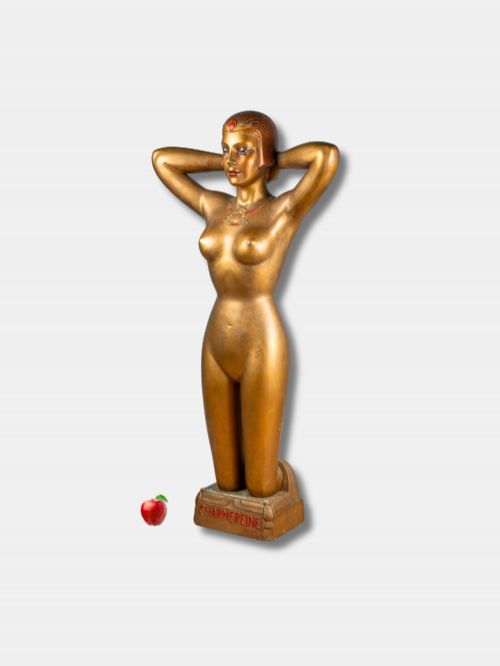
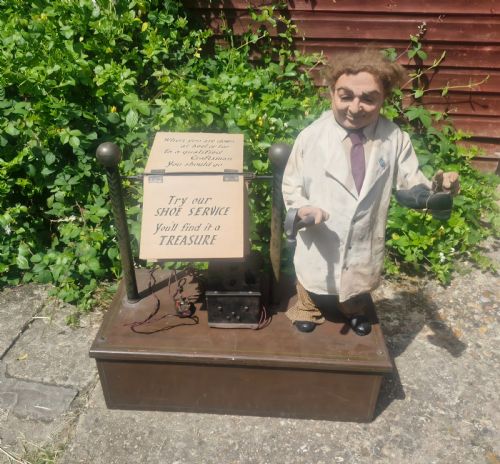
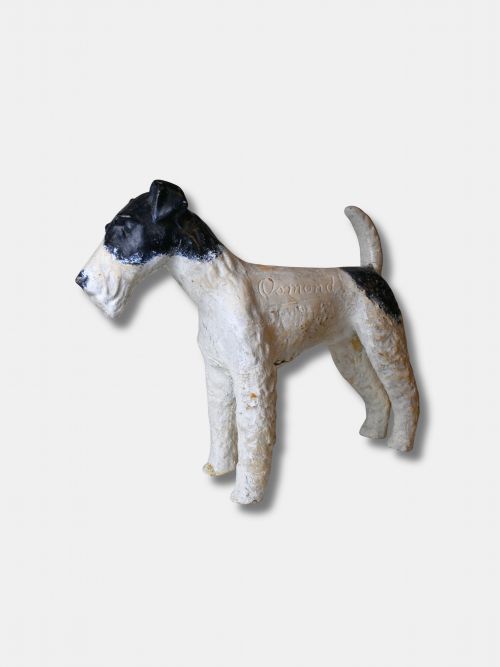
The selection extends beyond standard figures to include specialised forms like hat stands, bust displays, child models, and trade signs such as cigar store Americans and fox terrier advertising figures. These objects bridge retail history and sculptural art, functioning both as historical records of shop display and striking decorative items.
Pieces from this category appear in various scales, from counter top shop displays to life-size figures representing both male and female forms. The material execution often dictates the character of the piece, ranging from French Paris stockman models to folk art display boards.
Materials and construction
Makers utilised a diverse palette of traditional materials including wood, paint, metal, fabric, plaster, composition, linen, leather, and terracotta. Composition and carved wood provided durable foundations for life-size figures and trade signs subject to daily commercial use.
Surface treatments typically involved hand painting and upholstered fabric finishes, particularly linen and leather applied over structural cores. Details such as articulated elements or specialised signage reflect the utilitarian yet artistic demands of early commercial display.
Vintage Shop Mannequin Retail Price Guide 2026
Typical asking prices for vintage shop mannequin among the pieces listed under this phrase on Sellingantiques today, from the lower quarter to the upper quarter. They describe what is for sale here now, not the wider market.
Assessing quality and character
The distinction between standard commercial items and superior examples lies in the artistic expression of the modelling and the originality of the surface finish. Pieces bearing distinct regional characteristics, such as French Art Deco styling or specific maker attributions, display higher sculptural refinement.
Originality of materials heavily influences the standing of a piece, with untouched painted surfaces, authentic fabric upholstery, and genuine period wear holding greater interest for collectors than heavily restored examples.
Charmereine·Stockman·Pierre Iman
The Vintage Shop Mannequin Glossary
- Composition
- A moulded material made from a mixture of pulp, glue, and resin pressed around a core. It was widely used for creating durable mannequin heads and limbs before the advent of modern plastics.
- Dummy board
- A flat painted wooden figure cut out to simulate a real person or animal standing in a room. These served as early trompe l'oeil advertising and decorative items in shops and homes.
- Stockman
- A specific brand and style of dress form originating in Paris. Tailors and couturiers relied on these padded forms for precise garment construction and fitting.
- Trade sign
- An object or figure displayed outside or inside a shop to advertise the goods sold within. Examples include carved wooden figures and animal statues used by tobacconists and merchants.
Vintage Shop Mannequin: Frequently Asked Questions
What materials were vintage shop mannequins made from?
Makers constructed these figures using traditional materials such as wood, terracotta, plaster, and composition. Many examples also incorporate fabric, linen, leather, and metal components.
Surface finishes typically feature hand-applied paint or original upholstery that reflects the commercial aesthetic of their respective periods.
How do I date a vintage shop mannequin?
Dating relies on examining stylistic indicators such as Art Deco lines, materials like early composition or terracotta, and construction techniques. French and English pieces from the late 19th century through the 1930s exhibit distinct manufacturing methods.
Maker signatures, stamps, and the specific form of the display model also help establish the approximate decade of origin.
What is the difference between a dress form and a mannequin?
A dress form is typically a padded body shape designed for tailoring, fitting, and constructing garments. A mannequin generally represents a complete human figure used primarily for window display and advertising.
Both categories overlap in historical retail settings, encompassing everything from simple bust displays to full life-size advertising figures.
How should I display a vintage mannequin at home?
These figures work effectively as standalone sculptural objects in living spaces, studies, or hallways. They can also support vintage textiles, hats, or accessories depending on the specific form.
Placing them away from direct heat sources and strong sunlight helps preserve original painted surfaces, leather, and fabric elements.