



Vintage Shop Island
A vintage shop island brings practical workspace and period character into a modern interior.
Vintage Shop Island
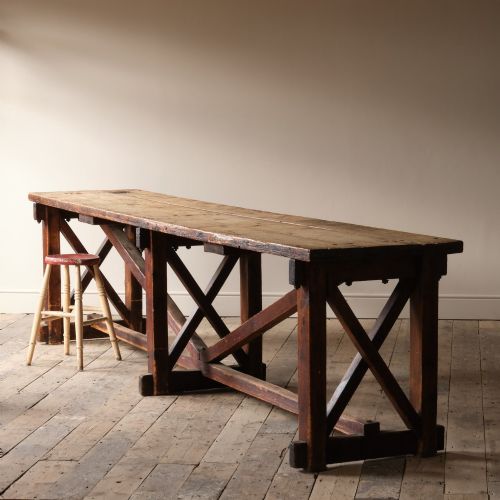
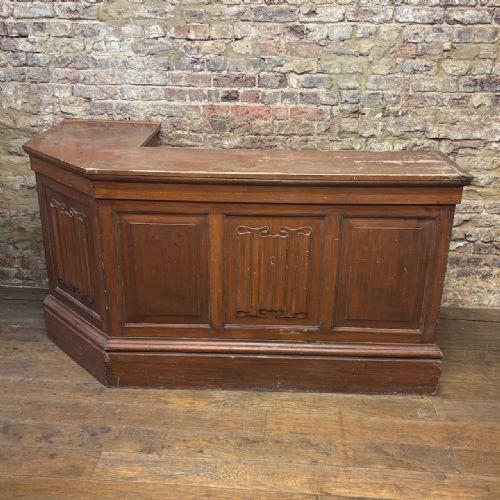
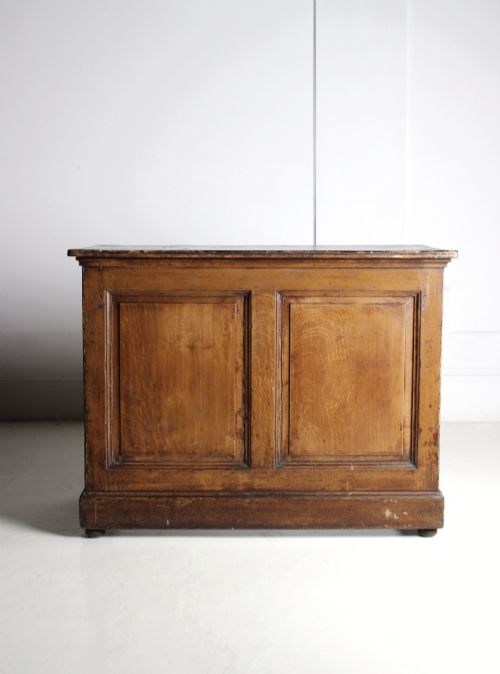
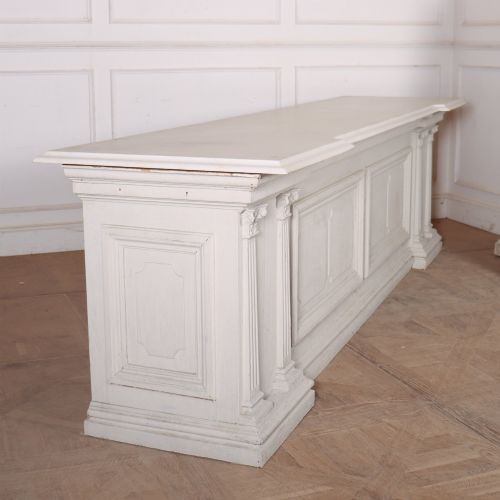
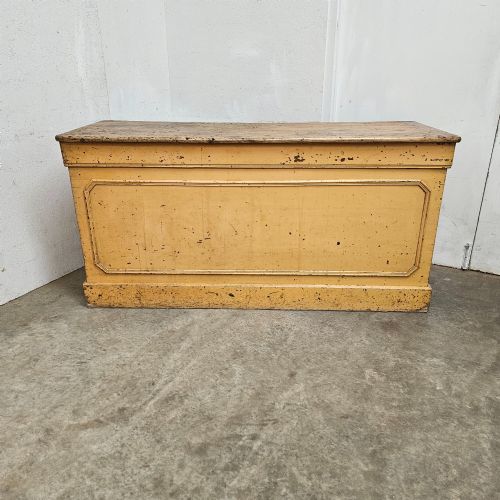
A vintage shop island serves as a substantial focal point, drawing on commercial and domestic origins from the nineteenth century onward. When you search for a vintage shop island, you encounter heavy timber furniture designed originally for trade, including shop counters, drapers tables, and butchers blocks.
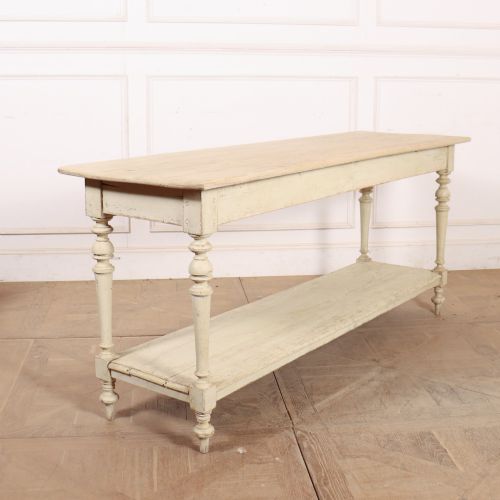
The pieces listed here lean heavily toward French provincial and country aesthetics alongside Victorian and Edwardian examples. You find forms ranging from long drapers tables in bleached or painted oak and pine to panelled commercial counters and robust butchers blocks.
Most examples originate from nineteenth century workshops, utilising durable woods built to withstand heavy daily use. Their generous proportions and utilitarian design make them versatile additions for modern kitchens and open living spaces.
How they were made
Construction relies on sturdy timbers such as oak, pine, and mahogany, chosen for strength and longevity in commercial environments. Tables and counters often combine thick plank tops with robust panelled bases, while some pieces feature functional additions like adjustable feet or brass and iron hardware.
Surfaces show varied finishes, from raw bleached oak to original paintwork in white and muted tones. Artisans utilised traditional joinery methods to build counters and drapers tables that could endure decades of heavy retail trade.
Vintage Shop Island Retail Price Guide 2026
Typical asking prices for vintage shop island among the pieces listed under this phrase on Sellingantiques today, from the lower quarter to the upper quarter. They describe what is for sale here now, not the wider market.
Some nineteenth-century shop counters come with adjustable feet, proving that uneven shop floors have annoyed tradespeople for centuries.
What varies in quality
The distinction between standard utility pieces and finer examples often lies in the integrity of the timber and the retention of original surfaces. Pieces retaining genuine old paintwork or untouched bleached oak command greater interest than those stripped or heavily altered over time.
Proportion and scale also separate everyday commercial fittings from monumental examples, such as exceptionally long drapers tables or heavy butchers blocks. The quality of original construction, evident in sturdy panelled framing and substantial top boards, dictates the enduring utility of the piece.
Trussant & Cie
The Vintage Shop Island Glossary
- Drapers Table
- A long, narrow table originally used in fabric shops to display and measure cloth. These tables typically feature deep proportions and useful lower shelving.
- Shop Counter
- A heavy commercial table or cabinet positioned to serve customers. They often include panelled fronts and substantial working surfaces.
- Butchers Block
- A thick-topped wooden block designed for meat preparation. These items demonstrate exceptional density and heavy end-grain construction.
- Shop Fitting
- Custom fixtures built for commercial interiors. This term covers various freestanding counters and display units.
- Bleached Oak
- Timber treated to lighten its natural tone. This finish highlights the grain while giving the wood a paler, weathered appearance.
Vintage Shop Island: Frequently Asked Questions
What is a vintage shop island?
A vintage shop island is a heavy commercial counter, drapers table, or butchers block repurposed for domestic use. These pieces provide generous surface area and sturdy storage beneath.
Most examples date from the nineteenth century and reflect French and Victorian trade traditions. Their utilitarian origins give them a robust character suited to modern kitchens.
How were drapers tables used?
Drapers tables were utilised in fabric shops to fold and measure rolls of cloth for customers. Their long, narrow proportions allowed shopkeepers to handle large lengths of material easily.
Today, these tables function well as central kitchen islands or serving tables. The deep top boards provide ample workspace for daily tasks.
Are these counters made of solid wood?
Commercial counters and tables from this era utilise solid timbers such as oak, pine, and mahogany. These dense woods were selected to endure heavy daily trade.
Construction methods rely on thick planks and sturdy frames rather than veneers. This solid build ensures the furniture remains stable and functional.
How do I care for an original painted finish?
Original painted surfaces require gentle cleaning with a dry or lightly dampened cloth to preserve the historic patina. Avoid harsh chemical cleaners that might strip the historic pigment.
Waxing unpainted timber tops helps protect the wood from moisture and daily wear. Regular maintenance preserves both the appearance and integrity of the surface.
What is the difference between a shop counter and a drapers table?
Shop counters generally feature enclosed panelled fronts and sides designed to face customers across a retail space. They often incorporate storage shelves or drawers behind the main barrier.
Drapers tables are open-framed tables with accessible space underneath for storing folded fabrics or goods. Both forms share sturdy nineteenth-century construction but serve different functional layouts.