



Vintage Shop Display Mannequin
These vintage shop display mannequin figures bring character and commercial history into a room, offering striking focal points for modern interiors.
Vintage Shop Display Mannequin
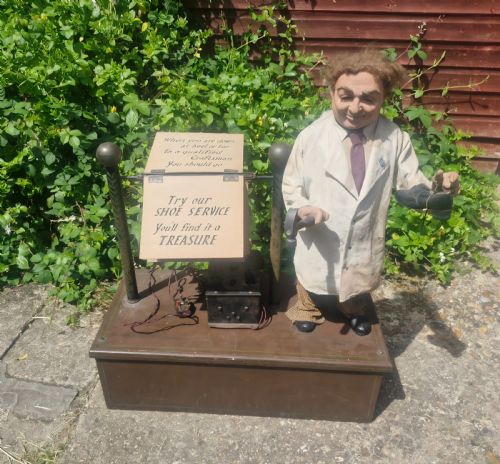
A vintage shop display mannequin serves as a tangible link to past commercial life, taking the form of full-size figures, counter busts, and trade signs. When searching for a vintage shop display mannequin, buyers encounter everything from French Art Deco ladies to Victorian tobacco figures and cobblers' display models.
The selection ranges widely across eras, featuring examples from the nineteenth century through the 1930s. Forms include female advertising figures, male cloth mannequins, hat stands, and carved cigar store Indians.
Origins span English, French, and American workshops, reflecting diverse retail traditions. Buyers most frequently meet composition, wood, and painted plaster constructions designed originally to showcase period wares.
How They Were Made
Maker construction relied heavily on durable composition, carved wood, plaster, and terracotta to withstand busy retail environments. Artisans shaped these materials into life-size figures and counter top busts before applying surface finishes.
Paint, fabric, and leather layers brought realism and texture to the displays, often showing the wear of actual shop use. Metal and iron internal armatures frequently provided structural support for heavier composition or wooden bodies.
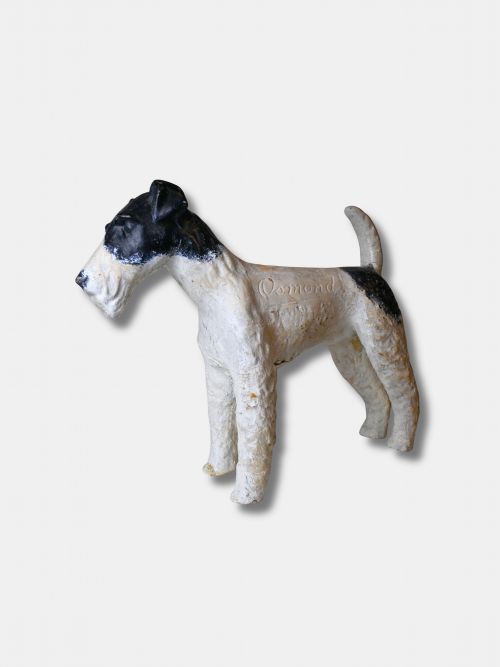
Fox terriers and cigar store Indians served alongside human figures as silent shop assistants.
What Varies in Quality
Quality rests in the fidelity of the sculpting and the intact nature of original painted or fabric surfaces. Finer pieces display sophisticated facial expressions and anatomical detailing typical of named Parisian workshops rather than generic output.
The integrity of early materials like composition and terracotta distinguishes superior survivals from heavily restored examples. Retaining original trade signage, maker stamps, or authentic period clothing elevates a piece's historical weight.
Pierre Iman·Charmereine
The Vintage Shop Display Mannequin Glossary
- Composition
- A moulded mixture of pulp, glue, and resin used to form durable mannequin bodies. It predates modern plastics and develops characteristic surface cracking over time.
- Dummy Board
- A flat silhouette figure painted to resemble a real person or object, used in shops to display clothing. These clever trompe l'oeil pieces stood near doorways or counters.
- Terracotta
- Fired clay utilised for early bust modeling, offering a matte texture that took paint well. It provides weight and permanence to counter top displays.
Vintage Shop Display Mannequin: Frequently Asked Questions
How were mannequins used in old shops?
Merchants placed these figures in windows and on counters to model garments, hats, and accessories for prospective customers.
They helped visualize fit and style before the widespread adoption of standardised clothing sizes.
Where do I put a mannequin at home?
Full-size figures suit empty corners, large hallways, or bedrooms where they can hold vintage garments or hats.
Counter top busts sit well on chests of drawers, sideboards, or bookshelves to add height and historical texture.
Are these figures fragile?
Composition and plaster surfaces require careful handling to prevent chipping or moisture damage in domestic spaces.
Wooden and metal elements prove more resilient, though original painted finishes benefit from stable indoor environments.