







Vintage Shirt Dress Studs
These vintage shirt dress studs and matching cufflinks span the Victorian era to the mid-twentieth century, offering distinct fastenings to elevate formal attire.
Vintage Shirt Dress Studs
Vintage shirt dress studs and associated gents cufflinks appear across multiple periods, including the Victorian era, Edwardian period, and the nineteen thirties. These items serve as functional fastenings for formal shirts and cuffs, often accompanying matching dress buttons.
The selections available here showcase diverse stylistic influences ranging from Victorian and Belle Epoque designs to Art Deco geometric patterns and vintage sportswear themes. Most examples found on this page consist of gents cufflinks alongside traditional dress buttons dating from the nineteenth century onwards.
Materials and construction
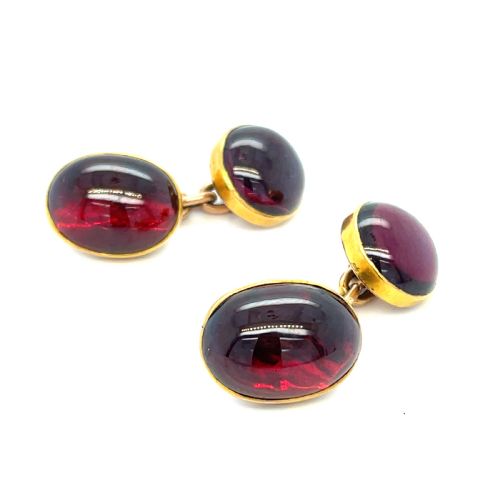
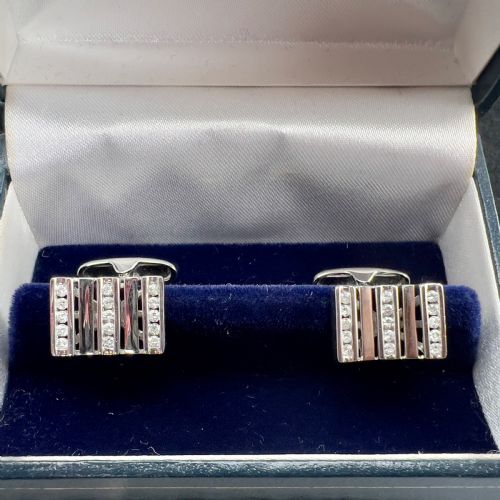
Craftsmen utilised precious metals such as yellow gold, white gold, and platinum as foundations for these pieces, occasionally incorporating base metals like brass. Gemstones including cabochon banded agate, garnet, sapphire, diamond, and various multi gem settings add colour and contrast to the metalwork.
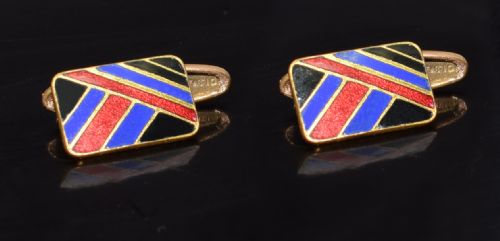
Decorative elements frequently feature mother of pearl, enamel, and pearl applied to the metal surfaces. Techniques range from modernist Art Deco enamel work to double-sided configurations and cabochon stone cutting.
Assessing quality
Distinction across these items lies in the precision of the metalwork and the grade of the materials utilised. Pieces featuring solid precious metals like eighteen carat gold or platinum sit apart from standard nine carat gold or brass variants.
The intricacy of the decorative components dictates overall merit, particularly the hand-applied detail found in fine enamel work and the matching symmetry of double-sided pairs.
The Vintage Shirt Dress Studs Glossary
- Cabochon
- A gemstone shaped and polished with a smooth convex surface rather than faceted. This style highlights the natural pattern of materials like banded agate or garnet.
- Double-Sided Cufflinks
- Cufflinks featuring decorative faces on both ends connected by a rigid bar or chain. This construction ensures a finished appearance from every angle.
- Regimental Cufflinks
- Insignia jewellery commissioned by military units or clubs. These items display specific crests or heraldic motifs in enamel or metal.
- Enamel
- A glassy substance fused to metal through firing for decoration and colour. Art Deco examples often utilise geometric patterns within the enamel panels.
Vintage Shirt Dress Studs: Frequently Asked Questions
How do I wear dress studs?
Dress studs replace standard buttons on formal shirts, particularly stiff-fronted evening shirts worn with black tie or white tie. They push through buttonholes to secure the front placket.
Ensure the stud base is tilted or slipped through the fabric slots carefully to avoid stretching the material.
What is the difference between studs and cufflinks?
Studs fasten the vertical opening down the front of a formal shirt, whereas cufflinks secure the overlapping ends of double cuffs at the wrist.
While many sets are matched by period and material, studs are typically smaller and simpler in profile than cufflinks.
How do I date these pieces?
Dating relies on stylistic markers, such as geometric Art Deco motifs from the nineteen thirties or ornate scrollwork from the Victorian era. Hallmarks on the gold or platinum mounts also provide precise assay office stamps and date letters.
Comparing the fastening mechanism to known manufacturing periods helps confirm the timeline.
Can I wear antique cufflinks daily?
Antique cufflinks and studs tolerate regular wear provided they are handled with reasonable care. Solid gold and platinum versions prove robust enough for frequent use.
Delicate enamel or pearl settings require more mindful handling to prevent scratching or impact damage.