




Vintage Ships Lamp
A vintage ships lamp brings maritime history and heavy metal engineering directly into domestic rooms, offering practical illumination with genuine nautical character.
Vintage Ships Lamp
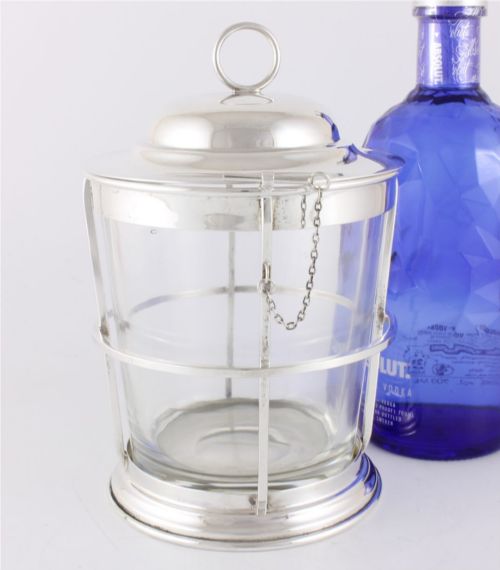
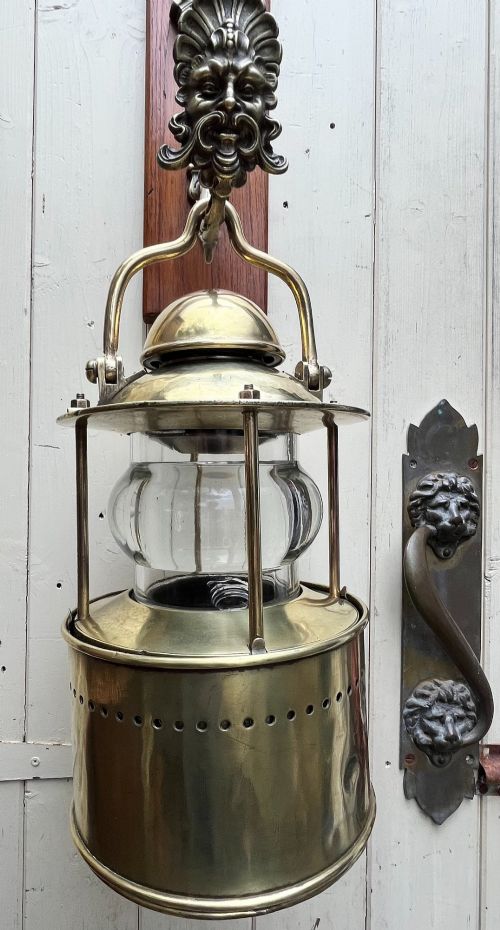
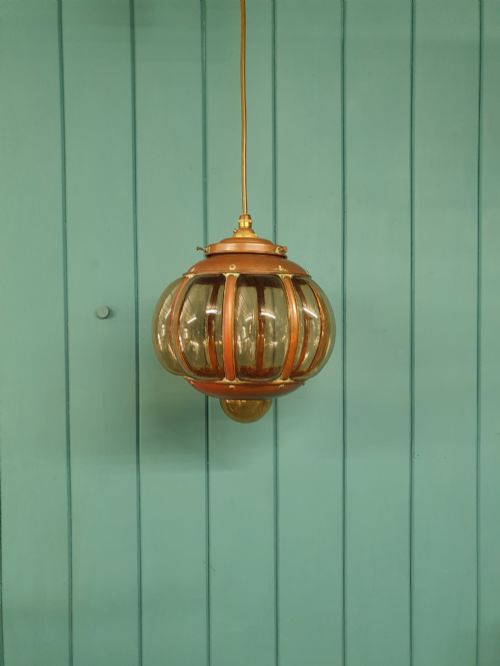
When you search for a vintage ships lamp, you look at utilitarian nautical hardware adapted or designed for interior lighting. The selection spans table lamps, lanterns, wall lanterns, chandeliers, pendant lights, and even ice buckets.
The versions you meet most frequently on this page date from the Edwardian era through to the mid-twentieth century, including pieces from 1800, 1900, 1910, 1920, 1930, and 1950. These items originate from maritime, nautical, Victorian, and mid-century design traditions, sometimes intersecting with Italian Venetian styles.
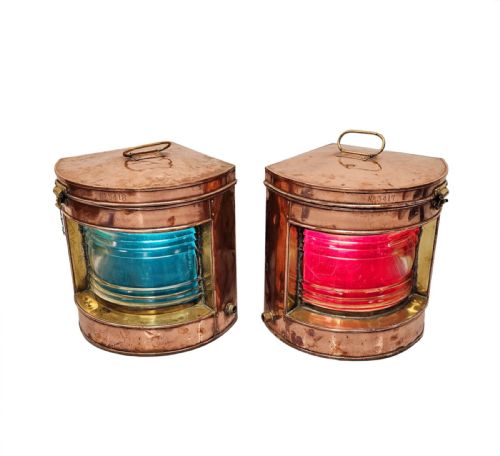
Forms include gimbal-mounted lights designed to stay level on rolling vessels, alongside port lanterns and galleon-shaped chandeliers. Materials range from brass and copper to nickel, silver plate, glass, crystal, wood, fabric, and black enamelled iron.
How they were made
Makers utilised heavy cast brass, spun copper, and nickel plating to build housings capable of withstanding harsh marine environments and constant motion. Metal components are joined with robust rivets, screws, and soldered seams.
Glazing typically involves thick, heavy glass or smoked glass panes designed to protect open flames or early electric bulbs from wind and spray. Gimbal mechanisms rely on balanced rings and pivots that allow the lamp to hang plumb regardless of the angle of the mounting surface.
One brass gimbal lamp on offer doubles for service on a ship or a train, hedging its bets against motion sickness.
What varies in quality
Quality separates commercial grade equipment meant for daily deck service from decorative pieces tailored for domestic use. Heavier gauge metals and intact manufacturer markings indicate higher original specification.
The integrity of the gimbal mechanism, the weight of the cast components, and the clarity or colour of the original glass lenses determine the desirability of each piece. Surface patination achieved through decades of exposure also alters the visual weight of the metal.
PH Vogel·William McGeoch & Co
The Vintage Ships Lamp Glossary
- Gimbal
- A pivoted support ring that allows a lamp to remain upright as its base tilts or rolls. This mechanical setup keeps the light source stable in rough seas or moving trains.
- Port lantern
- A navigation light traditionally displayed on the left side of a vessel, fitted with distinctive red or smoked glass lenses. These housings were built to strict maritime safety standards.
- Nickel plate
- A thin protective coating of nickel applied over base metals like brass or copper to prevent corrosion and provide a bright, reflective silver finish. This treatment was common on utilitarian fittings requiring moisture resistance.
- Smoked glass
- Darkened or translucent glass used to diffuse intense light sources and reduce glare inside cabins. It adds a moody, atmospheric quality to the illumination.
Vintage Ships Lamp: Frequently Asked Questions
What is a gimbal lamp?
A gimbal lamp uses a system of concentric rings and pivots to keep the body of the lantern hanging vertically even when the ship or train lists to one side.
This engineering prevents the lamp from spilling oil or swinging wildly while in transit.
How do I wire a vintage ships lamp?
Most hanging or wall-mounted lanterns can be converted for modern electrical service by running flexible cord through the original burner or draft holes.
It is advisable to consult a qualified electrician to ensure proper earthing and insulation within metal housings.
Where were these lamps used?
These lamps originated in the wheelhouses, cabins, and corridors of working ships, naval vessels, and occasionally railway carriages.
They were built strictly for utility before finding their way into domestic interiors as decorative lighting.
How do I clean brass and copper?
You can clean exposed brass and copper with a mild metal polish if you prefer a bright shine, though many collectors prefer to leave the natural patination intact.
Avoid abrasive pads that can scratch the soft metal surfaces and destroy historical wear.