


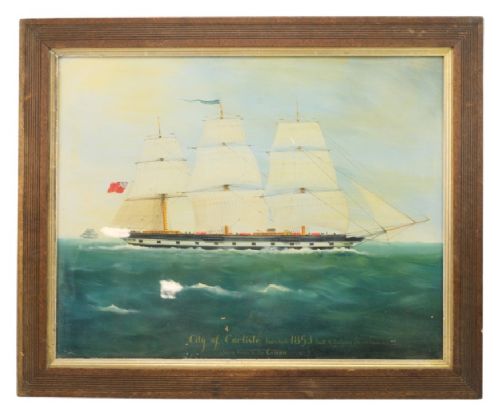
Vintage Shipping Artwork
Vintage shipping artwork captures the grit and grace of the sea through period watercolours, oils and gouaches that bring maritime history right to your walls.
Vintage Shipping Artwork
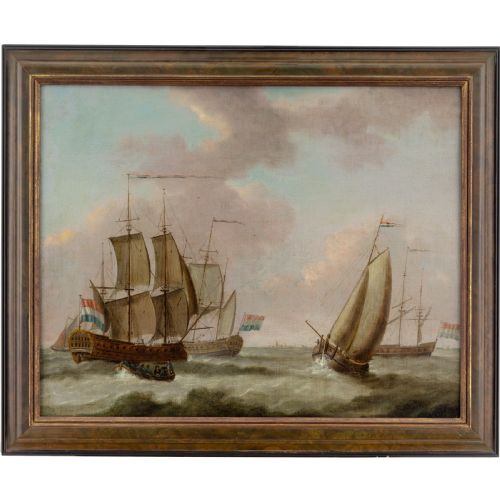
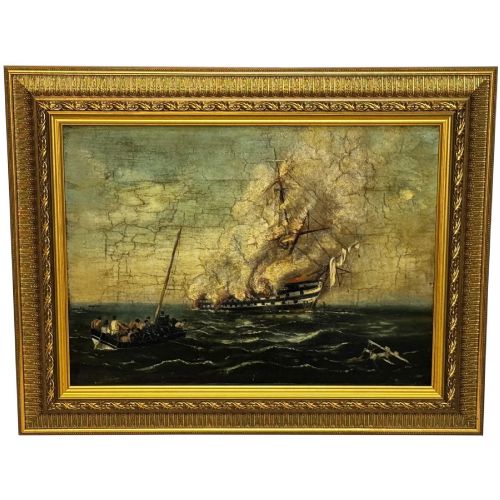
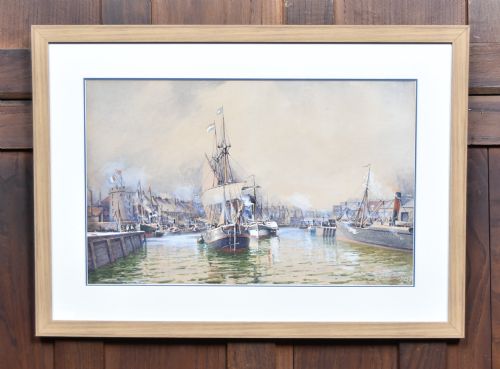
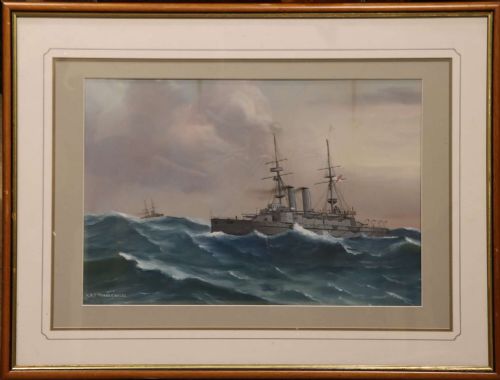
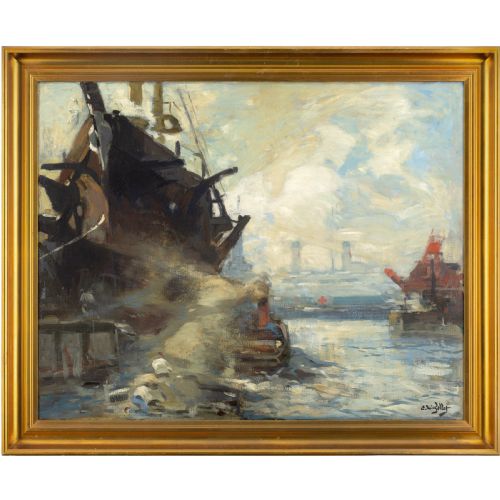
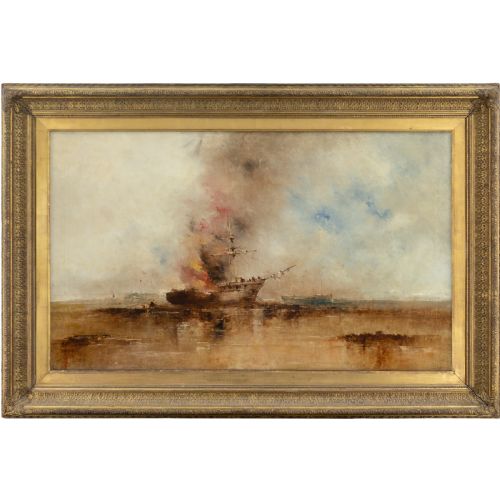
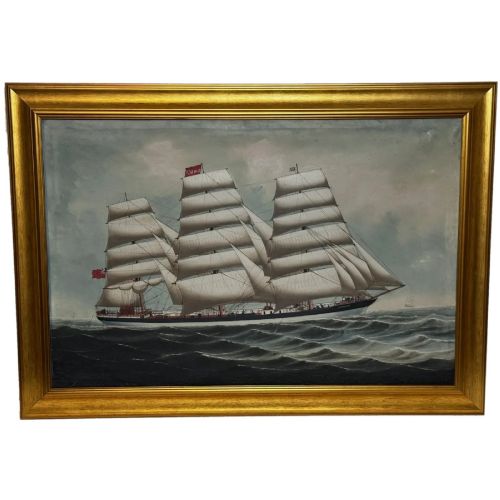
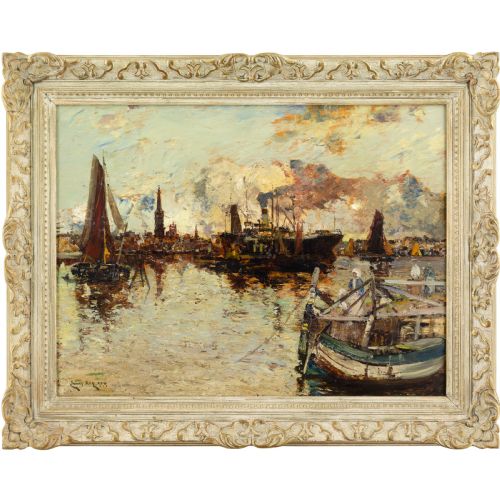
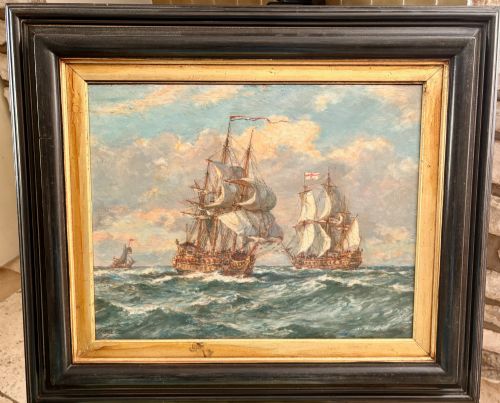
When you search for vintage shipping artwork, you encounter a focused record of maritime history spanning from the nineteenth century through the mid-twentieth century. These pieces predominantly take the form of original oil paintings, watercolours and gouaches depicting steamships, naval vessels and sailing craft in coastal waters or heavy seas. Buyers seeking this aesthetic often find framed works that document specific vessels, ports and naval engagements from the Victorian, Edwardian and later periods.
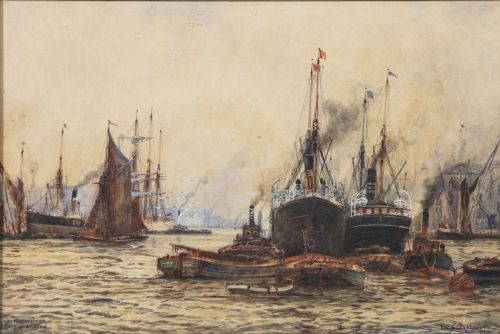
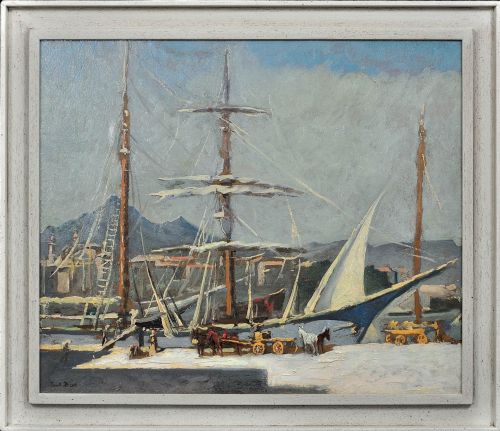
The selection here ranges from detailed pierhead paintings recording named steamers to atmospheric night seascapes and harbour scenes executed by accomplished marine artists. Works on paper and board sit alongside substantial canvas paintings, frequently preserved in their original gilt frames. This variety allows collectors to choose between historical documentary pieces and purely artistic interpretations of maritime life.
Materials and techniques
Artists creating vintage shipping artwork relied primarily on oil paint applied to canvas or board, alongside delicate watercolours and gouache on paper. Oil pigments provided the depth and durability needed to render turbulent waves, stormy skies and dark night seascapes with realistic textures. Gouache offered an opaque finish that allowed painters to highlight the sharp rigging of schooners and the smoke rising from steamship funnels with precision.
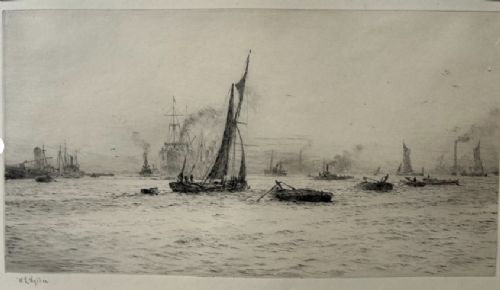
Support materials varied from heavy card and artist board to stretched canvas housed within decorative gilt wooden frames. Many works incorporate pencil underdrawings or ink details, particularly within marine etchings and detailed architectural portraits of ships at sea. These traditional techniques ensured the vessels' rigging and hull proportions remained accurate to naval architecture of the nineteenth and early twentieth centuries.
The listings span the nineteenth and twentieth centuries, uniting works in oil, watercolour, gouache and pencil across Victorian and Edwardian marine styles.
What separates quality in these pieces
The distinction between standard works and superior examples lies in the artist's grasp of maritime mechanics and atmospheric tension. Top-tier pieces demonstrate a profound understanding of water movement, wind pressure on sails, and the precise structural details of named vessels rather than generic hulls. The handling of light upon turbulent water or reflective harbour surfaces separates accomplished marine specialists from competent amateurs.
Provenance and documentation heavily elevate certain works, particularly when a painting identifies a specific ship, regiment or historical event with verifiable accuracy. The integration of the artwork with its period frame also influences the overall integrity of the piece. Superior examples maintain the original harmony between the maritime subject matter and its contemporary housing without later alterations.
Eugène-Louis Gillot·William McAlpine·Charles Edward Dixon·James Kay RSW·Bernard Gribble·William Lionel Wyllie·Frank William Scarbrough·F Corpuz·Paul Bret·Bernard Benedict Hemy·Nicholas Condy·Alexander Harwood·Abraham Hulk I·William Frederick Settle·Eric Tufnell·Vincenzo D’Esposito
The Vintage Shipping Artwork Glossary
- Pierhead painting
- A specialised genre of maritime art depicting specific merchant or naval ships, often commissioned by captains or shipowners when docked in port.
- Gouache
- An opaque water-based medium utilising ground pigments bound in water-soluble gum, frequently combined with watercolor in marine works to achieve dense highlights on water and sails.
- Seascape
- A work of art depicting the sea, differing from marine art by focusing primarily on the water, weather and atmospheric conditions rather than the vessels themselves.
- Etching
- A printmaking technique where lines are bitten into a metal plate with acid before being inked and pressed onto paper, utilised by master maritime printmakers.
- Barque
- A sailing vessel with three or more masts having the fore and mainmasts square-rigged and the mizzenmast fore-and-aft rigged, frequently seen in nineteenth-century marine art.
Vintage Shipping Artwork: Frequently Asked Questions
How do I identify the ship in a painting?
Many vintage shipping artworks feature handwritten inscriptions on the reverse, artist signatures pointing to specific maritime commissions, or clear lettering on the ship's hull or flags.
Researching the vessel name alongside the artist's active dates often reveals naval records, shipping registries, or historical events tied to the painting's creation.
What is the difference between marine art and a seascape?
Marine art specifically places human engineering and nautical vessels at the centre of the composition, recording named ships, naval battles, or harbour traffic.
A seascape focuses primarily on the mood, water, and atmospheric conditions of the ocean, where any vessels present serve merely as secondary elements to the natural expanse.
How should I care for a vintage maritime watercolour?
Watercolours and gouaches on paper are sensitive to ultraviolet light and require placement away from direct sunlight to prevent fading of the pigments.
Framing these works with acid-free mounts and UV-filtering glass protects the delicate paper and preserves the historical integrity of the piece for the long term.
Are pierhead paintings historically accurate?
Pierhead paintings were traditionally produced for shipowners or captains who demanded absolute precision regarding the rigging, flag placement, and proportions of their vessels.
While the sea conditions might occasionally be dramatised for artistic effect, the physical representation of the ship itself serves as a reliable historical record.