





Vintage Ship in Case
A vintage ship in case captures maritime craftsmanship neatly preserved within glass and wood, offering a tangible piece of naval history for any room.
Vintage Ship in Case
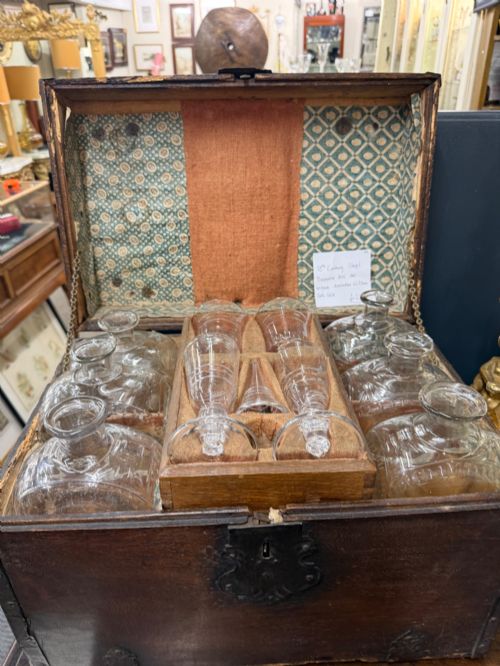
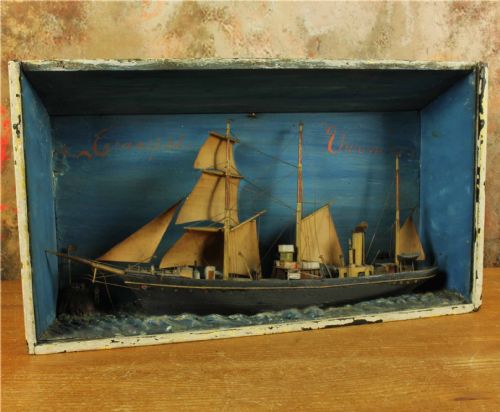
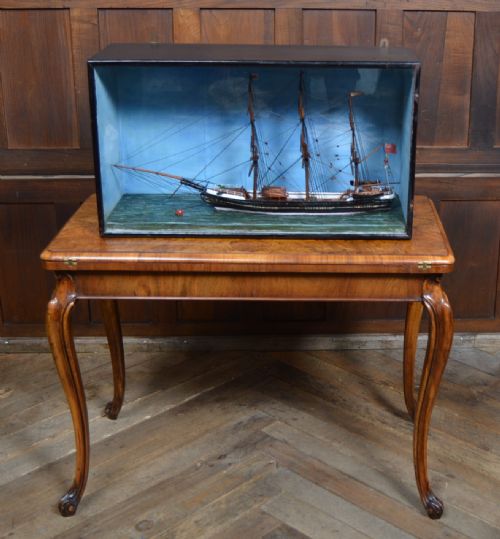
A vintage ship in case typically appears as a cased shadow box diorama, a scale model, or a model ship depicting vessels upon painted or plastered seas. These maritime folk art objects and Victorian maritime pieces range from Georgian decanter boxes to Edwardian models and twentieth-century scratch-built creations.
Buyers frequently encounter nineteenth-century examples alongside 1900 and 1930 scale models of schooners, barques, and clippers such as The Hippolyta. The selection also extends to related maritime items like bulkhead clocks, four glass clocks with ships wheels, and pocket watches featuring painted ships leaving port.
Originating largely from British and French makers, these cased models preserve the detailed rigging and hull construction of historical sailing vessels. The protective glass case ensures that delicate canvas sails and thread details survive intact across the decades.
Materials and Construction
Makers utilised wood, glass, paint, and plaster to build these intricate maritime scenes, housing fragile models securely within protective wooden and glass shadow boxes or display cases. Canvas and thread form the sails and rigging, while brass and enamel appear on related navigational instruments and clocks.
Scratch-built models and handmade boat models rely on traditional woodworking and rigging techniques passed down through generations of maritime folk artists. The surrounding frames often feature walnut, brass fittings, and painted backdrops that create a convincing illusion of depth and movement at sea.
Vintage Ship in Case Retail Price Guide 2026
Typical asking prices for vintage ship in case among the pieces listed under this phrase on Sellingantiques today, from the lower quarter to the upper quarter. They describe what is for sale here now, not the wider market.
Listings feature items spanning the Georgian period, the nineteenth century, and the early twentieth century up to 1940.
Assessing Quality
Quality rests upon the fineness of the scale model's rigging, the realism of the painted or plastered sea, and the structural integrity of the wooden case. Superior examples display precise scratch-built detail in the vessel's hull and masts, whereas simpler pieces rely on more basic folk art construction.
The condition and clarity of the original glass case greatly influence the overall presentation and preservation of the enclosed ship diorama. Walnut frames and solid brass components further elevate the distinction of Georgian and nineteenth-century pieces.
The Vintage Ship in Case Glossary
- Shadow Box Diorama
- A shallow box with a glass front enclosing a three-dimensional scene built up from painted backgrounds and model elements. This format protected delicate canvas sails and thread rigging from dust and damage.
- Barque
- A sailing vessel with three or more masts having the fore and main masts square-rigged and the mizzenmast fore-and-aft rigged. These commercial cargo carriers frequently inspired scale models during the Edwardian period.
- Decanter Box
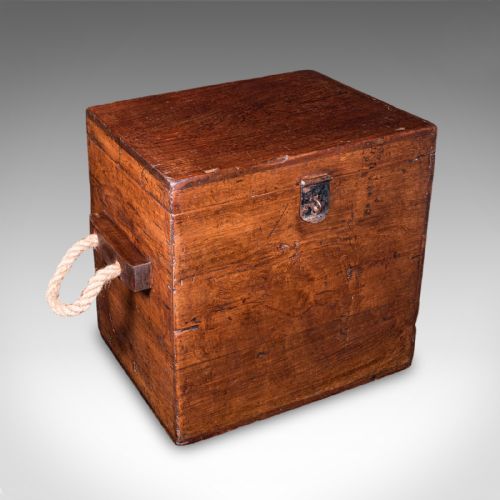
- A fitted wooden container designed to safely store bottles of rum or whiskey alongside drinking glasses. Maritime examples often incorporated fine woods like walnut for shipboard use.
- Barocyclonometer
- A specialised meteorological instrument used to detect rotary storms and typhoons at sea. Early twentieth-century examples combined barometers with calculating scales for navigating mariners.
- Bulkhead Clock
- A robust timepiece designed to be mounted directly to the wall of a ship's cabin or bridge. Brass cases and enamel dials protected these clocks from damp marine environments.
Vintage Ship in Case: Frequently Asked Questions
How were ship dioramas displayed?
These cased models were designed to sit upon mantelpieces, desks, or to be mounted directly on the walls of maritime homes and offices. The glass enclosure kept delicate threads and painted surfaces safe from handling and atmospheric dust.
Cabinets and decanter boxes served dual purposes of storage and display, keeping the owner's nautical interests close at hand. Today, they function well as focal points in studies or living rooms.
What is a shadow box diorama?
A shadow box diorama uses a deep frame and a glass front to present a three-dimensional model set against a painted or plastered background. Artists created painted seas to give the illusion that the vessel is actively cutting through waves.
This construction method allowed makers to preserve tiny details like thread rigging and canvas sails inside a protected environment. The resulting pieces captured specific racing events or famous ships in miniature.
How do I date a model ship?
Dating relies on examining the materials, the style of the wooden case, and any documented history associated with the specific vessel represented. Nineteenth-century examples often feature folk art construction methods, while twentieth-century pieces incorporate more precise scale measurements.
Associated hardware like brass fittings, clock movements, and painted dials can also help narrow down the decade of manufacture. Comparing the ship type, such as a Georgian decanter box or an Edwardian barque, provides further chronological clues.
Where were these ship models made?
Maritime models and cased dioramas originated across coastal communities in Britain and France, reflecting active shipping and naval traditions. Folk artists and skilled craftsmen built these pieces in port towns and inland workshops alike.
French makers produced distinctive four-glass clocks and handmade boat models in regions such as Vienne. British workshops contributed scratch-built schooners, clippers, and decanter boxes intended for maritime enthusiasts.