





Vintage Shell Jewellery
Vintage shell jewellery brings together carved cameos, mother of pearl lockets and tortoiseshell boxes crafted across the Victorian, Edwardian and mid-century eras.
Vintage Shell Jewellery
Vintage shell jewellery encompasses wearable ornaments and decorative containers fashioned from organic marine materials, most notably conch and helmet shells, mother of pearl, and tortoiseshell. When you search for vintage shell jewellery, you encounter pieces ranging from Victorian gold-mounted cameo brooches to Edwardian lockets and mid-century silver earrings.
The selections span distinct historical periods, with Victorian and Edwardian items appearing most frequently alongside interwar and mid-century examples. Forms include brooches, pendants, earrings, rings, bracelets, hair combs, and trinket boxes.
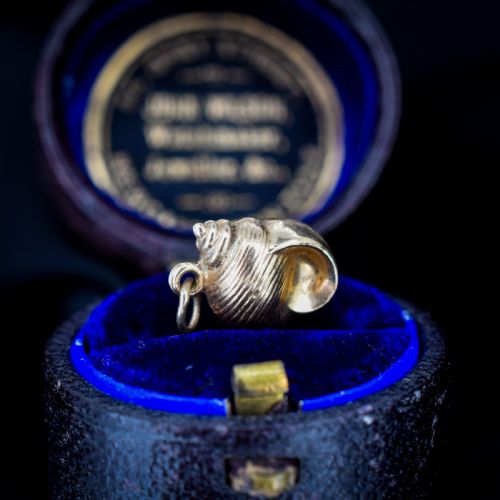
Makers utilised natural shell alongside precious metals such as nine-carat and fifteen-carat gold, silver, and pinchbeck. Pieces often incorporate carved portraits, classical motifs, or geometric inlay work typical of English folk art, Art Deco, and the Arts and Crafts movement.
How they were made
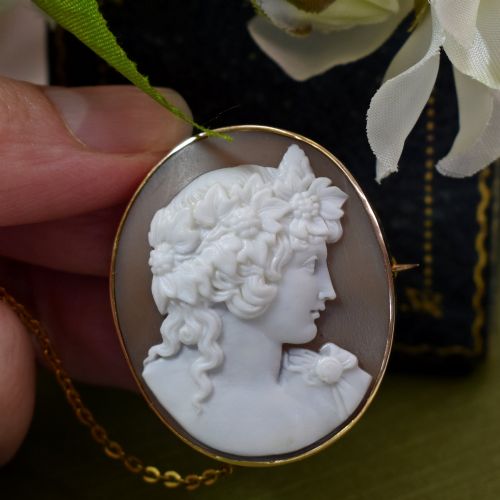
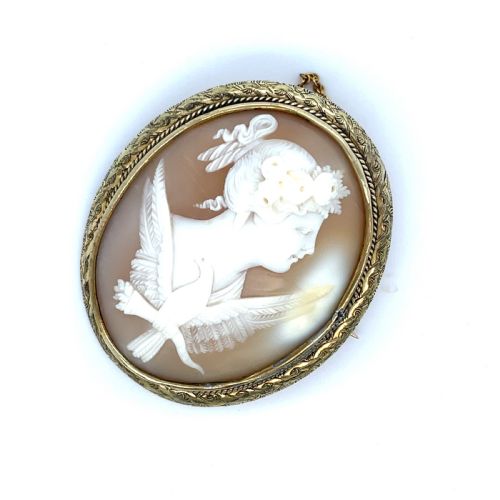
Carvers shaped shell cameos by cutting through the upper white layers to reveal the darker pink or brown ground beneath, creating sharp relief portraits and classical scenes. These were then mounted in solid gold or silver frames, often secured with detailed wirework or prong settings.
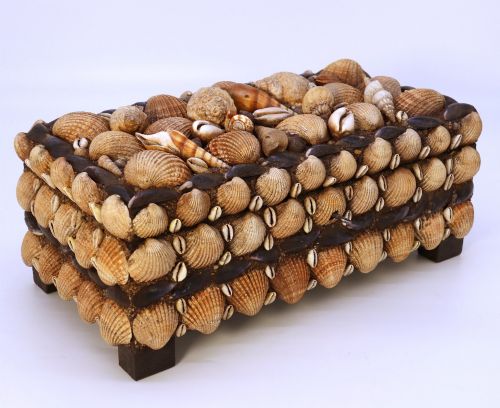
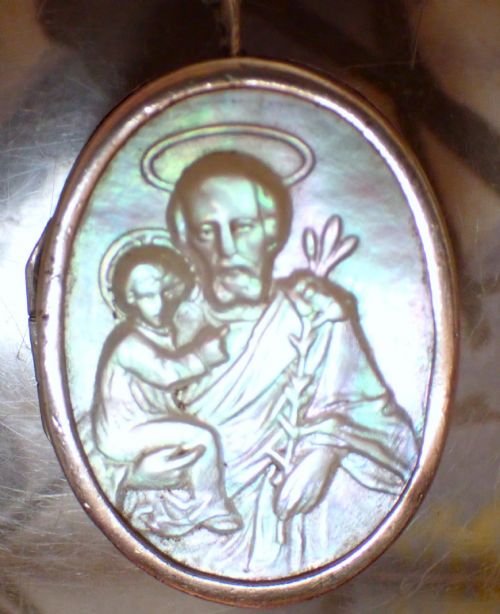
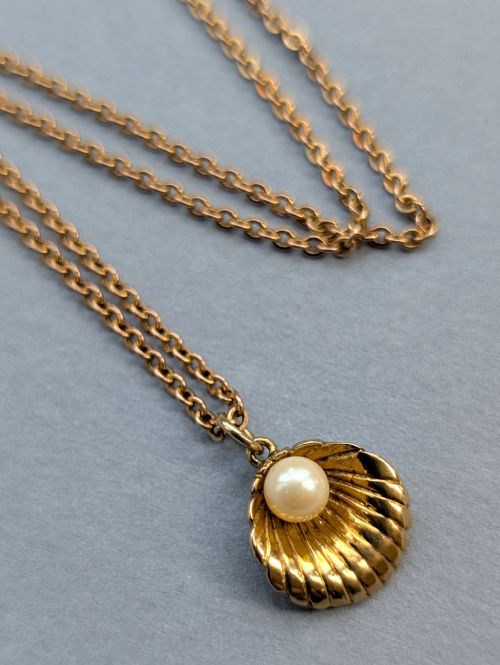
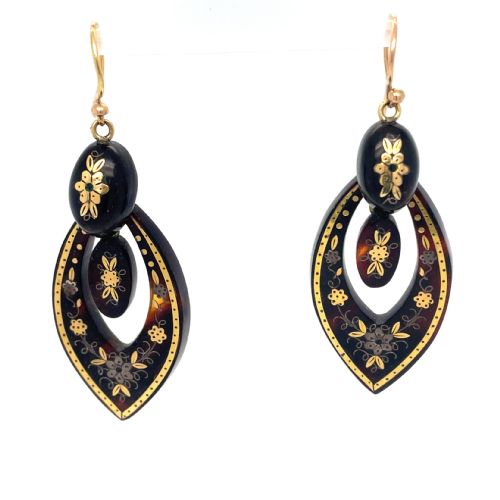
Mother of pearl and abalone components were sawn, filed, and polished before being inlaid into wooden boxes or set into silver and gold pendants. Artisans combined these marine materials with gemstones like pearls, diamonds, and peridots, or shaped tortoiseshell into hair combs and jewellery cases.
Vintage Shell Jewellery Retail Price Guide 2026
Typical asking prices for vintage shell jewellery among the pieces listed under this phrase on Sellingantiques today, from the lower quarter to the upper quarter. They describe what is for sale here now, not the wider market.
Antinous Vertumnus makes a surprise cameo appearance.
What varies in quality
The weight and purity of the metal setting also separate standard pieces from finer ones, as solid nine-carat or fifteen-carat gold frames require greater skill than plated or pinchbeck alternatives. The integrity of the mother of pearl inlay and the condition of the tortoiseshell structure further define the standard of the piece.
The Vintage Shell Jewellery Glossary
- Cameo
- A method of carving an object such as an engraved gem, item of jewellery, or vessel. In shell pieces, this involves working the layered strata of a mollusc shell to produce a raised design.
- Mother of pearl
- The iridescent inner layer of a shell, also known as nacre. Artisans use this material for flat inlay work, carved pendants, and decorative box panels.
- Pinchbeck
- An alloy of copper and zinc invented in the eighteenth century to imitate gold. It appears frequently in period frames and mounts for costume pieces.
- Tortoiseshell
- The shell of certain species of turtle, utilised historically for combs, trinket boxes, and jewellery mounts. It is prized for its mottled amber and brown patterns.
Vintage Shell Jewellery: Frequently Asked Questions
How do I date vintage shell jewellery?
Dating relies on the metal hallmarks, the style of the mount, and the subject matter of the carving. Victorian pieces often feature heavy gold frames and classical portrait subjects, while Edwardian and Art Deco examples tend toward lighter silver settings or geometric forms.
Changes in clothing fasteners also help determine age, such as the transition from C-clasps on nineteenth-century brooches to safety catches on later twentieth-century pieces.
Are shell cameos fragile?
Shell is a natural organic material and can be sensitive to sharp impacts, cosmetics, and harsh cleaning chemicals. Care should be taken when wearing or storing these items to prevent chipping or surface scratching.
Store pieces away from direct sunlight and extreme temperature fluctuations to preserve the natural colour and structural integrity of the shell.
What is the difference between shell and stone cameos?
Shell cameos are carved from the layered shells of sea snails, showing a white figure against a brownish-pink or orange background. Stone cameos are carved from banded agates or onyx, presenting white figures against dark grey, black, or blue-grey layers.
Stone specimens feel heavier to the touch and resist scratching far more than softer marine shells.
How should I clean vintage shell pieces?
Maintenance requires only a soft, dry cloth to remove dust from the carved surfaces and metal mounts. Liquid cleaners, ultrasonic baths, and abrasive polishes should be avoided entirely, as they damage both the shell and any delicate foil backs or pearls.
If metal components require polishing, protect the surrounding shell from direct contact with cleaning pastes.