





Vintage Shell Bowl
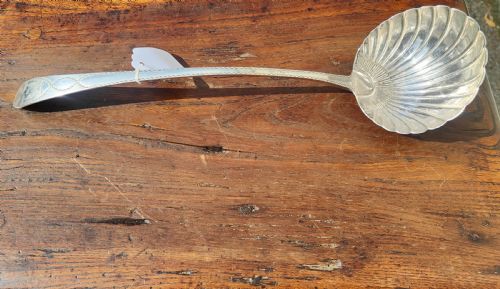
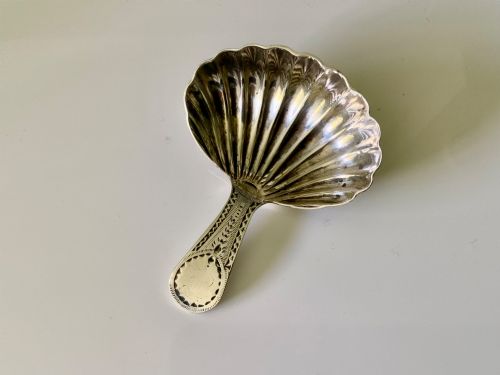
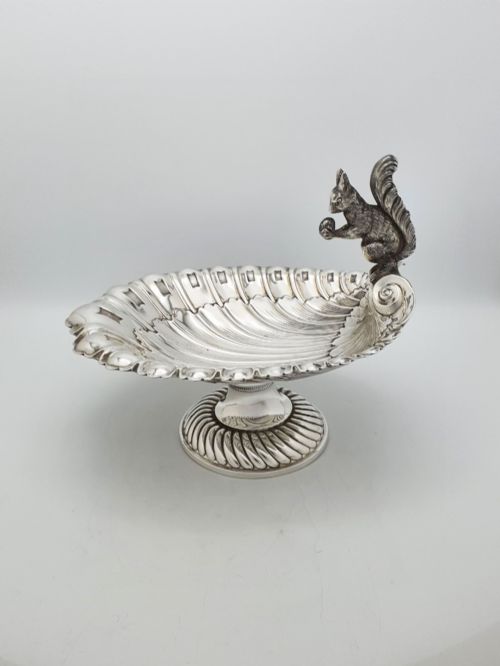
These vintage shell bowl pieces range from silver caddy spoons to giant clam specimens, bringing natural maritime forms into domestic silver and glass.
Vintage Shell Bowl
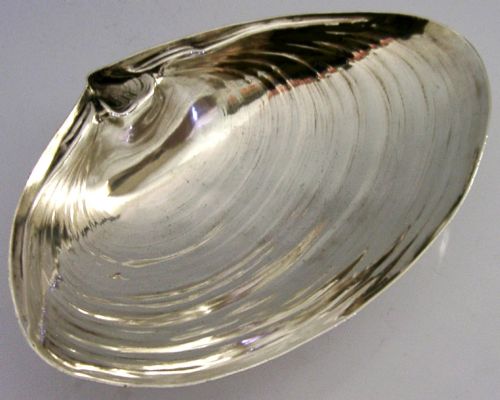
A vintage shell bowl encompasses both natural specimens and metal or glass adaptations shaped like marine shells. The listings include everything from 19th-century giant clam shells to silver caddy spoons with shell bowls and pressed glass dishes.
Makers and silversmiths utilised the natural asymmetry of scallops and clams for serving dishes, butter plates, and decorative bowls. These objects draw on Georgian, Victorian, Edwardian, and Art Deco design traditions.
Buyers will encounter functional tableware alongside natural history specimens intended for display. The variety spans from delicate French opaline glass scallop dishes to heavy composition garden bird baths.
How they were made
Silversmiths formed metal pieces using sterling silver, silver plate, and silver gilt, often casting and hand-engraving handles to complement the fluted bowl. Glass versions relied on mould-pressing and hand-painting techniques to achieve opaline or pink colouration.
Natural specimens involve calcium carbonate and actual shell material sourced from marine environments, whilst other large decorative objects utilise composition materials or carved stone. Metal service pieces frequently incorporate hallmarks denoting specific assay offices and dates.
Vintage Shell Bowl Retail Price Guide 2026
Typical asking prices for vintage shell bowl among the pieces listed under this phrase on Sellingantiques today, from the lower quarter to the upper quarter. They describe what is for sale here now, not the wider market.
Listings span from the 18th century through the Georgian, Victorian, and Edwardian eras into the Art Deco period and the 1960s.
What varies in quality
Quality rests upon the crispness of the casting in silver items and the uniformity of the glass pressing in decorative dishes. Maker attribution and clear hallmarks elevate the standing of metalware considerably.
The integrity of natural specimens depends on their preservation and scale, whilst manufactured pieces derive distinction from detailed hand-painting or heavy gauge metal construction.
The Goldsmiths & Silversmiths·WMF·Tiffany & Co.·Roberts and Belk·Whiting Co.
The Vintage Shell Bowl Glossary
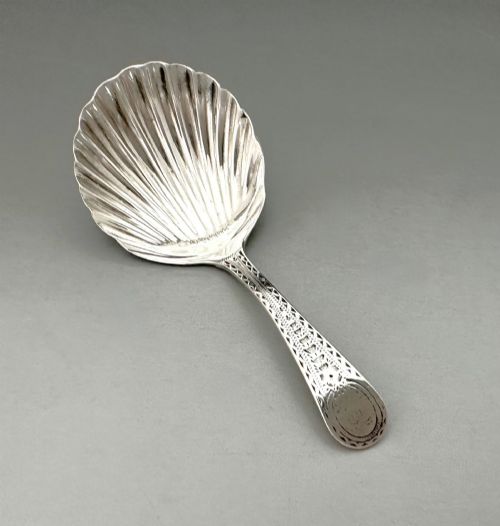
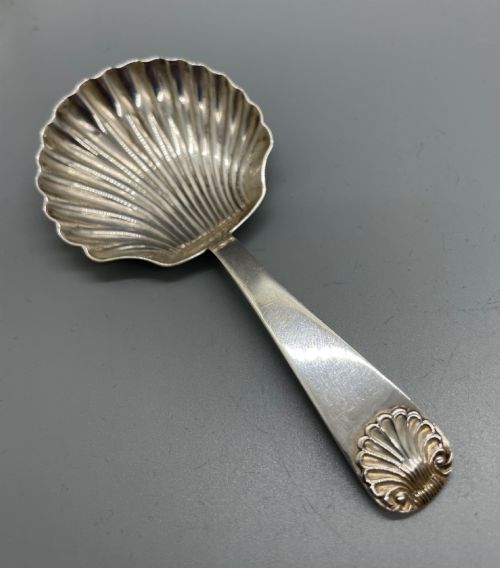
- Caddy Spoon
- A small spoon designed for measuring loose tea leaves into a caddy. Many examples feature shallow shell-shaped bowls.
- Silver Gilt
- Silver that has been coated with a thin layer of gold on the surface. This technique provides a rich two-tone effect inside serving bowls.
- Opaline Glass
- An opaque or translucent glass popular in the nineteenth century. It often displays delicate pastel shades with gilt edges on shell dishes.
- Hallmark
- An official stamp applied to precious metals indicating the standard of purity and the maker. These marks help verify the period of silver items.
Vintage Shell Bowl: Frequently Asked Questions
How were silver shell caddy spoons used?
These small spoons measured loose tea leaves from storage containers into teapots during the Georgian and Victorian periods.
Their shallow bowls allowed the user to scoop the precise amount of leaf required for brewing.
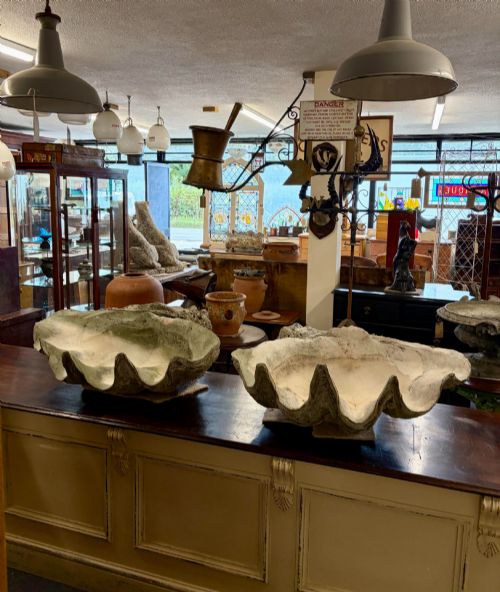
Are giant clam shells genuine marine specimens?
Some listings comprise natural Tridacna gigas specimens sourced as historical natural history items. Other large examples consist of moulded composition materials designed for interior display or garden use.
How do I identify the date of a silver shell dish?
British silver items carry hallmarks that indicate the assay office, the standard of metal, and a date letter corresponding to the year of manufacture.
Stylistic cues such as Edwardian filigree or Art Deco geometry also point to specific decades.
Can glass shell dishes be used for food?
Pressed glass and opaline dishes function well for serving small items like butter, nuts, or condiments at the table.
Careful handling is recommended to preserve hand-painted details and gilt edges.