



Vintage Sheep Painting
A vintage sheep painting brings the quiet pastoral rhythms of the countryside into your interior through oil and watercolour.
Vintage Sheep Painting
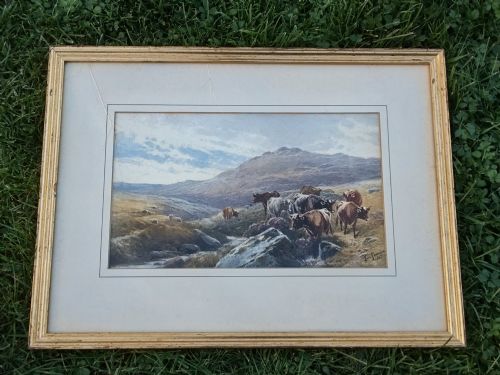
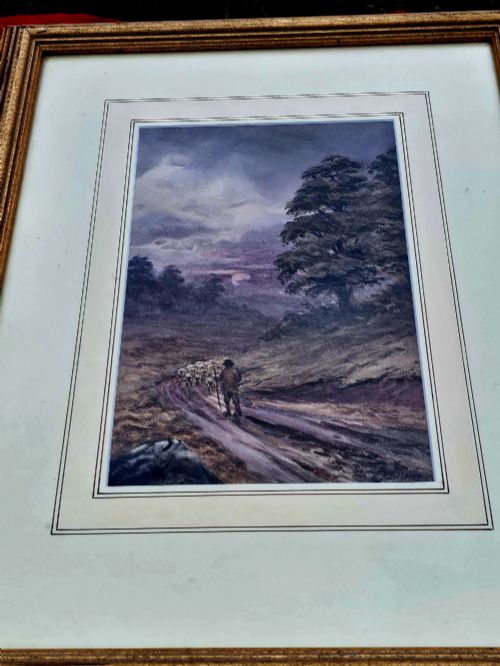
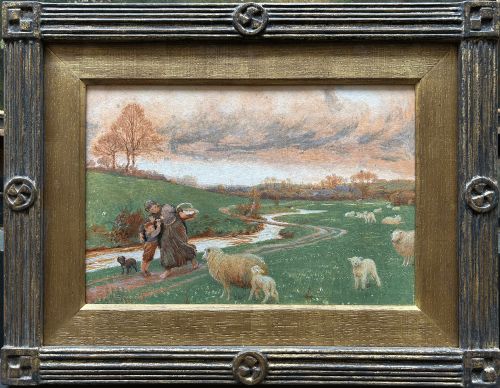
A vintage sheep painting captures rural life across Britain, depicting flocks grazing on Yorkshire moors, Dartmoor, and Scottish highlands. These works range from late Victorian scenes to mid-century rural landscapes, reflecting a longstanding artistic fascination with pastoral subjects.
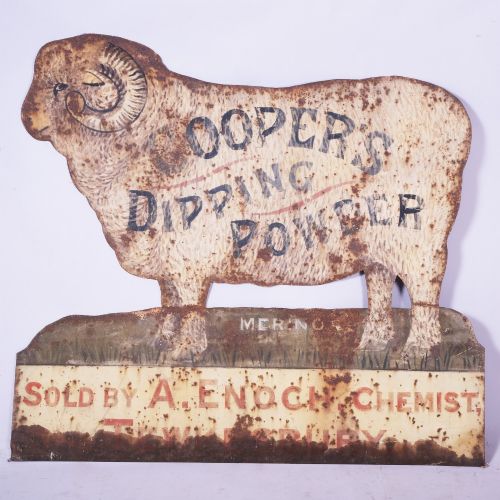
The most common formats on this page are oil and watercolour paintings on canvas, panel, board, and paper, frequently set within gilt frames. Alongside traditional fine art, related pastoral items such as porcelain vases and advertising signs occasionally appear.
Originating predominantly from British and European hands, these pieces span the nineteenth and twentieth centuries, capturing shifts in pastoral painting from the Victorian idyllic school to mid-century British impressionism.
Materials and technique
Artists executed these works primarily using oil or watercolour applied to stretched canvas, wooden panels, card, or heavy paper. Oil paints provided deep pigment and texture for moorland landscapes, while watercolours offered delicate transparency for atmospheric skies and open downs.
Many of these paintings survive within their original wooden and gilt frames, which were constructed to protect the canvas or paper surface. Supporting materials such as wood panels and paper required careful preparation to receive the wet media used by artists of the Victorian and Edwardian periods.
Listings feature works executed in oil, watercolour, and gilt, spanning periods from the nineteenth century to the mid-twentieth century.
Judging quality
Quality in these pastoral scenes rests upon the artist's handling of light, atmosphere, and natural topography. Superior examples demonstrate a confident command of brushwork that brings movement to the flock and depth to the surrounding landscape.
The integration of the animals within their environment distinguishes accomplished works from more formulaic compositions. Finer pieces show careful observation of weather and terrain, whether rendering an open Yorkshire moorland or a sheltered country lane.
Tom Campbell·Frederick Walker·Henry Charles Fox·Owen Bowen·George Turner·Herbert Royle·Rowland Henry Hill
The Vintage Sheep Painting Glossary
- Pastoral
- A genre of art depicting rural life, shepherds, and livestock in natural landscapes. These scenes emphasise a calm, agrarian connection to the countryside.
- Gilt
- Covered thinly with gold leaf or gold paint, frequently applied to the wooden frames enclosing these paintings. This finish adds warmth and definition to the artwork.
- Wood Panel
- A rigid wooden support used by artists in place of canvas. Panels provide a firm, stable surface for detailed oil painting.
- Watercolour
- A paint consisting of pigment suspended in a water-based solution, applied to paper. This medium creates translucent washes suited to atmospheric landscapes.
Vintage Sheep Painting: Frequently Asked Questions
What periods do these paintings cover?
The works span from the nineteenth century through the Edwardian era and into the mid-twentieth century. Artists of the Victorian idyllic school and later British impressionists feature prominently.
Dates extend from the late 1800s through the 1950s, capturing evolving regional styles across British and European landscape art.
How should I frame my painting?
Many examples arrive already housed in period wooden or gilt frames that complement the pastoral subject matter. Preserving these original surrounds maintains the historical integrity of the piece.
When reframing is necessary, select simple mouldings that do not overpower the delicate balance of the canvas or watercolour.
Are watercolours as durable as oils?
Watercolour paintings on paper require protection behind glass to prevent environmental damage from moisture and handling. Oils on canvas or panel offer a more robust physical surface.
Both mediums survive well when kept away from direct sunlight and excessive humidity in a stable indoor environment.
Where were these rural scenes painted?
Locations include the Yorkshire Moors, Dartmoor, Scottish highlands, and Dorset lanes. Artists often travelled to specific rural regions to capture local agricultural life.
Regional variations in terrain, from northern moors to southern downs, heavily influenced the palette and composition of each landscape.