


Vintage Sewing Tool
A vintage sewing tool brings functional history to a desk, ranging from novelty sterling silver pin cushions to carved treen knitting sheaths.
Vintage Sewing Tool
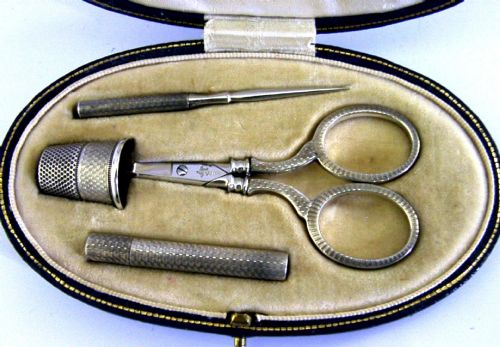
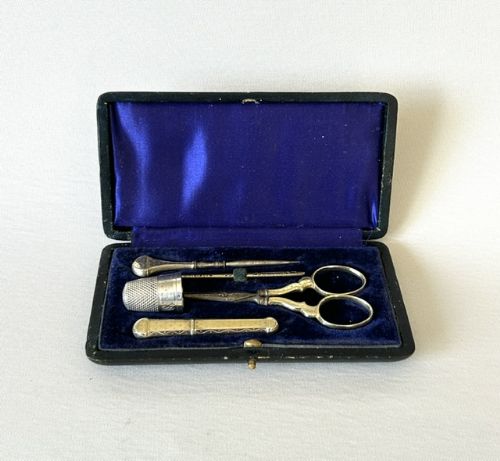
When you search for a vintage sewing tool, you find a diverse group of practical items designed for needlework, spanning the 18th century through the mid-20th century. These objects include cased sterling silver sewing kits, thread and cotton holders, sewing machines, bobbin winders, and etui boxes.
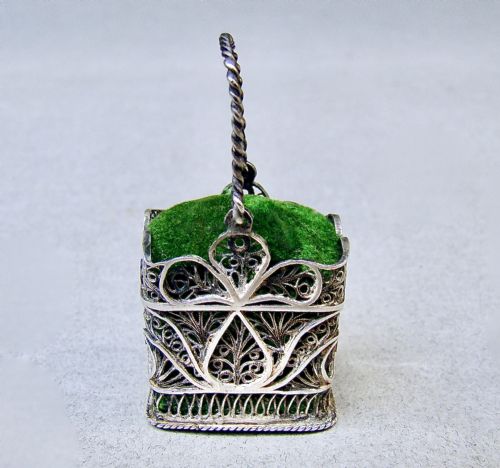
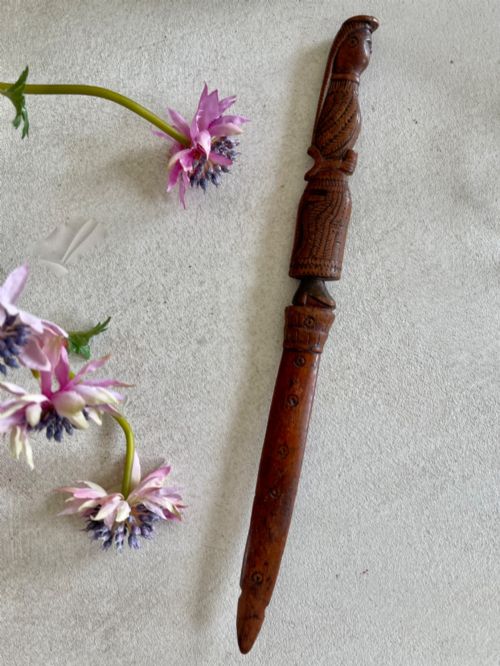
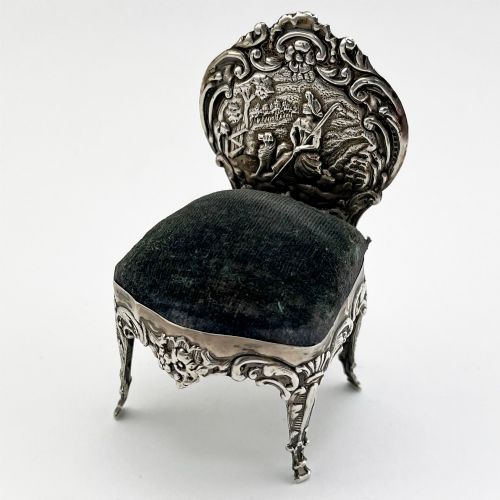
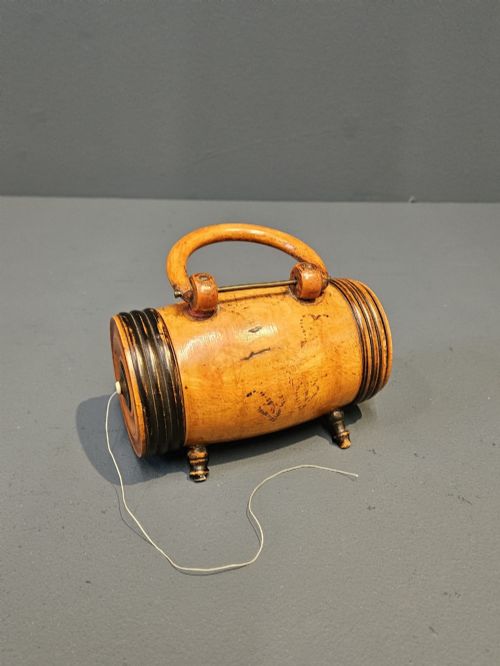
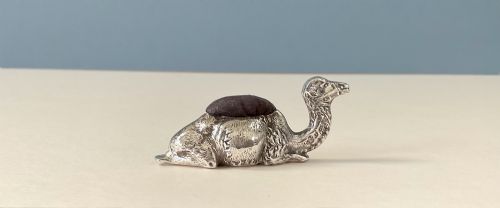
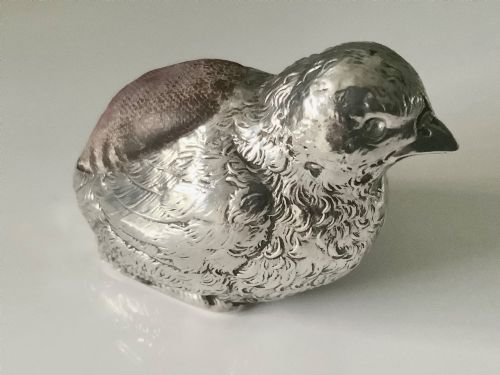
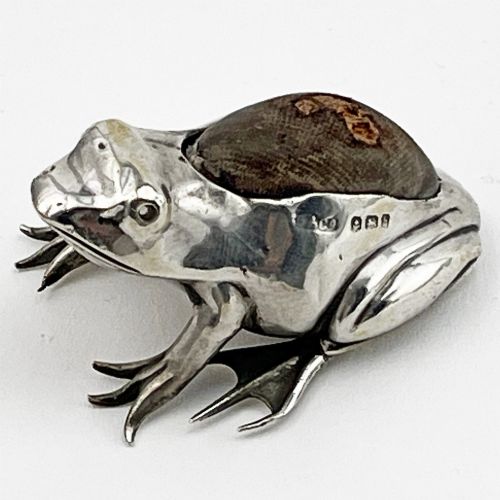
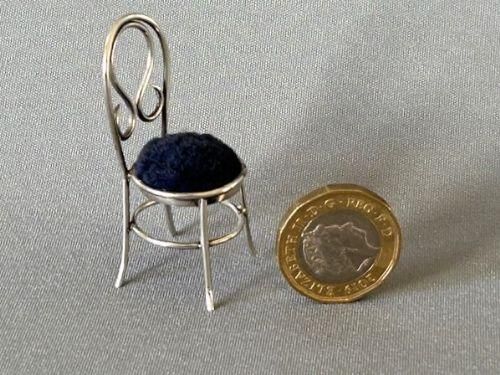
The most common examples on this page are figural sterling silver pin cushions shaped as animals, vehicles, and household items like chairs, alongside carved wooden treen knitting sheaths and French silver compendiums.
Originating from British, French, Scandinavian, and general European workshops, these pieces reflect the domestic needlework habits of the Georgian, Victorian, Edwardian, and later periods.
Materials and construction
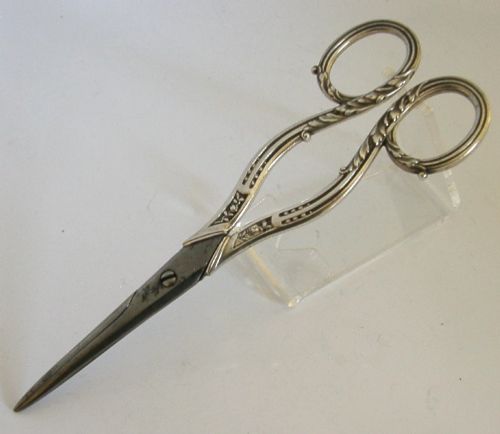
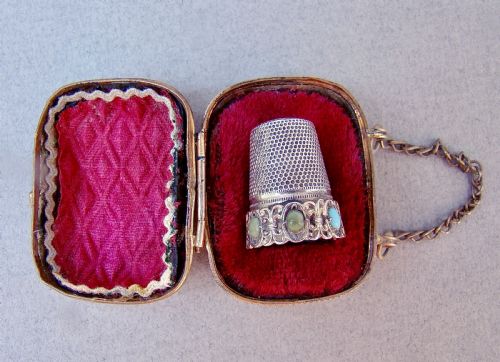
Metalwork relies heavily on sterling silver, silver gilt, steel, and ormolu, often formed into detailed novelty shapes or pierced floral scrollwork. Silversmiths utilised casting, stamping, and engraving techniques to create items such as thimbles, chatelaine cases, and detailed animal pin cushions.
Organic and natural materials feature prominently in wood, fruitwood, mahogany, bone, ivory alternatives like corozo nut, and mother-of-pearl. Treen items and sewing boxes demonstrate traditional carpentry, inlay work, and turning.
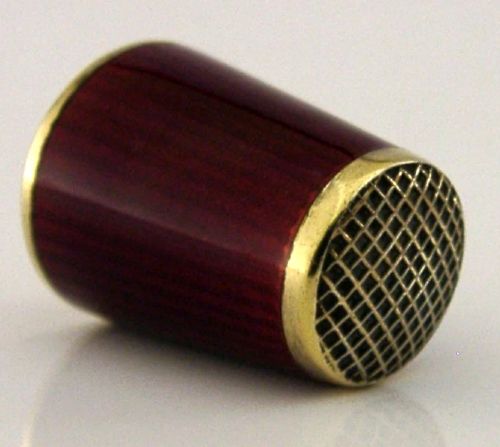
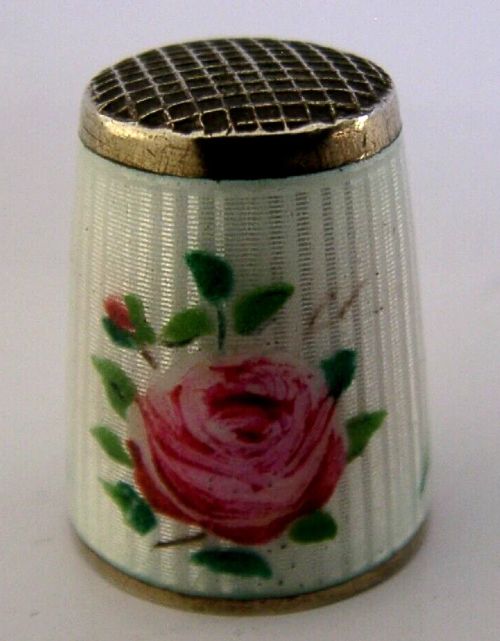
Textiles such as velvet, leather, and fabric provide the padded insertions for pins and needles inside silver and wooden frames, while enamel adds colour to mid-century Scandinavian thimbles.
Vintage Sewing Tool Retail Price Guide 2026
Typical asking prices for vintage sewing tool among the pieces listed under this phrase on Sellingantiques today, from the lower quarter to the upper quarter. They describe what is for sale here now, not the wider market.
The spectrum of quality
Material selection and decorative complexity divide basic utility items from elite parlour pieces. Inlaid treen geometric patterns, heavy gauge sterling silver, and undamaged enamel work indicate higher standards of original manufacture.
David Andersen·Walter & George Myers·George W Shiebler
The Vintage Sewing Tool Glossary
- Etui
- A small ornamental case used for holding needles, scissors, and other sewing implements. These compact containers often appear in silver or lined leather.
- Treen
- Small handmade wooden household objects and utensils created by turning on a lathe or carving. These functional pieces include knitting sheaths and string barrels.
- Knitting sheath
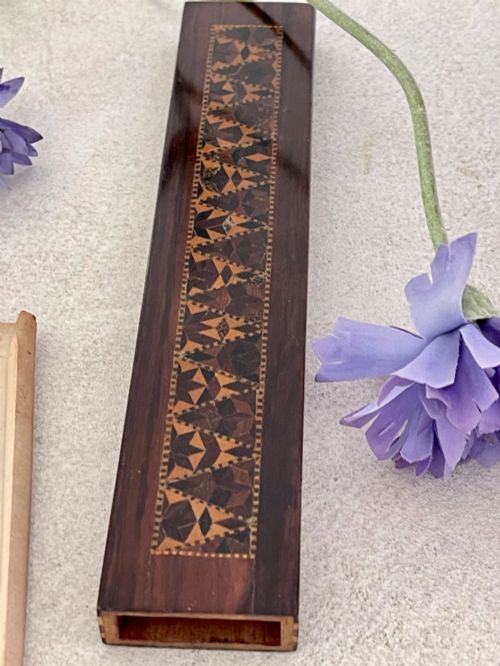
- A traditional device tucked into a belt or apron string to hold a single knitting needle steady while working. Examples range from plain fruitwood to pieces inlaid with geometric shapes.
- Chatelaine
- A decorative belt hook worn from the waist with a series of suspended chains carrying household and sewing implements. These often held thimble cases, scissors, and scent flasks.
- Bobbin winder
- A mechanical device used to wind thread onto bobbins for weaving or sewing. 18th-century versions demonstrate early domestic machinery.
Vintage Sewing Tool: Frequently Asked Questions
How do I date a sewing tool?
Dating relies upon hallmarks on silver components, prevailing artistic styles like Belle Epoque or Folk Art, and the material construction. Makers' marks and assay office stamps provide precise chronological anchors for metal pieces.
Wooden and bone items require stylistic analysis of their turning, inlay patterns, and overall form to place them within the Georgian, Victorian, or Edwardian eras.
What was a knitting sheath used for?
A knitting sheath anchored the working end of a knitting needle against the user's body to maintain steady tension. This allowed faster, more controlled work during long hours of domestic textile production.
Carved from wood or bone, these items were often personal gifts adorned with carved geometric motifs like diamonds and triangles.
How were etuis used?
An etui functioned as a portable case for a lady's essential miniature sewing and grooming tools. It kept delicate items like needles, small scissors, and bodkins organised together.
Carried in the pocket, suspended from a chatelaine, or kept on a sewing table, these cases utilised materials including silver, ormolu, and leather.