



Vintage Serving Vessel
A vintage serving vessel brings practical history to the table, uniting centuries of craftsmanship across diverse metals, ceramics, and glass.
Vintage Serving Vessel
When buyers search for a vintage serving vessel, they encounter a wide array of functional forms spanning from the seventeenth century through the mid twentieth century. These pieces encompass decorative bowls, sauceboats, serving dishes, and pouring jugs utilised across different European and Asian traditions.
The objects on this page most frequently appear as domestic table ware made from metals like copper and silver, alongside earthenware and glass. Examples range from eighteenth century Swedish painted bowls and George II sterling silver sauce boats to French faience double sauceboats and Japanese Imari porcelain.
The collection crosses multiple distinct styles, including Victorian, French Country, Dutch Regional, Art Deco, and twentieth century modern. Each era contributes specific aesthetic choices and manufacturing methods to the wider category of serving vessels.
How they were made
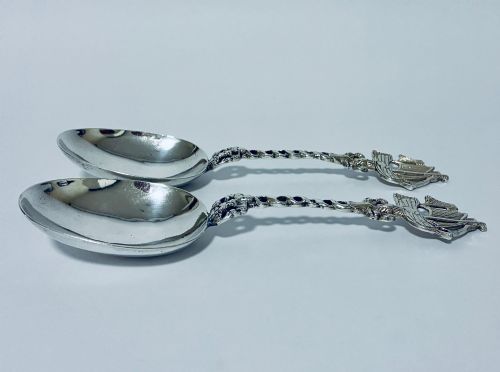
Metal vessels such as copper pitchers and sterling silver sauce boats rely on traditional smithing and casting techniques, shaping sheets and molten metal into functional forms. Silversmiths and coppersmiths utilised hammering, embossing, and soldering to build durable structures.
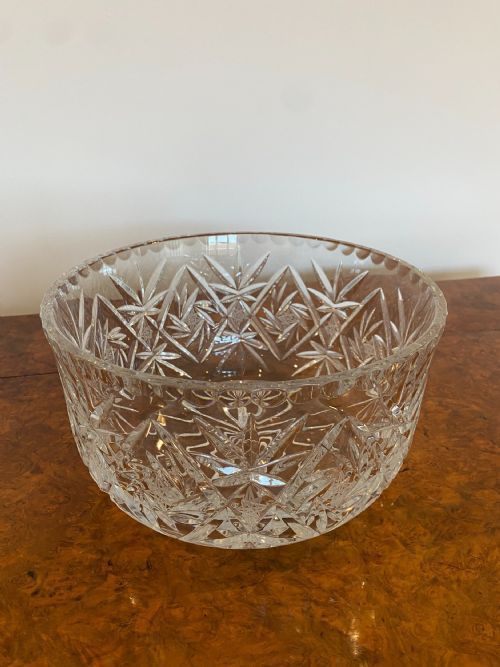
Ceramic examples including earthenware and faience depend on throwing or moulding clay, followed by glazing and hand painting with pigments. Glass items such as bowls incorporate moulding and cutting methods to achieve specific optical and textural qualities.
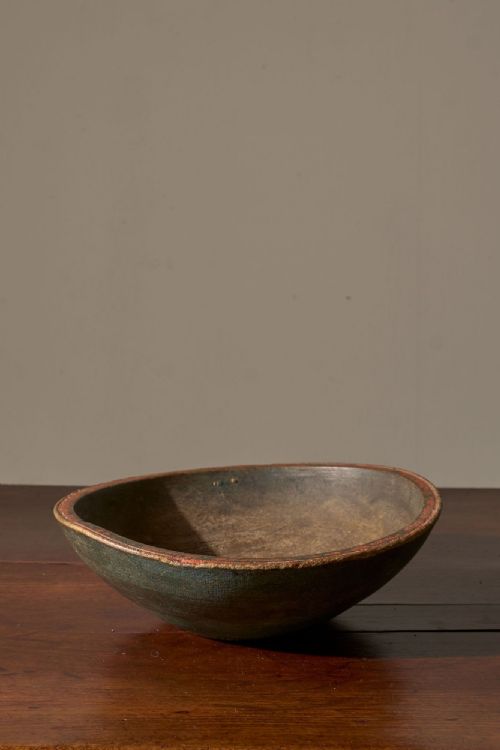
Wooden items like turned walnut treen bowls and wooden trug fruit bowls utilise lathe turning and hand carving on seasoned timber. These organic materials reflect the regional availability of woods during the seventeenth, eighteenth, and nineteenth centuries.
Vintage Serving Vessel Retail Price Guide 2026
Typical asking prices for vintage serving vessel among the pieces listed under this phrase on Sellingantiques today, from the lower quarter to the upper quarter. They describe what is for sale here now, not the wider market.
Early wooden trug fruit bowls remind us that dining tables once relied on garden baskets brought straight indoors for dessert.
What varies in quality
The standard of metalwork distinguishes finer silver and copper vessels from utilitarian equivalents, seen in crisp relief work on embossed sauce boats and heavy gauge construction in chafing dishes. Thicker walls and refined edge finishing indicate superior production values.
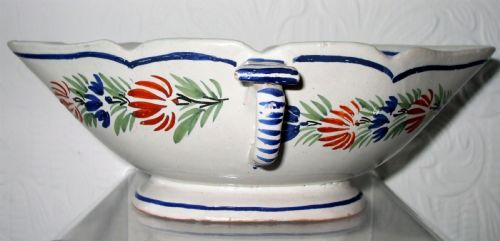
Ceramic quality is visible in the precision of the glaze application and the clarity of hand painted details on faience and Imari bowls. Well preserved painted motifs without excessive fading denote higher grade execution by the maker.
In glassware and turned treen, quality rests on the purity of the material and the symmetry of the form. Smooth surfaces, balanced proportions, and well maintained patination separate exceptional vessels from standard examples.
Rene Lalique·Gioielleria Agliardi Cassino
The Vintage Serving Vessel Glossary
- Sauceboat
- A boat shaped vessel designed for serving sauces, gravies, or melted butter at the table. These often feature an integrated stand or double pouring spouts.
- Faience
- Tin glazed earthenware produced in France and other European regions, typically decorated with hand painted colourful motifs. The opaque white glaze provides a smooth ground for ornamentation.
- Treen
- Small handmade wooden household objects created by turning on a lathe or carving. Common items include bowls and utilitarian kitchen implements.
- Imari
- A style of Japanese porcelain featuring distinctive underglaze blue and overglaze red, gold, and black decoration. These pieces were widely exported to Europe from the seventeenth century onward.
- Bain Marie
- A heated water bath used in cooking and serving to keep food warm. Table top examples are often constructed from heavy copper with fitted lids.
Vintage Serving Vessel: Frequently Asked Questions
What is a vintage serving vessel?
A vintage serving vessel is a functional antique container used for presenting food or liquids at the dining table. These items include bowls, sauceboats, jugs, and chafing dishes originating from past centuries.
Such pieces combine utility with decorative design, reflecting the domestic habits and material culture of their respective periods.
How were antique sauceboats used?
Antique sauceboats held liquid accompaniments like gravies, sauces, or melted butter during formal and informal meals. Their spouts and handles allowed diners or servants to pour contents cleanly onto plates.
Many designs incorporated matching underplates to catch drips and protect table linens from spills.
Can I use antique metal vessels for food?
Using antique metal vessels depends heavily on their internal linings and current condition. Copper pieces often require modern tinning before food contact, while silver items must be assessed for cleanliness and structural stability.
Many collectors prefer to use these items for dry presentation or display rather than active cooking and serving.
How do I care for antique ceramic bowls?
Antique ceramic bowls require gentle hand washing in lukewarm water with mild soap to preserve their delicate glazes and painted details. Dishwashers and harsh abrasive scourers cause permanent damage to fragile surfaces.
Storing them securely away from direct sunlight and extreme temperature fluctuations protects the earthenware and porcelain from cracking.