


Vintage Serving Flatware
These vintage serving flatware pieces bring specialised utility and period character to the table, spanning centuries of silversmithing tradition.
Vintage Serving Flatware
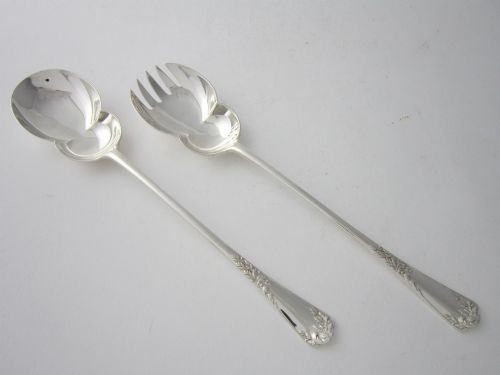
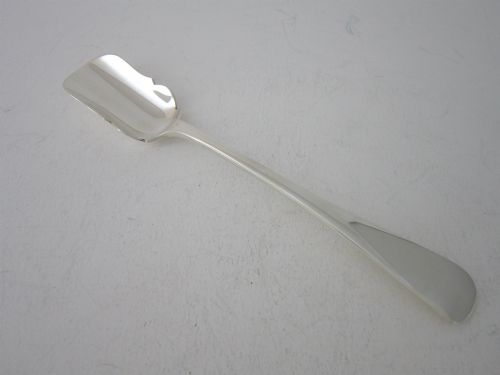
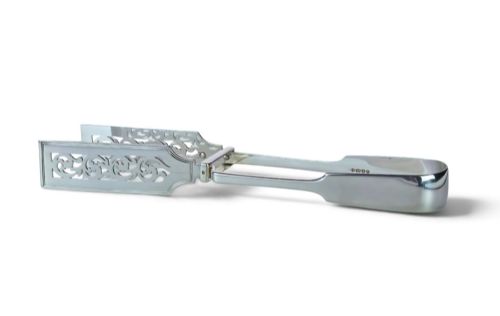
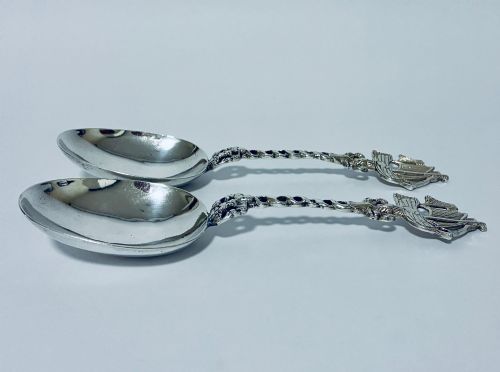
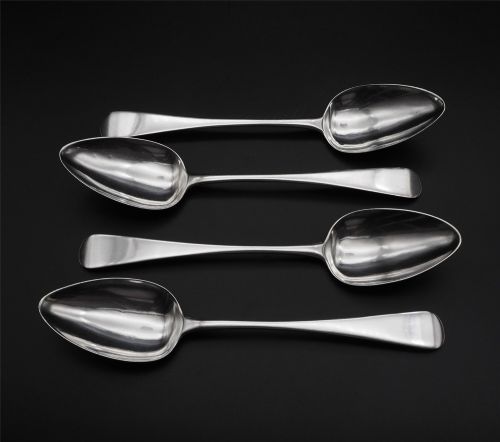
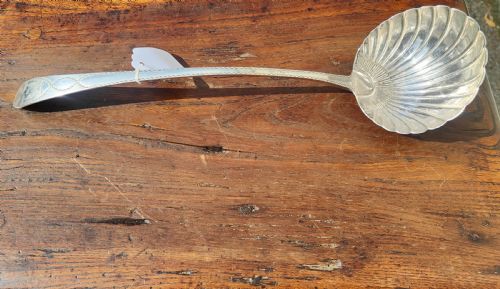
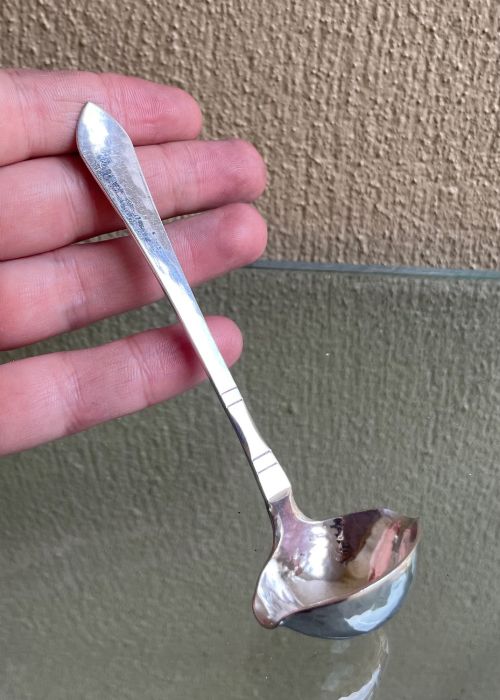
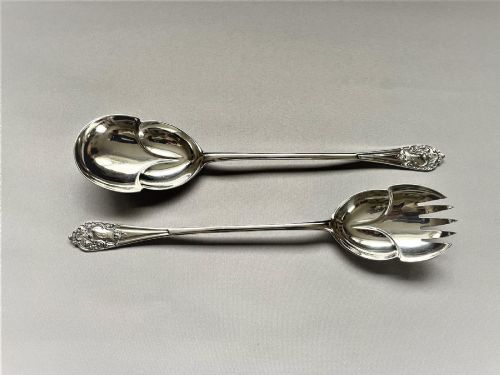
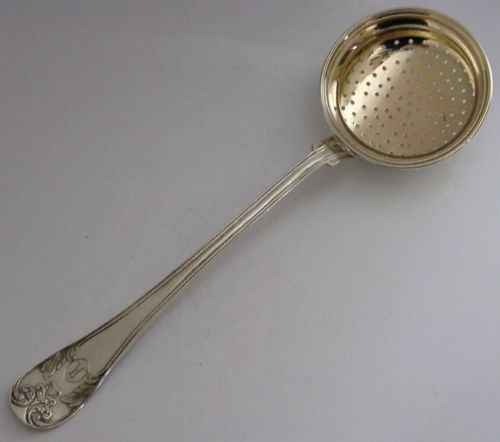
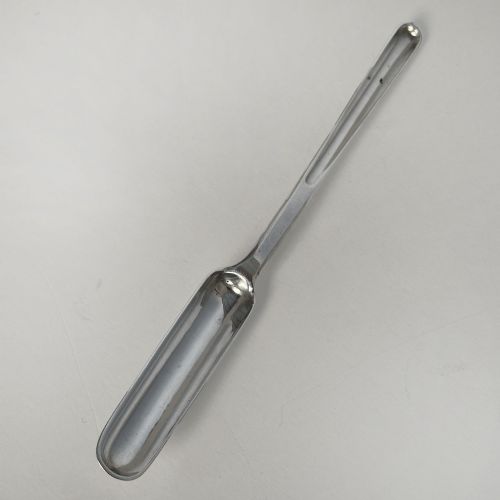
Vintage serving flatware encompasses specialised utensils designed for specific culinary tasks at the dining table, ranging from large communal spoons to delicate tongs and forks. When searching for vintage serving flatware, buyers encounter forms intended for serving fish, asparagus, sugar, cheese, and pastries.
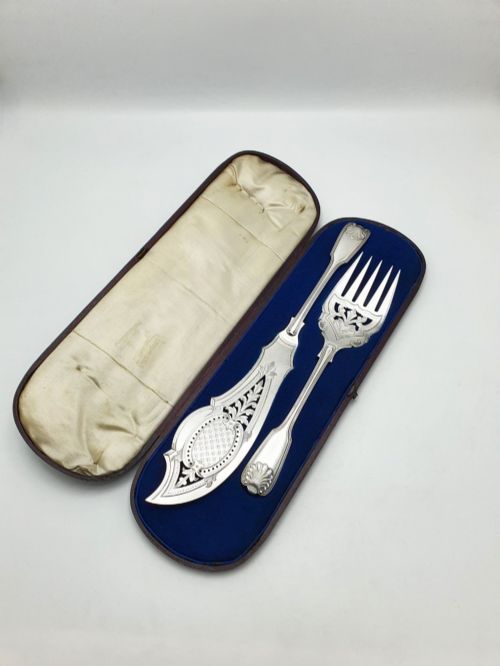
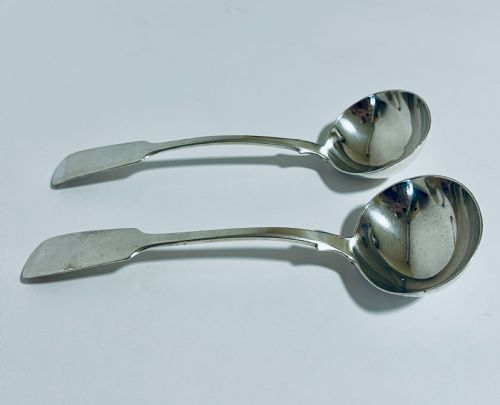
The pieces on this page draw from periods spanning the Georgian era through the mid-twentieth century, with strong representation from Victorian and Edwardian workshops. Common configurations include cased sets for fish, salad, and dessert, alongside individual ladles and servers.
Origins span British provincial and metropolitan assay offices, alongside continental European makers and Scandinavian modernist design. Silver plate and sterling silver form the backbone of the selection, occasionally paired with organic handles of mother of pearl or antler.
Materials and construction methods
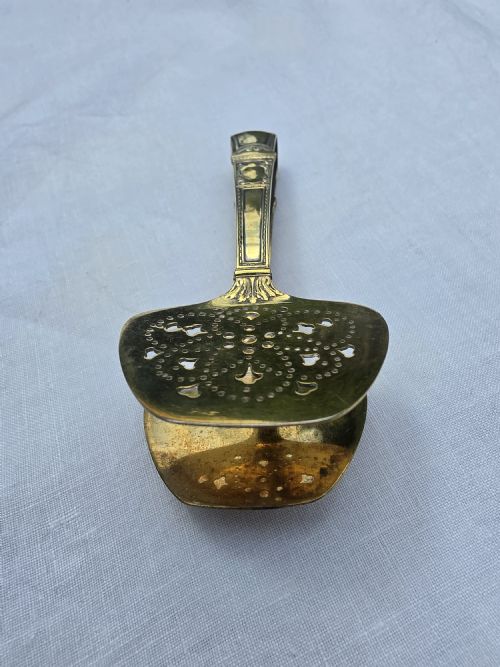
Construction relies heavily on solid sterling silver and silver plate over base metals, shaped through casting, hammering, and piercing. Blades and bowls often feature hand-engraved scrollwork or pierced decoration.
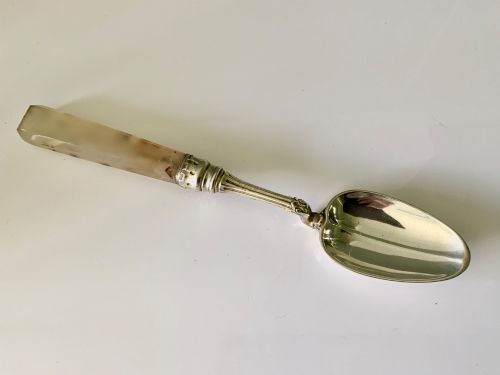
Handles introduce contrasting textures through materials such as mother of pearl, agate, silk, and velvet linings within presentation cases. Specialised items like grape shears and fish servers utilise hinged mechanisms and reinforced collars.
Vintage Serving Flatware Retail Price Guide 2026
Typical asking prices for vintage serving flatware among the pieces listed under this phrase on Sellingantiques today, from the lower quarter to the upper quarter. They describe what is for sale here now, not the wider market.
Materials represented include sterling silver, silver plate, silver gilt, mother of pearl, velvet, silk, and solid silver.
Judging quality and execution
Quality rests on the crispness of piercing, the gauge of the silver, and the balance of the utensil in the hand. Substantial weight in solid silver pieces indicates durability and superior metal content.
The integration of organic grip materials, such as well-matched mother of pearl or genuine antler, distinguishes finer examples from standard production. Intricate hand-engraving and clear hallmarks further separate workshop pieces from mass manufacturing.
Elizabeth Eaton London·Georg Jensen·Tiffany and Company·Jonathan Hayne·William Devenport
The Vintage Serving Flatware Glossary
- Sterling silver
- A silver alloy containing 92.5 percent pure silver by mass, standard for quality British tableware. Hallmarks verify this standard.
- Silver plate
- A layer of silver fused to a base metal core, offering the appearance of solid silver. It appears frequently in nineteenth-century fish and dessert sets.
- Silver gilt
- Silver that has been coated with a thin layer of gold on the surface. This technique provides a rich two-tone finish often seen on pastry and serving servers.
- Bifurcate spoon
- A specialised spoon featuring a split or two-pronged tip designed for handling specific foods. It bridges the function of a spoon and a fork.
Vintage Serving Flatware: Frequently Asked Questions
How do I use vintage serving flatware today?
These pieces integrate naturally into modern dining for serving salads, cheeses, fish, and desserts at the table. Their specific forms make them well-suited for hosting and formal meals.
Care requires hand washing with mild soap to protect older materials like silver plate, mother of pearl, or velvet-lined boxes from damage.
What is the difference between sterling silver and silver plate?
Sterling silver consists of solid precious metal marked with official government assay stamps indicating its silver content. It holds intrinsic value and polishes up reliably over generations of use.
Silver plate applies a thin coat of silver over a base metal, such as copper or nickel brass. Over decades of polishing, the underlying metal may eventually show through the silver layer.
How do I identify the date of a piece?
British pieces carry hallmarks that include date letters, maker marks, and symbols indicating the assay office and silver standard. Consulting regional punch records allows precise dating down to the exact year of manufacture.
Continental and later modernist items often rely on maker signatures, style markers, or patent numbers stamped directly into the metal.
Why are some pieces found in fitted boxes?
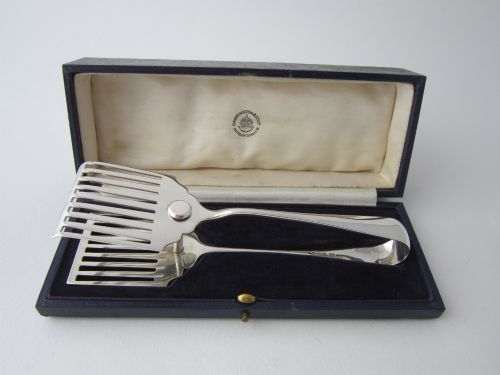
Fitted presentation cases lined with silk or velvet were designed to protect delicate serving sets, particularly those featuring organic handles like mother of pearl or ivory. These boxes kept multi-piece sets, such as fish servers or cake forks, complete and secure between formal occasions.
Survival in an original case often indicates careful preservation by previous owners and adds context to the set's domestic history.