

Vintage Serving Dishes
These vintage serving dishes span centuries of dining, offering practical beauty for the table through porcelain, silver plate and earthenware.
Vintage Serving Dishes
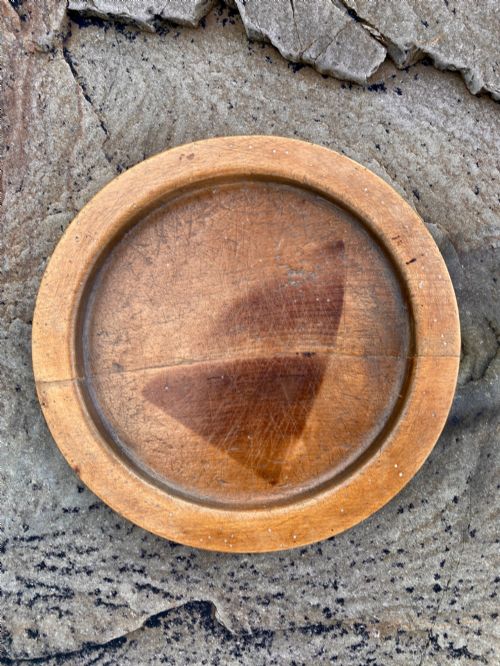
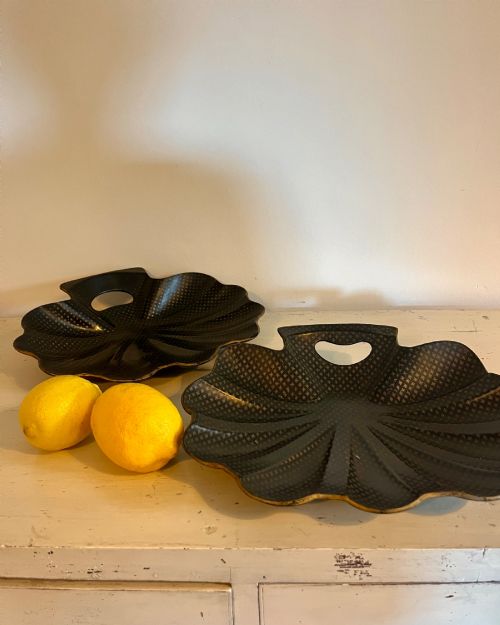
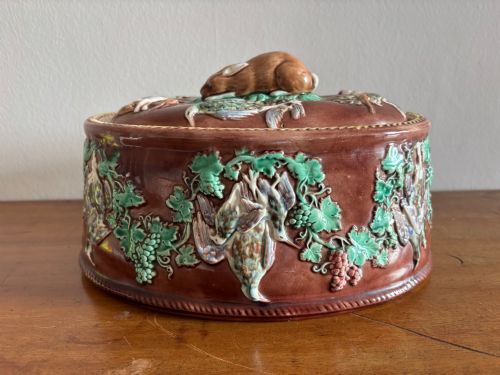
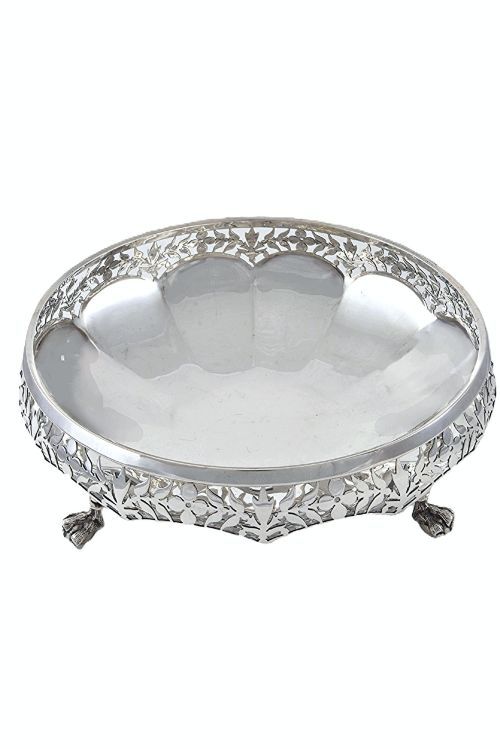
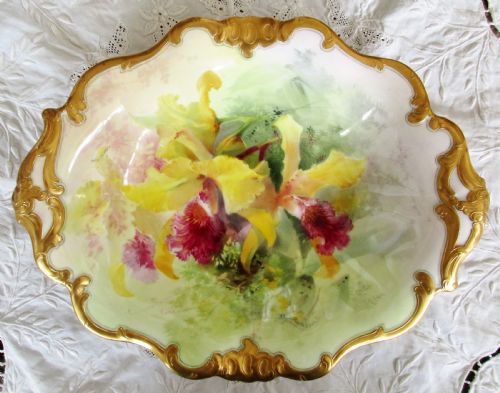
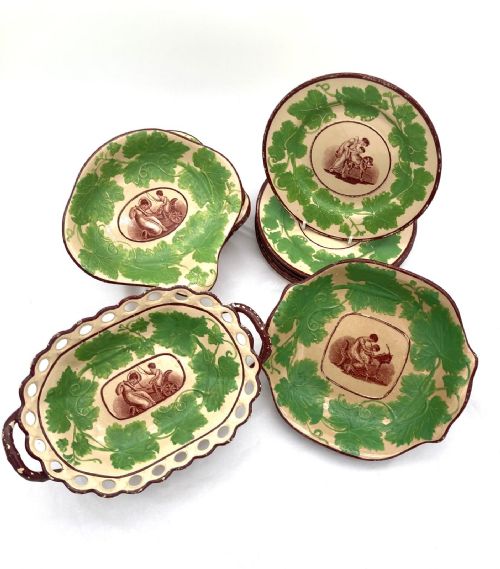
When searching for vintage serving dishes, buyers encounter a diverse selection of utilitarian and decorative vessels designed for presenting food at the table. The listings feature platters, tureens, vegetable dishes, bowls and trays spanning the eighteenth to the twentieth centuries. These objects reflect the changing domestic habits and dining customs of Georgian, Victorian, Edwardian and Art Deco households.
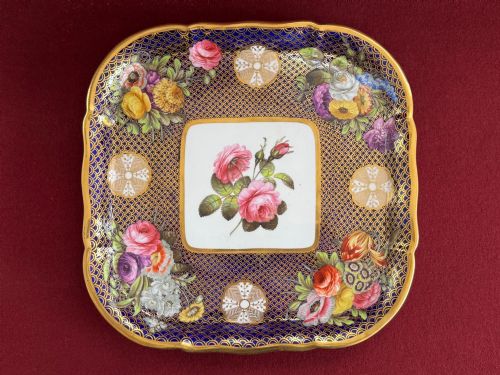
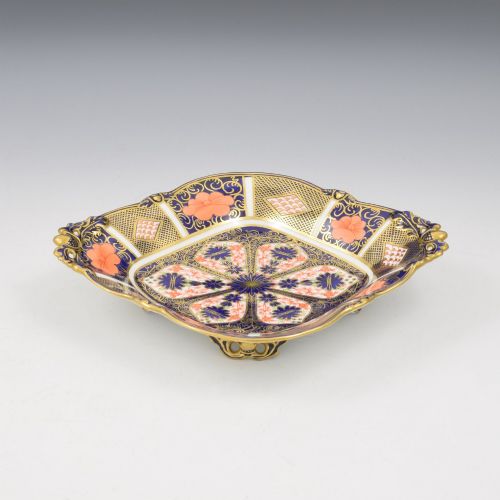
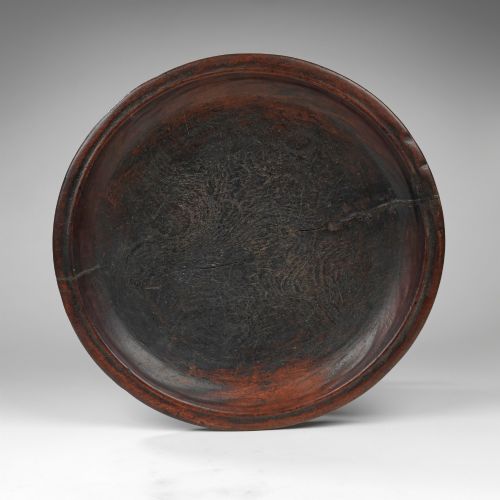
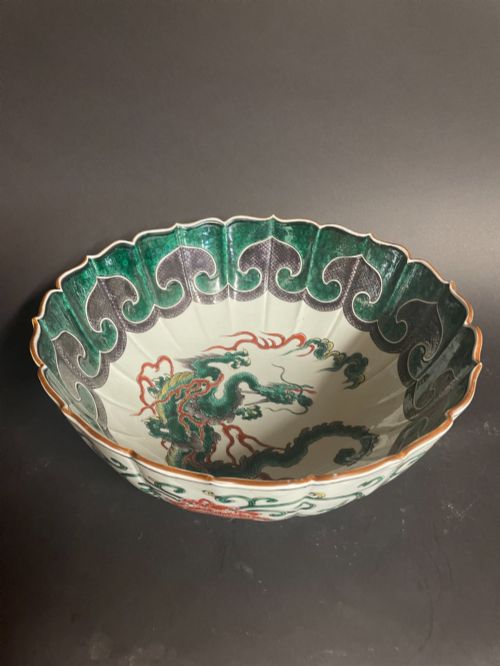
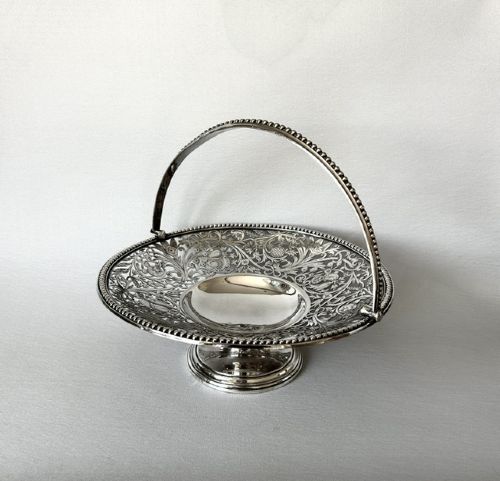
Porcelain and earthenware versions from English potteries such as Spode, Coalport, Wedgwood and Royal Crown Derby appear frequently alongside silver plated items by makers like Mappin & Webb and Christofle. Buyers also find Japanese Meiji period Imari porcelain, French faience, pewter and turned wood. These pieces served practical roles in domestic service, functioning as meat platters, game pie dishes, cheese dishes and fruit baskets.
How they were made
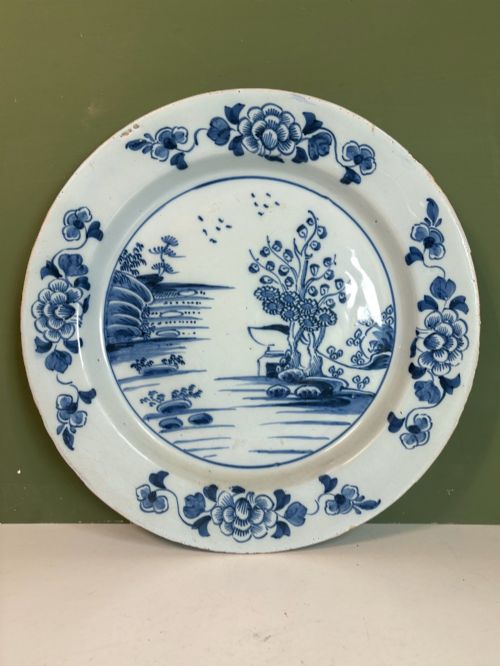
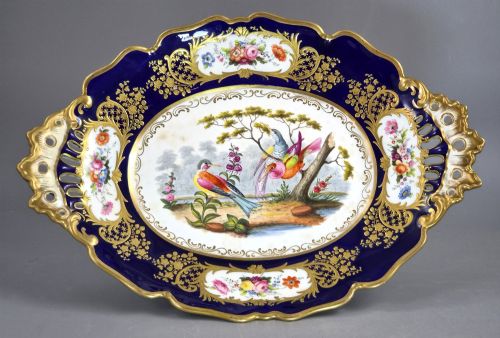
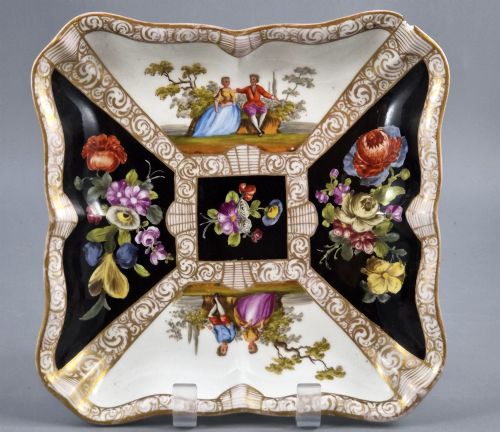
Pottery and porcelain pieces rely on ceramic manufacturing techniques including transfer printing, hand-painting, gilding with gold leaf and applying coloured glazes. Makers shaped earthenware and porcelain bodies before firing them in kilns, often decorating the surfaces with cobalt blue designs, floral motifs or scenic transfers.
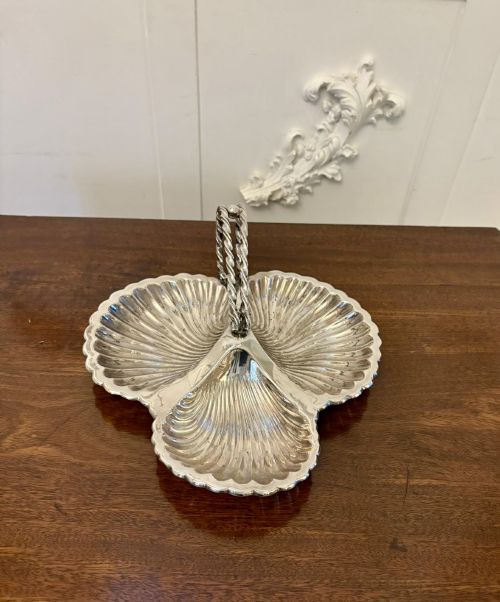
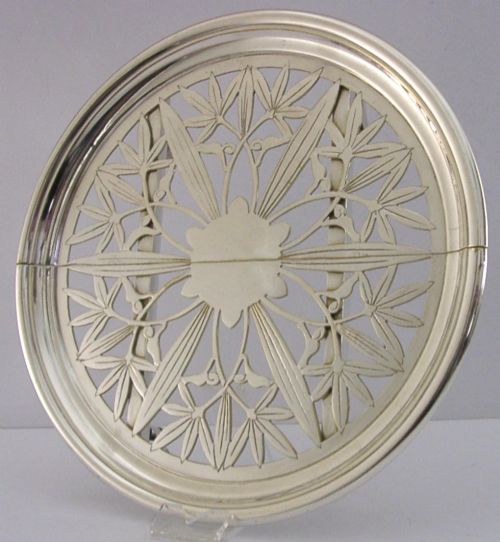
Metal items utilise silver plating over base metals, copper working and pewter casting, frequently incorporating pierced decoration, engraved details or swing handles. Glass and crystal vessels involve cutting, moulding and mounting in ormolu or metal frames.
Vintage Serving Dishes Retail Price Guide 2026
Typical asking prices for vintage serving dishes among the pieces listed under this phrase on Sellingantiques today, from the lower quarter to the upper quarter. They describe what is for sale here now, not the wider market.
Materials span silver plate, earthenware, enamel, porcelain, copper, pewter, oak and cut glass across multiple centuries.
What varies in quality
Quality in these vessels depends upon the crispness of the moulding, the detail and registration of transfer prints, and the precision of hand-painted decoration or gilding. Superior ceramic pieces display fine paste bodies and stable glazes without firing distortions.
Metalwork quality shows in the weight and durability of the silver plating, the security of construction in extending stands or handles, and the depth of chased or pierced ornamentation.
Spode·Mappin & Webb·Royal Crown Derby·Coalport·Meissen·Wedgwood·Christofle·Minton·Elkington
The Vintage Serving Dishes Glossary
- Transferware
- Pottery decorated by applying a printed design from an engraved copper plate onto the ceramic surface using tissue paper. This technique allowed intricate patterns such as blue and white landscapes to be produced consistently.
- Tureen
- A deep, covered vessel designed for serving soups, stews or vegetables at the table. These often sit on matching platters.
- Imari
- Japanese porcelain decorated in underglaze blue, iron red and gold, featuring complex floral and geometric panels. The style became immensely popular in European dining rooms.
- Silver Plate
- A base metal such as copper or Britannia metal coated with a thin layer of silver through electroplating or older fusion methods. It provided the appearance of solid silver for large dining items.
Vintage Serving Dishes: Frequently Asked Questions
How are antique serving dishes used today?
These vessels transition easily from display pieces into functional tableware for modern dining and entertaining.
Larger platters and tureens hold roasts, vegetables or side dishes, while smaller bowls and trays serve fruit, bread or desserts.
Are silver plated dishes safe for food?
Most silver plated items from the Victorian and Edwardian periods remain suitable for serving dry foods or prepared dishes.
Care should be taken with acidic foods to protect the underlying plating from tarnishing or wear over time.
How do I identify the period of a ceramic dish?
Makers marks stamped or printed on the underside of ceramics provide the primary clue for dating a piece.
Style indicators, such as the palette of transferware or the moulded shape, also help narrow down the decade of manufacture.
Can antique porcelain dishes go in the dishwasher?
Antique porcelain and earthenware require hand washing with mild soap and warm water to preserve their glazes and gilding.
Harsh detergents and mechanical dishwashers will cause irreversible damage to hand-painted details and gold leaf.