


Vintage Service Watch
These vintage service watch examples span utilitarian military issues from the 1940s and elegant dress pieces from the 1930s, offering genuine historical utility on the wrist.
Vintage Service Watch
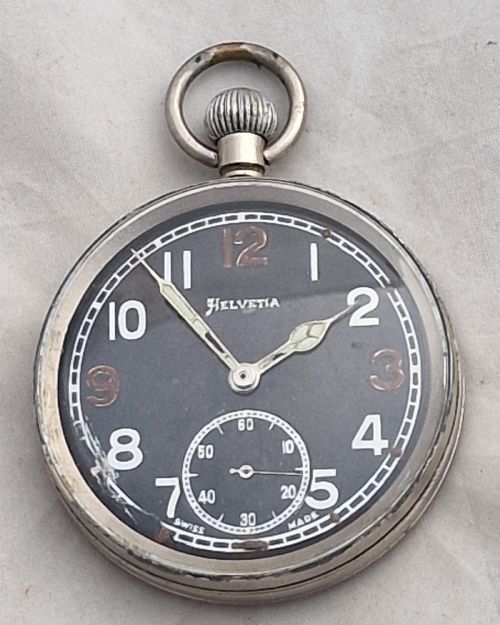
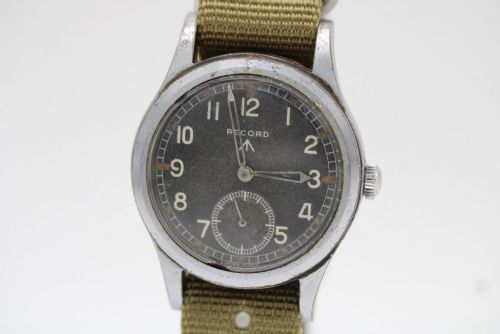
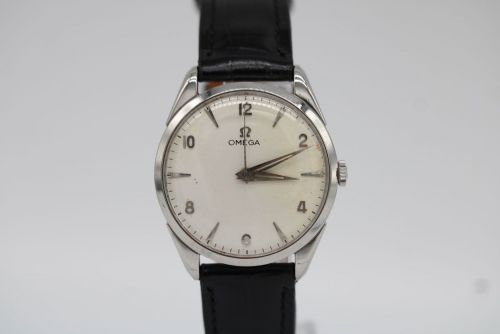
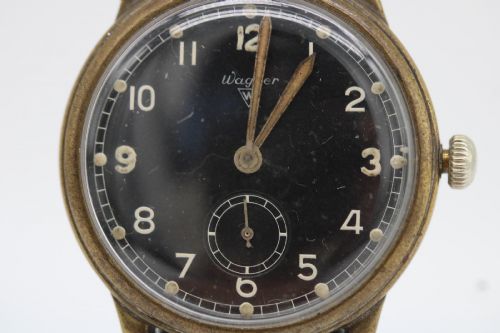
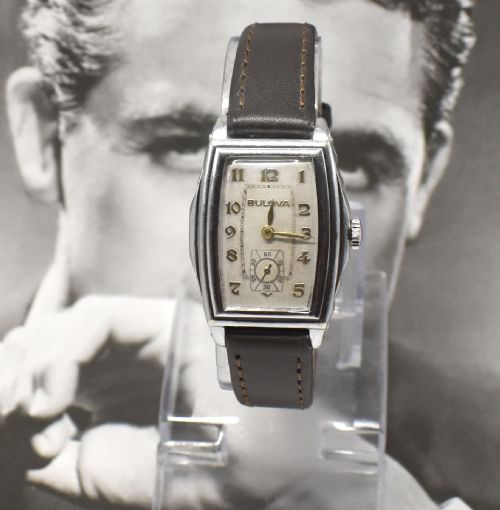
When you search for a vintage service watch, you encounter a distinct mix of rugged military timepieces and refined mid-century or Art Deco dress models. The military pieces stem largely from the 1940s, encompassing British, German, and Swedish service issues designed for exact legibility and robust performance.
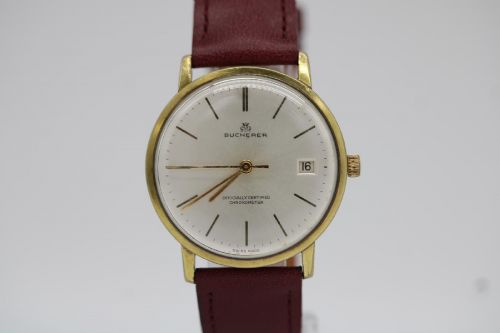
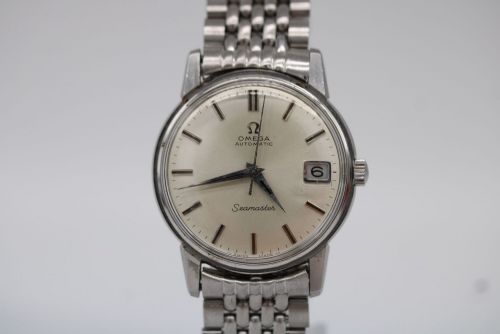
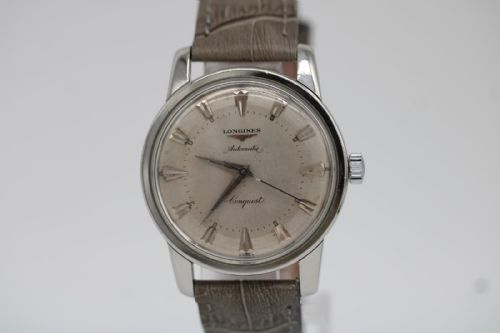
Alongside these field instruments, the category includes civilian manual wind and automatic wristwatches from the 1920s through the 1960s that have undergone mechanical servicing. You are most likely to meet stainless steel, gold-plated, or chrome cases housing reliable mechanical movements bearing the marks of active decades.
Materials and construction
The construction relies heavily on robust metals like stainless steel, chrome, and brass for utility pieces, while dress watches frequently utilise gold plate and gold fill over base metals. Dials are protected by glass or acrylic crystals, paired with leather straps or metal bracelets.
Movements are mechanical, driven by manual wind or automatic calibres that require careful gear coordination and jewelled bearings. Military specifications demand sturdy case construction to withstand dust and moisture, whereas dress pieces prioritise slim profiles and decorative Art Deco lines.
The listings here draw from decades spanning the 1920s to the 1960s, utilising stainless steel, gold plate, brass, and leather.
Factors of quality
Quality in these timepieces rests upon the originality of the dial and hands, alongside the mechanical integrity of the movement. Pieces retaining their factory dials and crisp case engravings command greater respect from collectors than those with heavily refinished components.
The precision of the movement and the standard of recent servicing dictate day-to-day reliability. Well-preserved original finishes on gold-plated or steel cases separate standard utility items from superior collector grades.
Helvetia·Record·Bucherer·Omega·Wagner·Longines·Elgin·Revue·Vertex·Tritona·Bulova·Benrus·IWC·Breitling·Rolex·Geneve
The Vintage Service Watch Glossary
- Manual wind
- A mechanical watch movement that requires the wearer to manually turn the crown to tension the mainspring. This traditional system powers many 1940s military and Art Deco timepieces.
- Calibre
- The specific internal movement designation used by a manufacturer to identify a particular watch mechanism. Collectors use this number to trace the exact lineage and specification of the machinery.
- Gold filled
- A manufacturing technique where a thick layer of solid gold is mechanically bonded to a base metal core. This provides greater durability and wear resistance than standard gold plating.
- Military issue
- Timepieces commissioned by government defence departments for armed forces personnel. These pieces often feature specific service markings, caseback engravings, or broad arrow symbols on the dial.
- Patina
- The natural ageing of dials, hands, and metal surfaces over decades of exposure to light and air. This subtle discoloration or warmth is valued by collectors as proof of authenticity.
Vintage Service Watch: Frequently Asked Questions
How do I wind a manual watch?
Turn the crown clockwise between your thumb and forefinger until you feel gentle resistance. Stop immediately at that point to avoid over-tensioning the mainspring.
Perform this action at roughly the same time each day to maintain steady power delivery and accurate timekeeping.
Can I wear my vintage watch daily?
Many of these pieces were built for rigorous daily service, particularly the steel military issues. However, older watches lack modern water resistance and shock-absorbing technology.
Keep them away from swimming, heavy impacts, and strong magnetic fields to preserve their delicate internal gears.
What does serviced mean on a watch?
A service involves a professional watchmaker dismantling the movement, cleaning each component in specialised solutions, replacing worn parts, and reassembling with fresh lubricants. The mechanism is then calibrated for accurate timekeeping.
This essential maintenance ensures the vintage movement runs smoothly without grinding down fragile metal teeth.
How do I identify a military watch?
Military timepieces usually display specific government property marks, serial numbers, or military codes stamped onto the outer caseback. The dials are designed for high contrast and legibility, often lacking ornate decorations.
Many period examples also feature specific broad arrow symbols or department stamps associated with armed forces procurement.