

Vintage Sepia Prints
Vintage sepia prints capture monochrome tones across paper and card, offering historic subjects ranging from architectural designs to classic portraits.
Vintage Sepia Prints
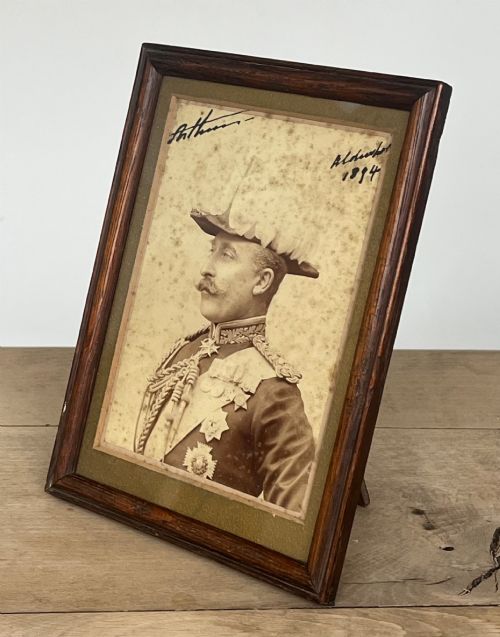
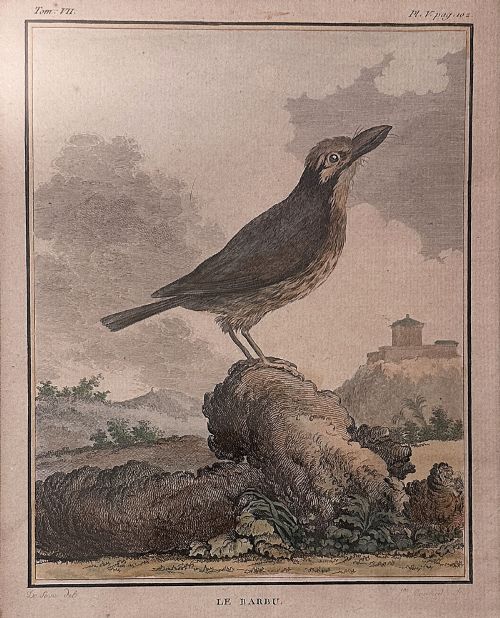
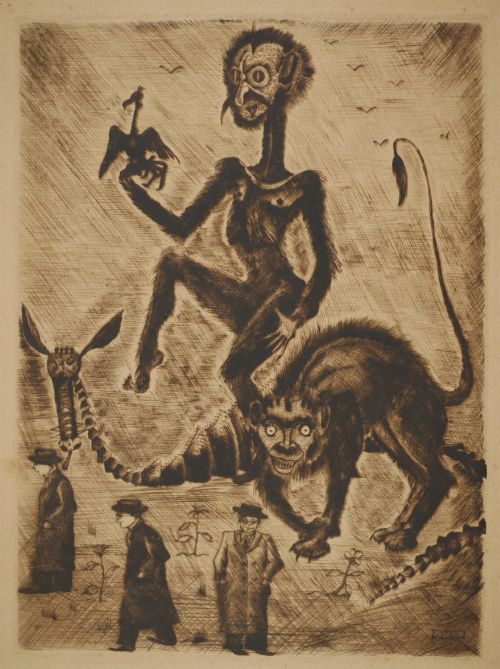
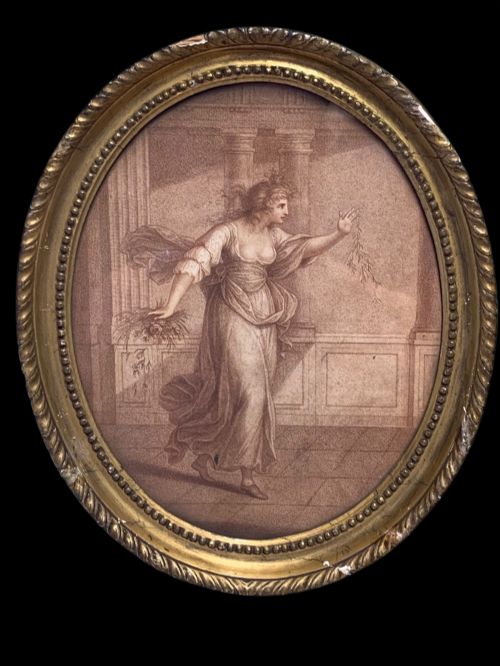
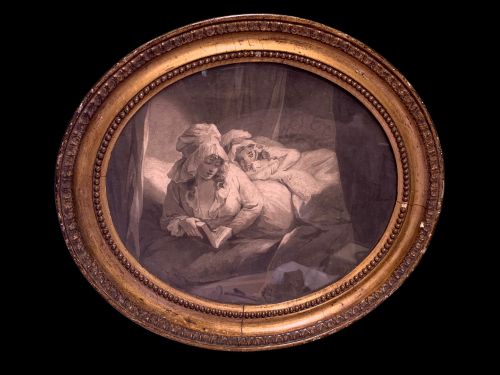
When searching for vintage sepia prints, a buyer encounters a diverse selection of wall art including etchings, engravings, watercolours, and early photographs. These works span from the eighteenth century through to the Edwardian period and the nineteen-thirties, reflecting varied aesthetic movements such as Neoclassical, Victorian, and Art Deco.
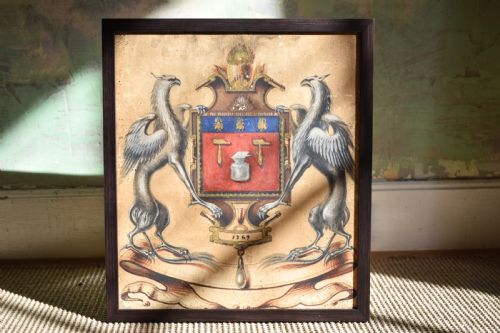
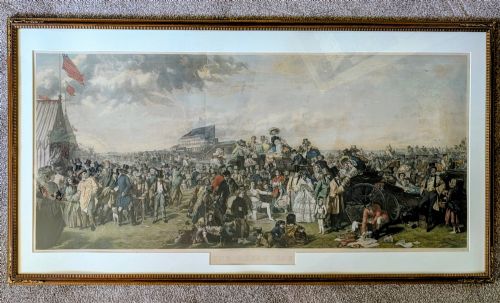
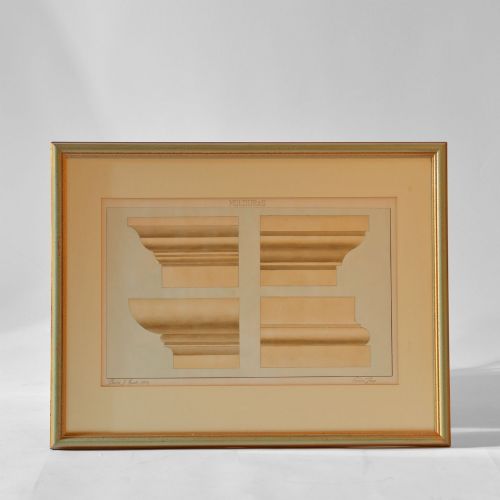
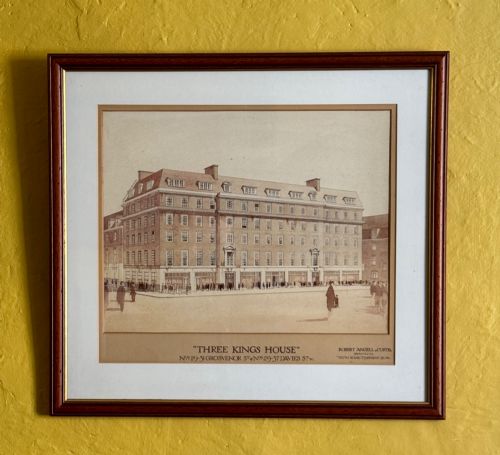
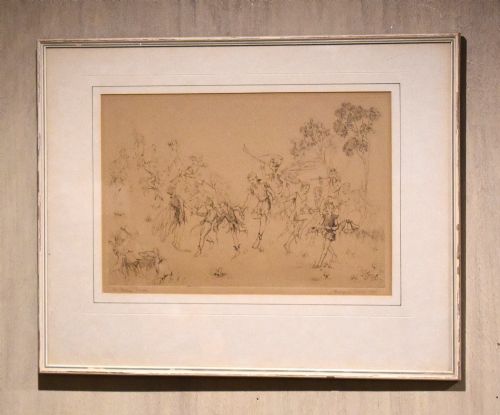
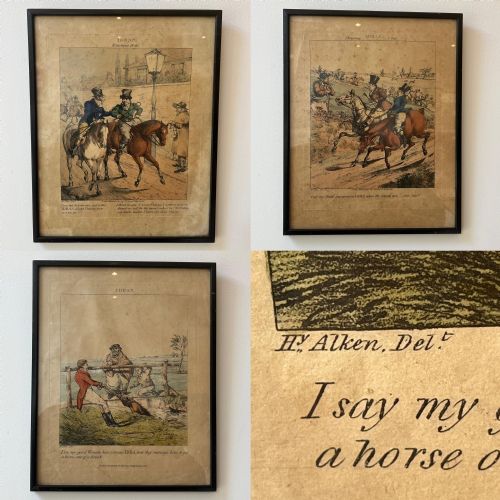
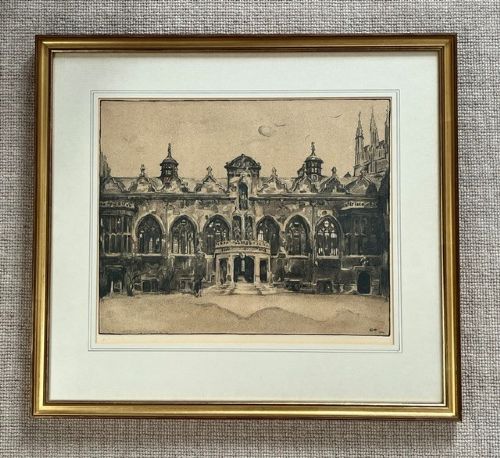
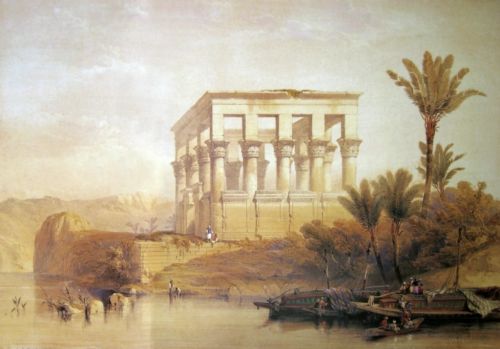
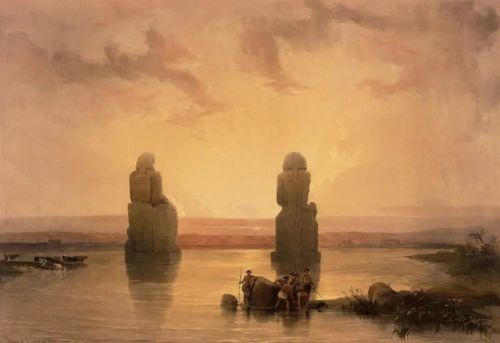
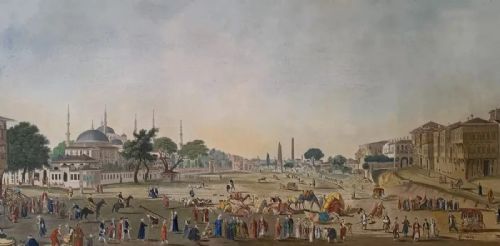
The subjects depicted on this page are broad, encompassing architectural drawings, equestrian scenes, topographical views, and figurative studies. Many examples arrive in their original frames, constructed from materials like oak and giltwood, which complement the monochrome palette of the artwork within.
Originating from British and European workshops, these pieces demonstrate the widespread popularity of monochrome printing and drawing techniques across multiple centuries. A buyer finds both intimate portraiture and large-scale illustrative plates, each retaining the characteristic brown and cream tones associated with age.
Materials and Technique
The physical foundation of these works relies upon quality paper and card, which receive inked impressions from engraved plates, lithographic stones, or photographic emulsions. Artists and printers utilised ink and watercolour to build tonal depth, sometimes adding hand-colouring to accentuate specific details within the composition.
Frames play a crucial role in the survival of these pieces, utilising woods such as oak and gilded mouldings to protect the delicate paper surfaces behind glass. The combination of traditional printmaking methods and period framing ensures that each item retains its structural integrity.
Vintage Sepia Prints Retail Price Guide 2026
Typical asking prices for vintage sepia prints among the pieces listed under this phrase on Sellingantiques today, from the lower quarter to the upper quarter. They describe what is for sale here now, not the wider market.
A nineteenth-century print records a bull bitch named Lucy, bred by Mr Howard and owned by Mr Bond.
Distinctions in Quality
Quality within this category depends upon the clarity of the printed line and the preservation of the paper support, where strong contrasts and minimal fading distinguish finer impressions. The presence of artist signatures, original contemporary framing, and documented provenance further elevate certain examples above standard decorative plates.
Skilful execution in preparatory watercolours or hand-tinted elements demonstrates superior craftsmanship from the period, separating master printmakers and draughtsmen from commercial workshops.
Marjorie L Davies·Kurt Lorein Victor Peiser·Sir William Nicholson·William Powell Frith·David Roberts·Anton Ignaz Melling·Herbert Dicksee·Louis Icart·Julian Mandel·James Dobie·W Dendy Sadler·Snaffles
The Vintage Sepia Prints Glossary
- Etching
- A printmaking process where lines are bitten into a metal plate with acid before ink is applied and transferred to paper. This technique allows for fine, expressive detail.
- Engraving
- A method of cutting a design directly into a hard plate using a burin to hold the ink. It produces clean, precise lines on the printed sheet.
- Lithography
- A planographic printing process based on the repulsion of oil and water on a prepared stone or metal plate. It became popular for reproducing illustrative art.
- Stipple
- A printmaking technique using dots to create tonal gradations and shadows rather than continuous lines. It creates a soft, painterly effect.
- Giltwood
- Wood that has been coated with a thin layer of gold leaf or gilt paint. It is frequently found on traditional picture frames from the eighteenth and nineteenth centuries.
Vintage Sepia Prints: Frequently Asked Questions
How should I hang vintage prints?
Protect these works from direct sunlight to prevent the paper and ink from fading over time. Maintain stable indoor humidity levels to safeguard both the paper and the original wooden or gilt frames.
Use secure wall fixings appropriate for the weight of the framed artwork. Ensure that the glass does not directly touch the surface of the print during mounting.
Are these pieces original?
The inventory comprises period pieces created during the eighteenth, nineteenth, and early twentieth centuries. Each listing reflects the specific era of its production, from early engravings to vintage photographic prints.
Techniques and materials align with historical standards of their respective decades. Original frames often accompany the artwork, adding context to the period.
What subjects are most common?
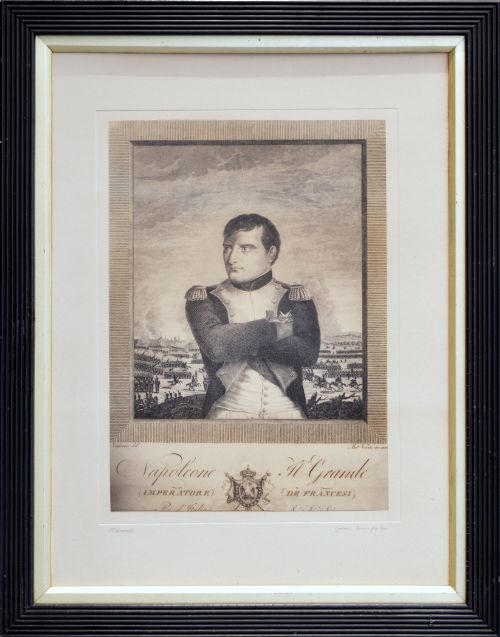
Common subjects include architectural designs, topographical views, portraits, and animal studies such as racehorses and birds. Illustrative works from Victorian and Edwardian publications also feature prominently.
Military scenes, town plans, and figurative art represent the broader scope of nineteenth-century visual culture. Each category offers a glimpse into the aesthetic priorities of its time.
How do I identify the age?
Dating relies on the style of the artwork, the type of paper support, and the characteristics of the framing methods. Signatures, inscriptions, and printing techniques often provide specific chronological clues.
Comparative analysis with documented periods such as Georgian, Victorian, or Art Deco helps narrow the timeframe. Printers and artists active within specific dates further refine the origin.