

Vintage Sculpture Decor
Vintage sculpture decor brings character to interiors through varied forms in bronze, wood, and marble.
Vintage Sculpture Decor
Vintage sculpture decor encompasses three-dimensional artworks and decorative objects used to enrich interior spaces. Pieces span from the nineteenth century through the mid-century period, reflecting shifts in taste across decades.
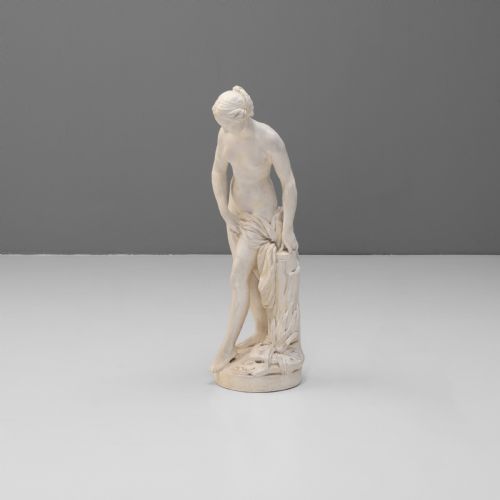
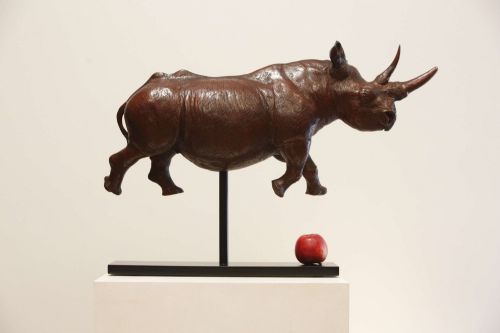
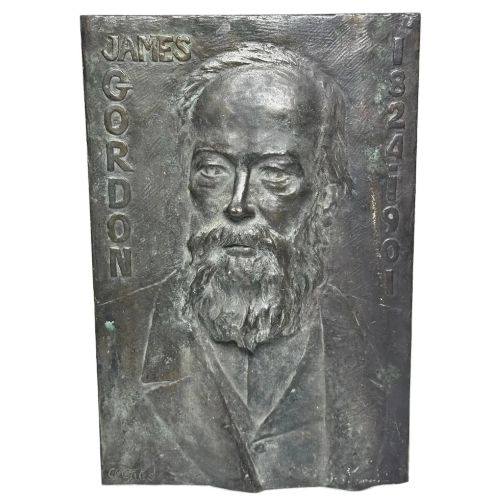
Buyers encounter animal figures, human busts, architectural fragments, and literary subjects in this category. Works range from modest desk ornaments to large statues intended as focal points in a room.
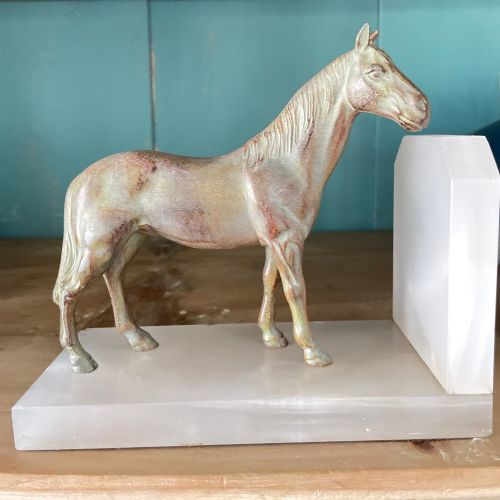
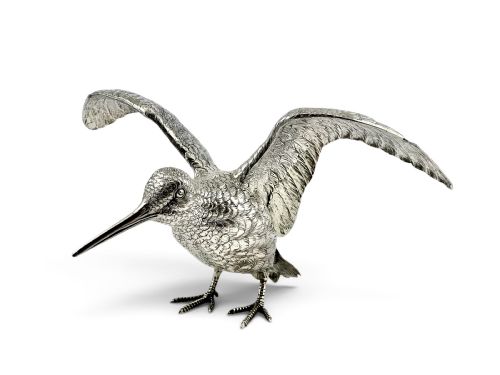
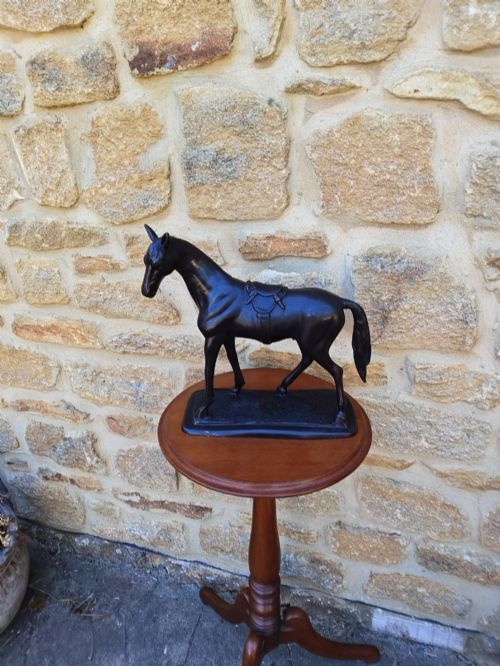
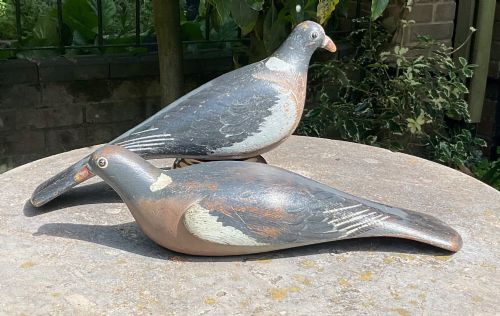
Art Deco and Edwardian examples sit alongside folk art and Black Forest carvings on this page. Animalier studies of horses, birds, and big cats dominate the forms available.
How they were made
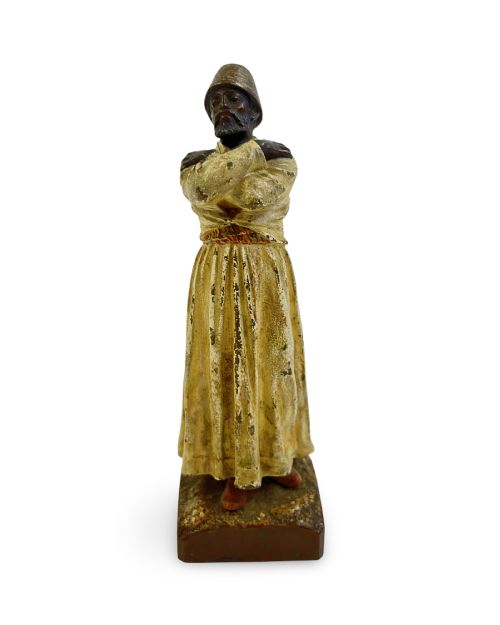
Foundry casting brought bronze, iron, and spelter into shape, often followed by cold-painted finishes or patination. Metalwork requires molten pouring into moulds, capturing fine details in man and beast.
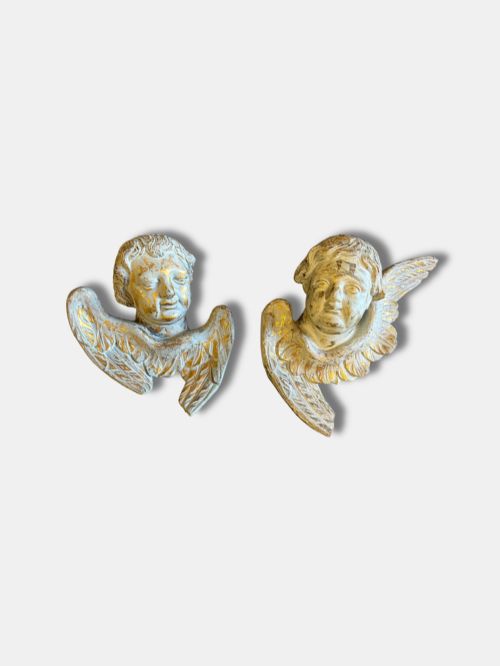
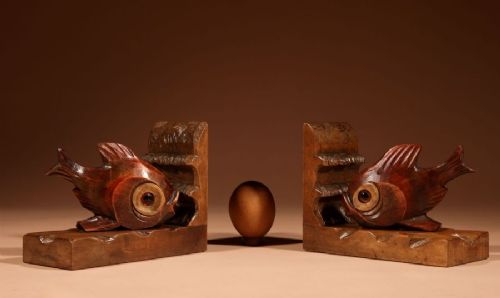
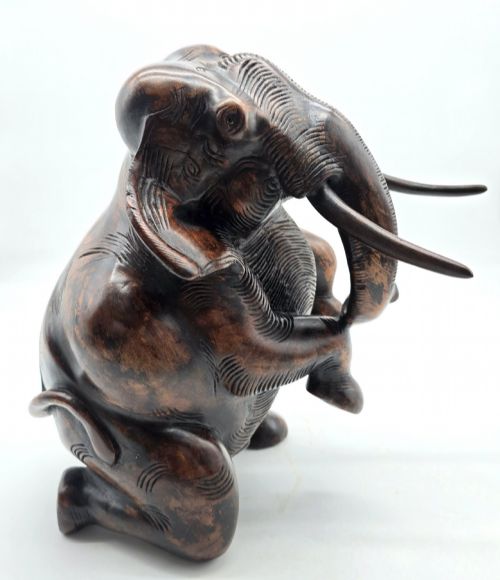
Carving employed timber, linden wood, sycamore, and stone, shaped with gouges and chisels by hand. Black Forest carvers and folk artists favored organic materials for animal figures and decorative boxes.
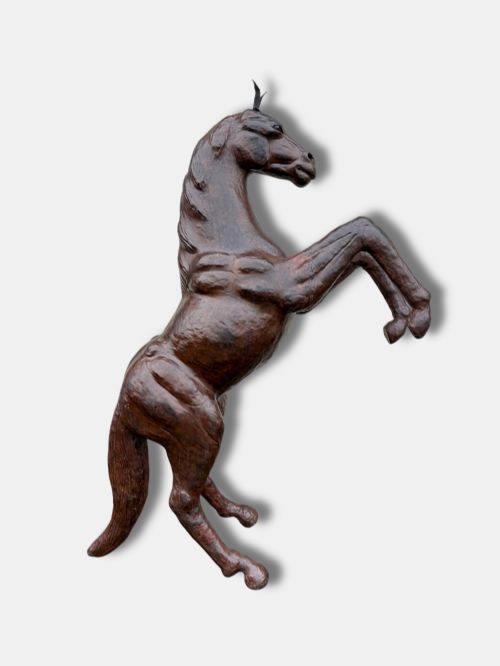
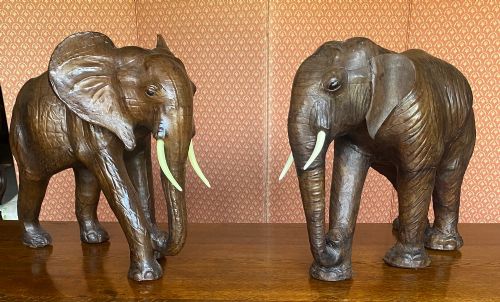
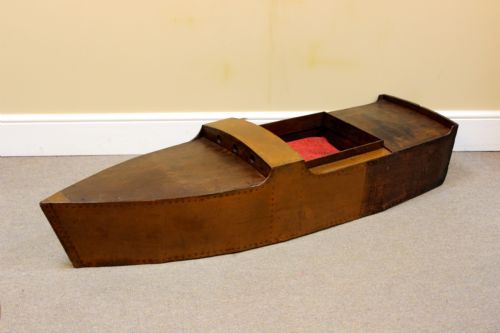
Leather-covered pieces utilised stitched hides built over rigid internal frames, frequently associated with Liberty of London productions. Ceramic and marble elements incorporated moulding, glazing, and stone-cutting techniques.
Vintage Sculpture Decor Retail Price Guide 2026
Typical asking prices for vintage sculpture decor among the pieces listed under this phrase on Sellingantiques today, from the lower quarter to the upper quarter. They describe what is for sale here now, not the wider market.
Listings feature works from the 19th century, Edwardian era, 1920s, and 1930s in bronze, wood, marble, and leather.
What varies in quality
Quality rests upon the fidelity of the modelling and the crispness of the casting or carving. Skilled hands render muscle tone, feathers, and facial expressions with anatomical conviction rather than general suggestion.
Material selection divides standard utilitarian items from finer studio or foundry pieces. Dense hardwoods, heavy bronze, and genuine marble impart weight and longevity absent in lighter substitutes.
The finish and surface paturation dictate visual success. Original cold-paint, rich patinas, and carefully preserved tool marks elevate an object from simple manufacturing to collectible artistry.
Liberty of London·Royal Worcester·Franz Bergman·Pierre Lenordez
The Vintage Sculpture Decor Glossary
- Animalier
- A nineteenth-century artistic movement dedicated to the realistic portrayal of animals, particularly in bronze. Sculptors in this tradition focused on the kinetic energy of beasts in motion.
- Spelter
- An alloy of zinc and copper used as an economical alternative to bronze during the late nineteenth and early twentieth centuries. It accepts patination well to simulate heavier metals.
- Black Forest
- Carved wooden items originating from the mountainous region of central Europe, famous for bears and woodland animals. These objects utilise linden wood and exhibit deep relief detailing.
- Memento mori
- An artistic or symbolic reminder of the inevitability of death. Such items often incorporate skeletal motifs designed to prompt reflection.
- Patina
- The surface sheen and colour acquired by materials through age, handling, and environmental exposure. A desirable patina shows historical depth without obscuring original detail.
Vintage Sculpture Decor: Frequently Asked Questions
What materials are common in vintage sculpture decor?
Bronzes, cast iron, and carved woods like sycamore and linden appear frequently across the selection. Marble, leather, and painted ceramics also feature prominently in these decorative objects.
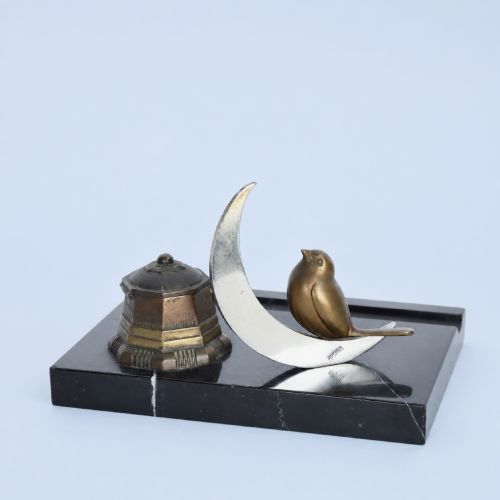
Heavier pieces often combine materials, such as bronze figures mounted on marble desk tidies or stone bases.
How do I distinguish Art Deco sculptures?
Art Deco pieces typically display clean geometric lines, stylised animal forms, and stylised female nudes from the 1920s and 1930s. Materials like cold-painted bronze, black marble, and spelter are characteristic of this movement.
The designs emphasise streamlined silhouettes and modern elegance, differing sharply from Victorian ornamentation.
Where were Black Forest carvings made?
These wooden carvings originated in the forested mountain regions of central Europe, particularly Switzerland and Germany, during the late nineteenth and early twentieth centuries. Local artisans specialised in linden wood sculptures of bears, dogs, and forest creatures.
Items ranged from small bookends and tobacco boxes to large hall furniture.
How should I clean bronze sculptures?
Dust bronze surfaces gently with a soft, dry cloth to prevent the accumulation of grit. Avoid using harsh chemical cleaners or water, which can strip the historical patina.
Preserving the original surface sheen requires minimal intervention and occasional light waxing where appropriate.