

Vintage Scrolled Back Chair
A vintage scrolled back chair brings unmistakable period character to a room, offering both sculptural presence and practical seating.
Vintage Scrolled Back Chair
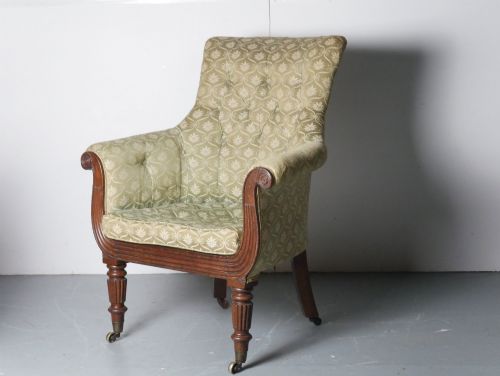
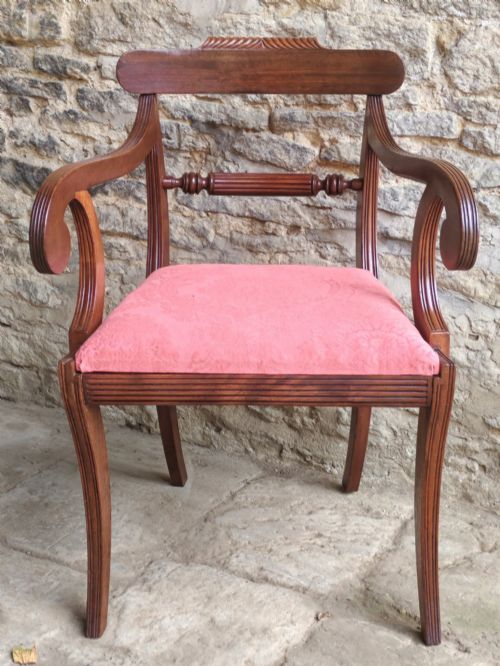
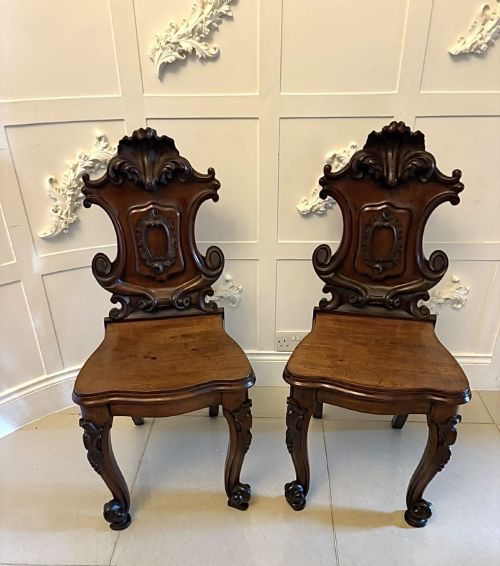
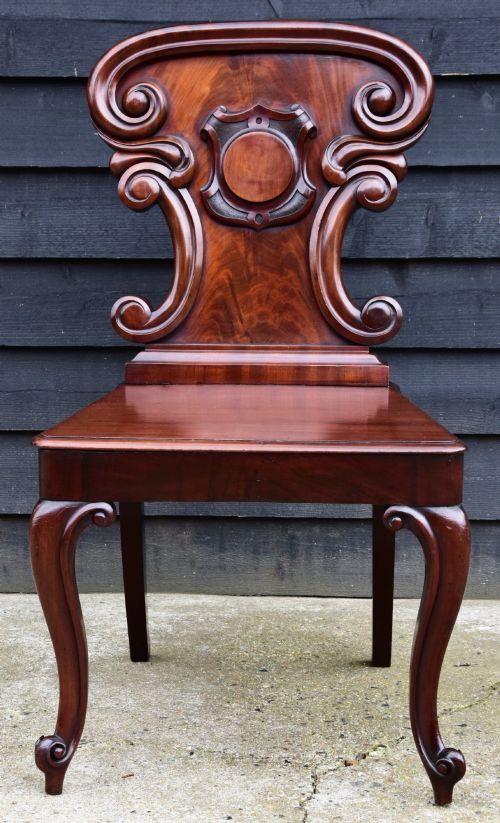
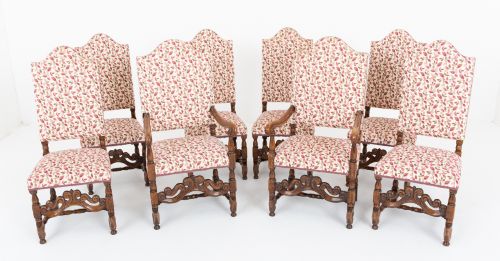
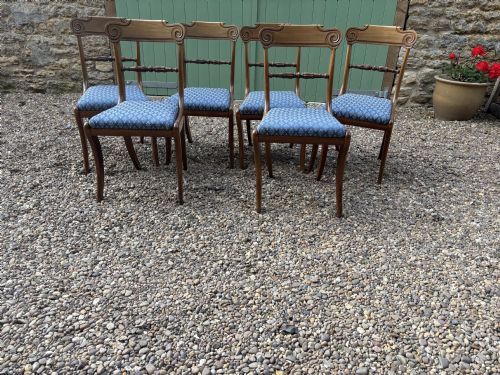
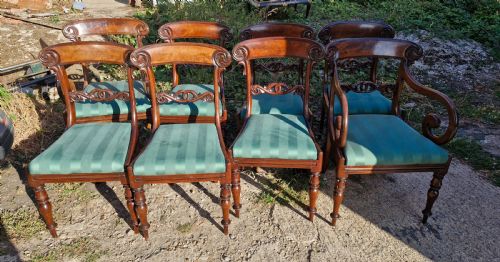
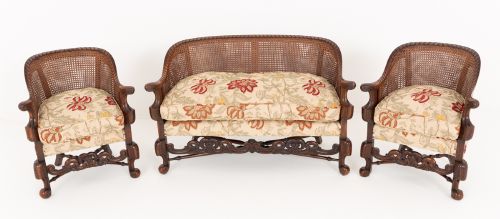
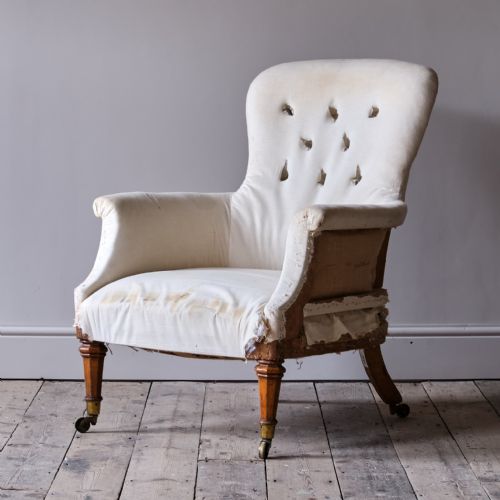
When searching for a vintage scrolled back chair, buyers encounter a diverse selection of seating originating from the nineteenth century through to the early twentieth century. These pieces appear most frequently as mahogany dining chairs, occasional chairs, and library armchairs displaying characteristic carved or curved scroll backrests.
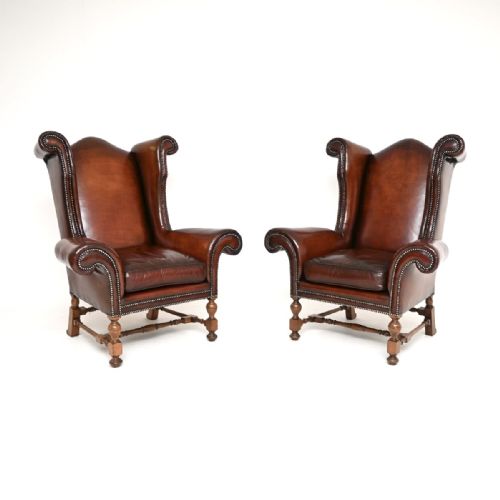
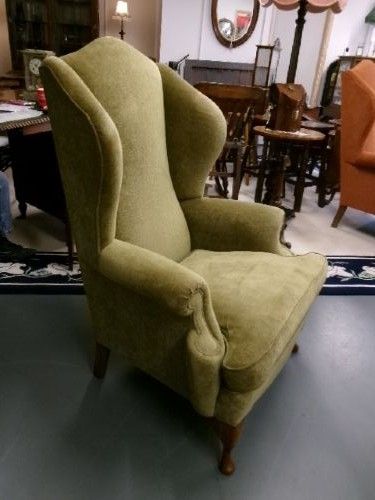
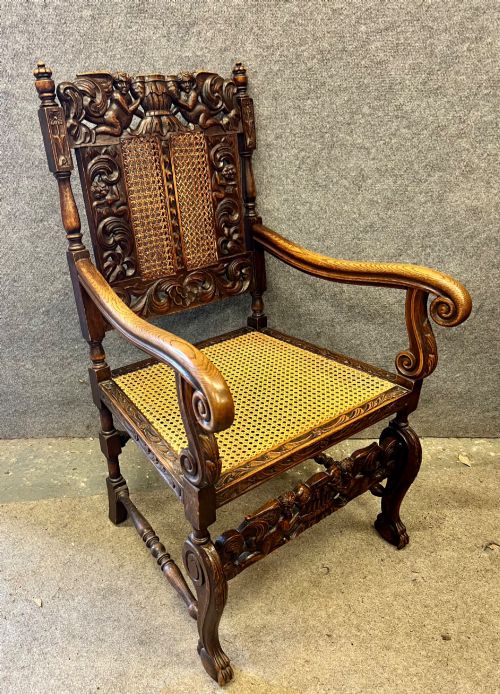
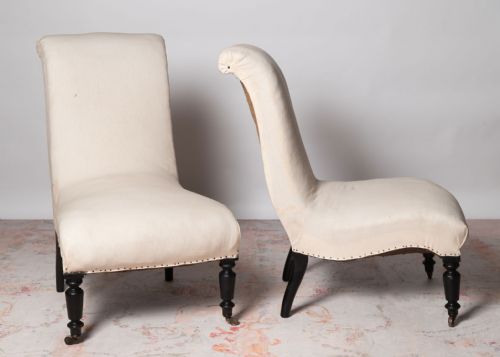
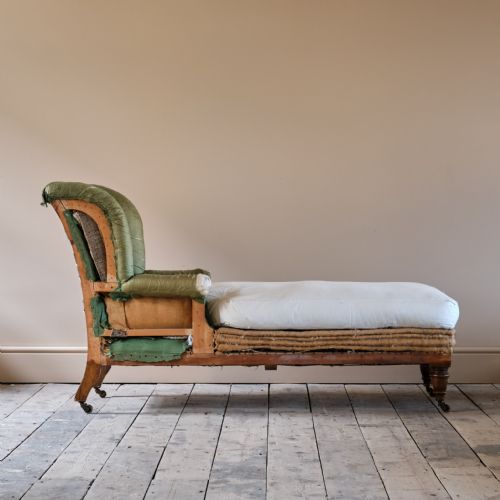
The inventory encompasses distinct regional and stylistic variations, including Regency mahogany designs, Victorian upholstered armchairs, and revival pieces influenced by earlier Carolean and Jacobean aesthetics. Alongside standard single chairs and pairs, larger matched sets emerge particularly from the Regency period, while daybeds and slipper chairs broaden the category.
Makers and workshops utilised various domestic and imported timbers to achieve these silhouettes, combining structural hardwoods with cane, brass, and diverse upholstery fabrics. The overarching commonality remains the signature rolled top rail or backrest profile that defines the visual appeal of each example.
How they were made
Cabinetmakers and joiners constructed the frames predominantly from solid hardwoods such as mahogany, oak, walnut, and rosewood, chosen for their grain and structural strength. Timber components were frequently turned, carved, or ebonised, while specialised steam-bending techniques shaped pliable woods for bentwood rocking variants.
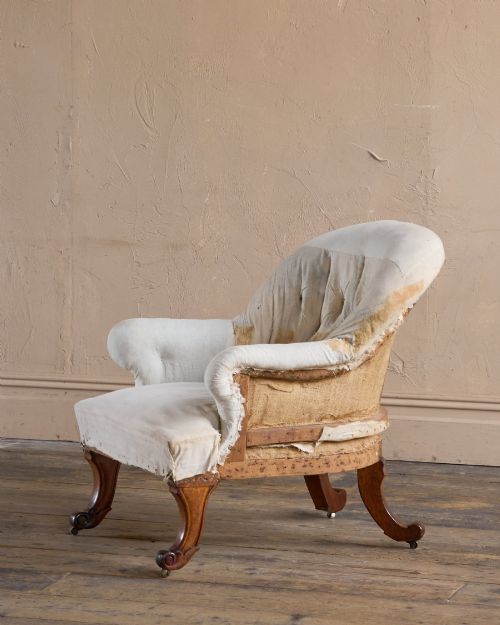
Upholstered versions relied on traditional stuffing methods employing fabric, velvet, and tapestry supported by webbing or cane panels. Brass accents occasionally appeared in castors or decorative mounts, completing pieces built to endure generations of daily domestic use.
Vintage Scrolled Back Chair Retail Price Guide 2026
Typical asking prices for vintage scrolled back chair among the pieces listed under this phrase on Sellingantiques today, from the lower quarter to the upper quarter. They describe what is for sale here now, not the wider market.
What varies in quality
The distinction between ordinary and exceptional examples rests upon the crispness of timber carving, the selection of figured veneers, and the architectural proportion of the frame. Superior pieces demonstrate meticulous joinery where stress points meet, ensuring the structural integrity of the scrolled elements remains undisturbed over time.
Refinement in the upholstery work and the authenticity of the supporting materials further elevate a piece. Original surfaces, patinated timber finishes, and retained maker signatures or stamps distinguish museum-grade seating from later reproductions and heavily altered examples.
Howard and Sons·Thonet·Harry and Lou Epstein
The Vintage Scrolled Back Chair Glossary
- Carver
- An armchair, typically designed to match a set of smaller dining chairs and placed at the head of a table. These often feature pronounced armrests alongside the defining scrolled backrest.
- Bergere
- An enclosed upholstered armchair featuring cane work panels on the back and sides. This French-inspired form relies on a wooden frame, frequently executed in mahogany or beech.
- Bentwood
- Furniture formed by steaming timber until pliable and bending it into curved shapes. This technique defines specific nineteenth-century rocking chairs and occasional seating.
- Ebonised
- Timber treated with a dark stain or chemical finish to simulate ebony. This process appears frequently on nineteenth-century library armchairs and occasional seating to achieve a dramatic contrast.
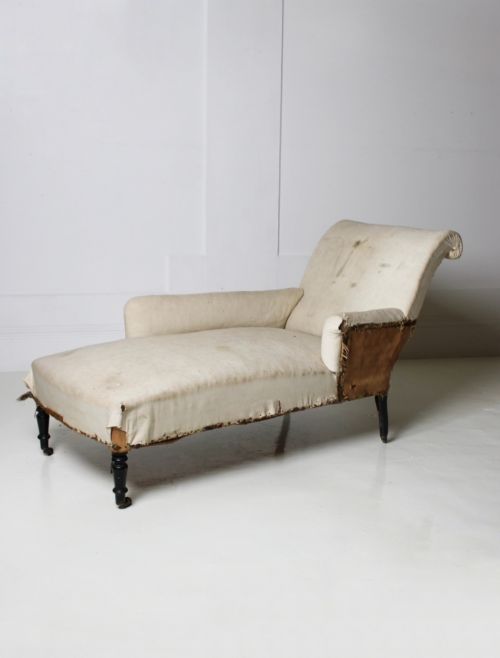
- Chaise Longue
- An upholstered long chair designed for reclining, combining elements of a chair and a daybed. These pieces often incorporate scrolled ends consistent with nineteenth-century seating styles.
Vintage Scrolled Back Chair: Frequently Asked Questions
How do I identify a Regency scrolled back chair?
Regency examples typically display refined mahogany frames, precise reeding, and classical proportions dating from the early nineteenth century. The scrollwork on these chairs tends to be restrained and architecturally balanced.
Later revival interpretations often exaggerate these curves or incorporate heavier carving styles associated with Victorian and Edwardian production periods.
Can I use these chairs for daily dining?
Many of these pieces were originally constructed as dining chairs or carvers intended for regular household use. Solid hardwood frames provide the necessary durability for contemporary seating.
It remains wise to check the internal joinery and webbing support to ensure the structure comfortably handles daily weight.
What is the difference between a carver and an armchair?
A carver traditionally refers to an armchair designed specifically to accompany a matching set of dining chairs around a table. These pieces feature open arms scaled to slide beneath a standard dining surface.
Standard armchairs, conversely, are built for broader lounge use in libraries, parlours, or living spaces with deeper seats and heavier upholstery.
How should I care for antique wood and upholstery?
Maintain the timber surfaces by dusting with a dry cloth and occasionally applying traditional beeswax to nourish the polished wood. Avoid placing antique furniture in direct sunlight or near heat sources to prevent timber splitting.
Upholstered sections benefit from gentle professional cleaning to preserve fragile historical fabrics and velvet without damaging internal stuffing.