



Vintage Scroll Frame
These vintage scroll frame pieces unite the sweeping curves of past centuries with practical utility, offering collectors a striking addition to any room.
Vintage Scroll Frame
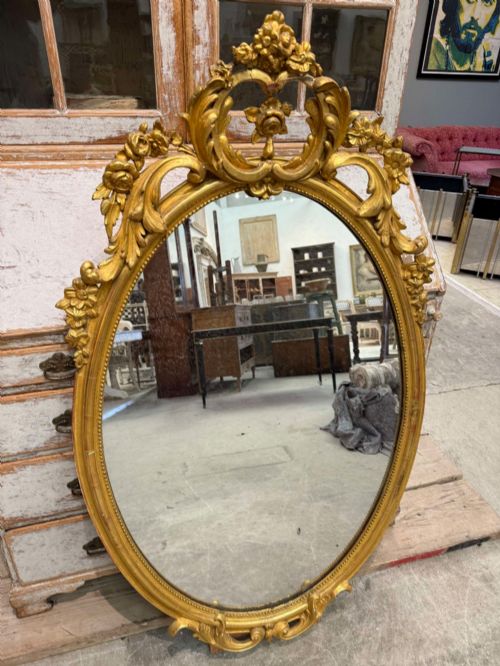
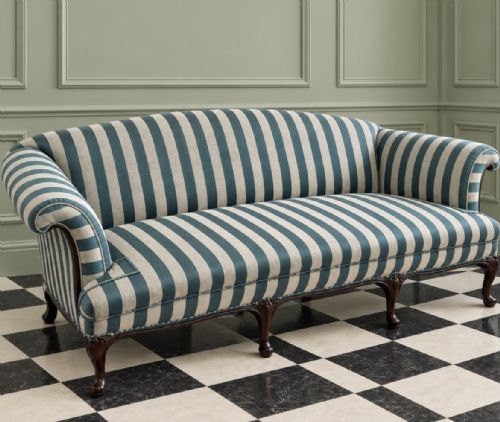
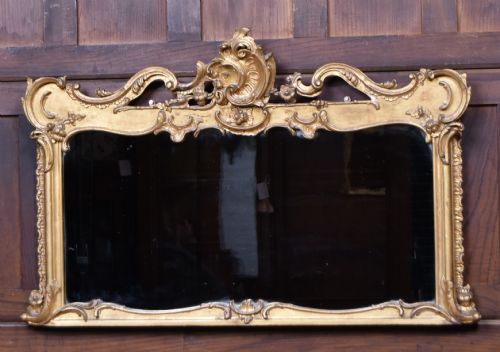
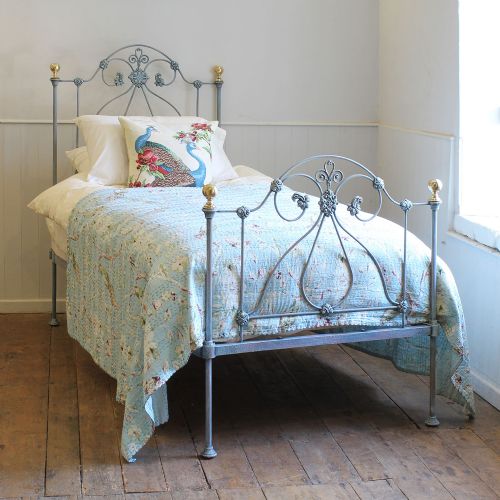
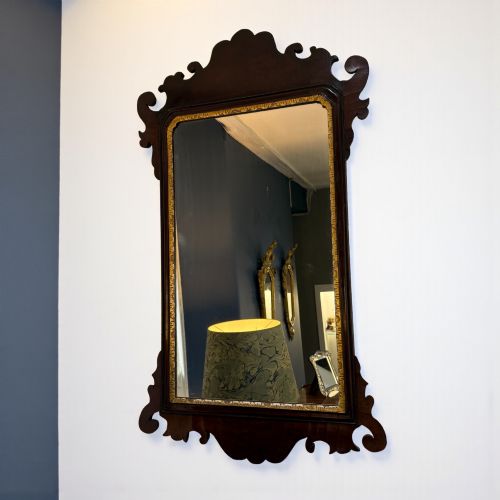
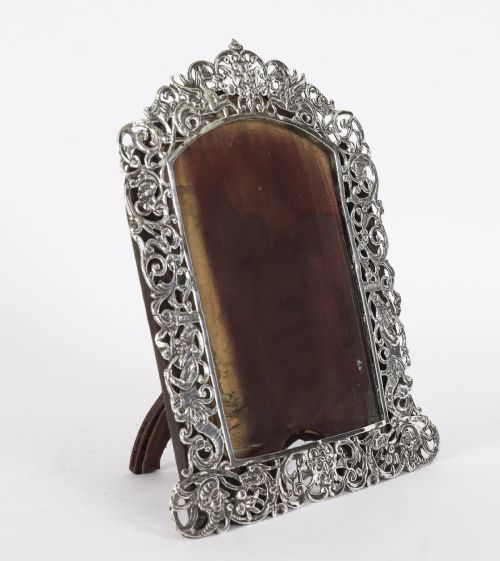
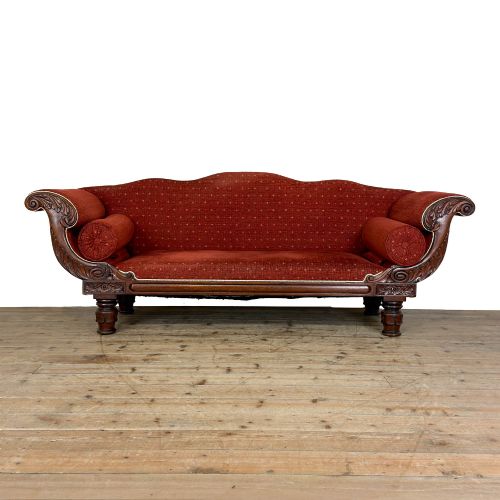
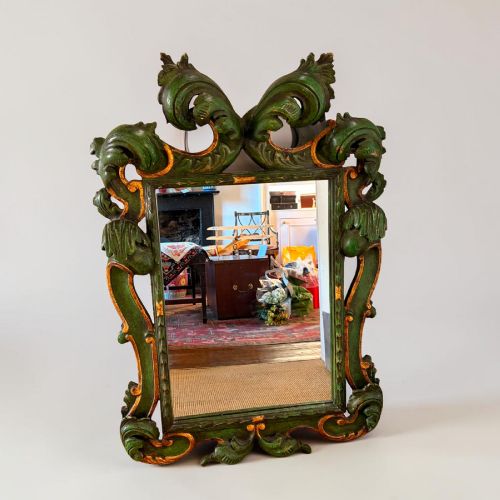
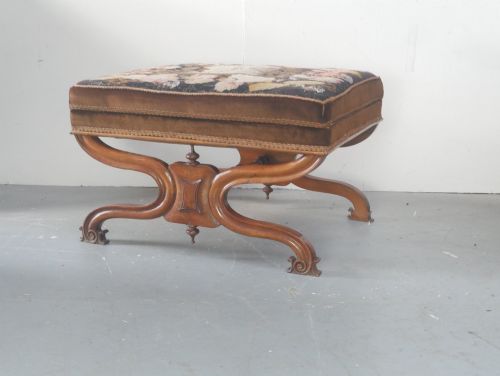
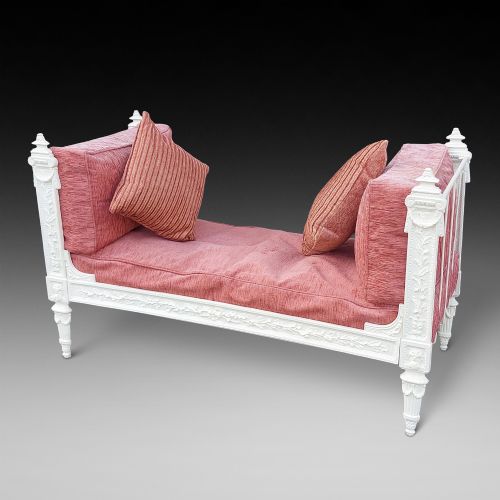
A vintage scroll frame encompasses various items featuring curved timber, metal, or gilt work, frequently seen in seating and mirrors from earlier eras. Buyers seeking a vintage scroll frame encounter items ranging from Georgian and Victorian mirrors to 19th-century sofas and daybeds.
The selection reflects diverse influences, including Rococo Revival mirrors, Chinese scrolls, and traditional English seating. These objects serve both decorative and functional roles in traditional and eclectic interiors.
Materials and construction
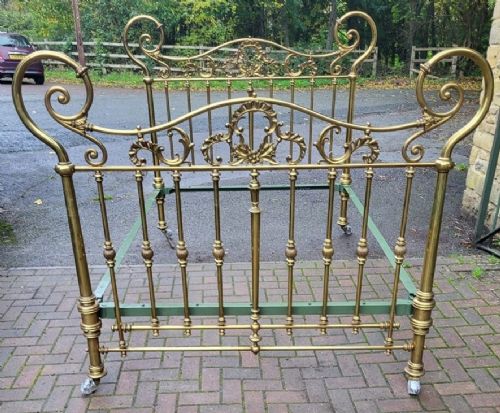
Craftsmen utilised timbers such as mahogany, walnut, and rosewood alongside metals like brass, cast iron, and wrought iron. Gilding and hand painting frequently enhance the surface finish of frames and mirrors.
Joinery methods vary by form, from fretwork cutting in mirrors to upholstered wooden frames and heavy metal casting in beds and seating.
Vintage Scroll Frame Retail Price Guide 2026
Typical asking prices for vintage scroll frame among the pieces listed under this phrase on Sellingantiques today, from the lower quarter to the upper quarter. They describe what is for sale here now, not the wider market.
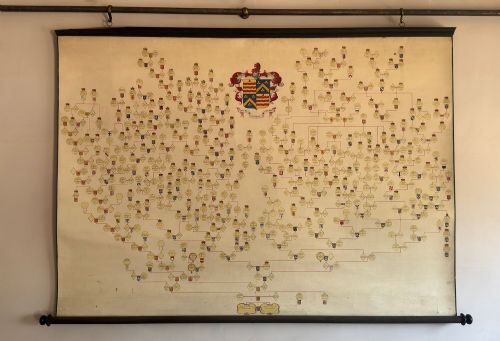
A snowy leopard peers out from an early 20th-century Chinese scroll, keeping watch over the surrounding mirrors and iron beds.
Assessing quality
Quality rests in the precision of the carving, the crispness of fretwork, and the preservation of original gilding or surface patination. Superior examples display fluent hand-carved curves rather than mechanical uniformity.
The integrity of the underlying structure, whether timber frame or metal bedstead, dictates the long-term durability and historical authenticity of the piece.
Rosenthal, Jacob and Co
The Vintage Scroll Frame Glossary
- Giltwood
- Wood coated with gold leaf or gold paint. This technique creates a luminous surface common on ornate wall mirrors.
- Fretwork
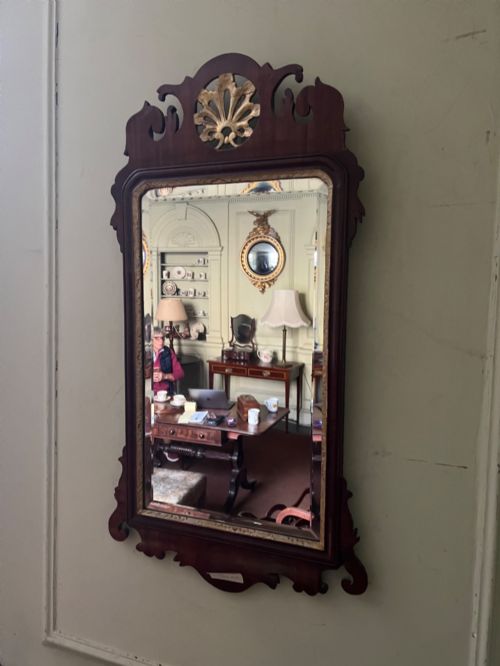
- Ornamental design worked in openwork by or as if with a fret saw. It appears frequently on the crests and borders of Georgian mirrors.
- Scroll-end
- A furniture arm or terminal shaped like a scroll. This feature distinguishes specific 19th-century sofas and daybeds.
- Verdigris
- A green patina formed on copper, brass, or bronze surfaces. It occurs naturally through atmospheric oxidation over long periods.
- Parcel-gilt
- Partially gilded with gold leaf or paint. This method highlights specific carved details against a contrasting wood or painted ground.
Vintage Scroll Frame: Frequently Asked Questions
What is a vintage scroll frame?
A vintage scroll frame refers to items featuring curved, scroll-like woodwork, metalwork, or framing. The category spans mirrors, seating, and framed artwork from the 18th to the 20th centuries.
Buyers find these pieces in various regional styles, including Georgian fretwork, French gilt designs, and Victorian ironwork.
How do I date a scroll frame mirror?
Dating relies on examining the timber species, mirror plate characteristics, and construction techniques. Georgian pieces often feature mahogany with hand-cut fretwork, whilst 19th and 20th-century examples show different gilding and glass manufacturing methods.
Stylistic cues such as Rococo Revival motifs also help place an object within its specific century or decade.
How were cast iron scroll beds used?
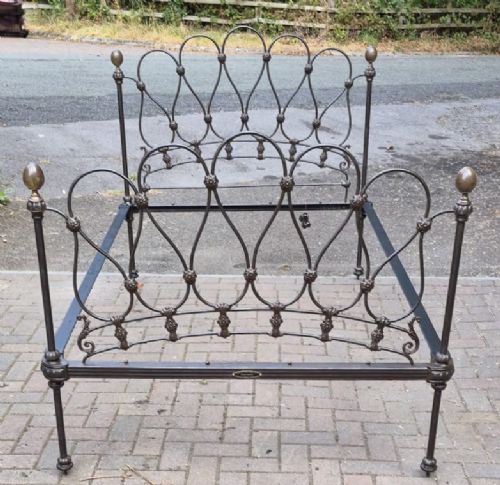
Cast iron scroll beds served as durable sleeping furniture in 19th-century households. Their sturdy metal construction allowed for ornate scroll ends and daybed configurations.
Today, these beds function primarily as statement pieces in guest bedrooms or studies.
How do I care for giltwood frames?
Giltwood requires gentle dusting with a soft, dry brush to protect the delicate gold leaf surface. Moisture and harsh cleaning agents damage the historic finish.
Keeping frames away from direct sunlight and humidity preserves the underlying gesso and wood.