



Vintage Screen Stand
These vintage screen stand pieces combine practical hearth protection with decorative display, offering both functional utility and period elegance for the home.
Vintage Screen Stand
When buyers search for a vintage screen stand, they encounter a diverse range of items including freestanding pole screens, folding fireplace guards, and tabletop display frames. The selection spans the nineteenth century through the art deco period, drawing on Victorian, Regency, and Georgian design traditions.
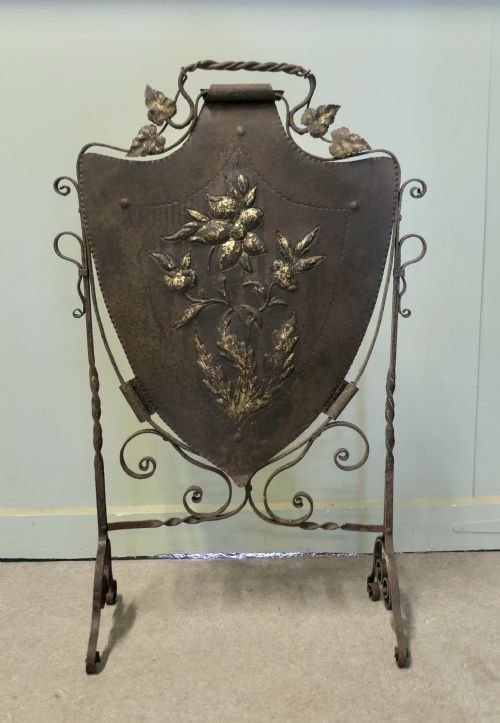
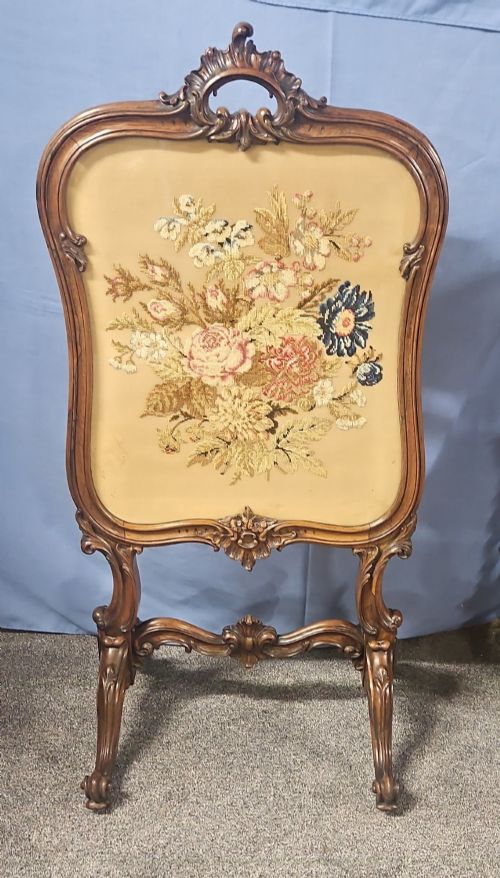
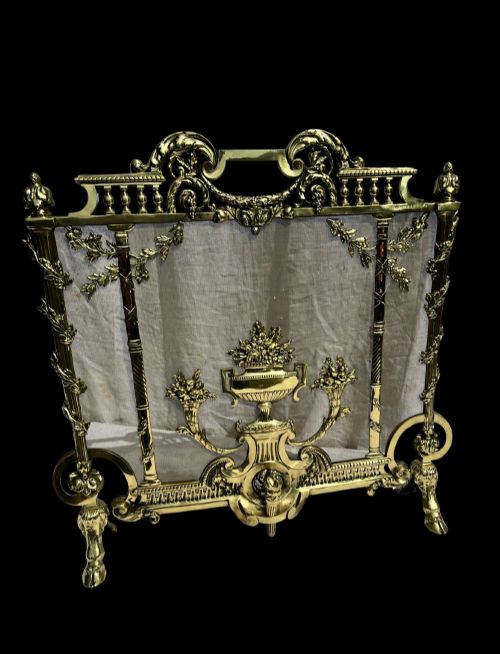
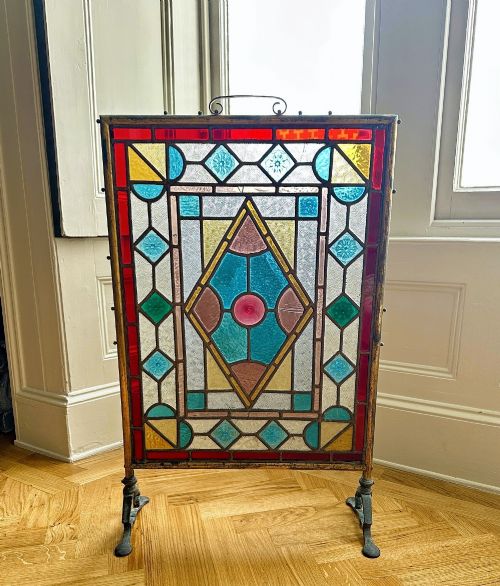
Most examples function primarily as hearth accessories or decorative display supports, featuring adjustable shields, needlework panels, silk embroidery, or stained glass. Materials range from mahogany and rosewood to brass, iron, and lacquered wood.
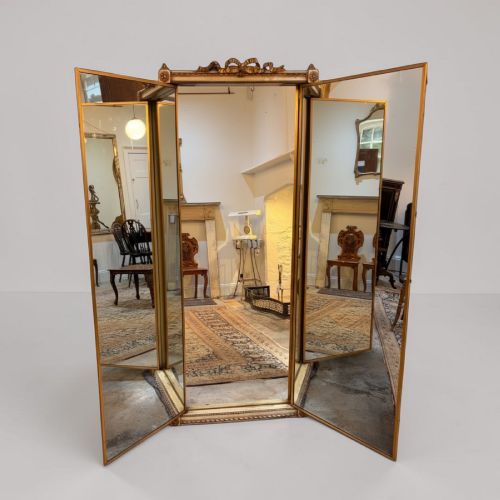
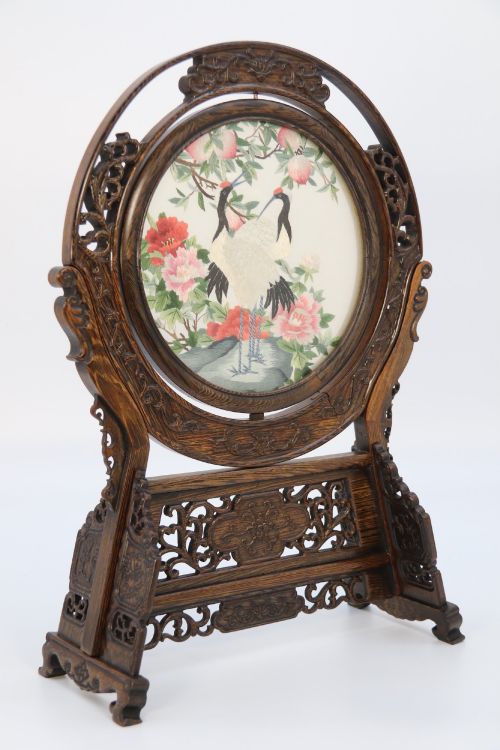
The assortment includes specialised forms such as candle shades, triptych mirrors, and rotating Chinese hardwood stands alongside traditional firescreens. Each piece reflects the interior domestic requirements of its respective period.
How they were made
Cabinetmakers utilised fine timbers such as mahogany, walnut, rosewood, and oak for poles, frames, and display stands, often incorporating intricate hand carving. Metalworking techniques produced sturdy iron supports, brass guards, and adjustable fittings.
Decorative panels frequently involved textile arts, including needlework, tapestry, and double-sided silk embroidery, set alongside stained glass, painted lacquer, and hardstone mounts. These diverse materials required specialised joining and mounting methods to secure delicate inserts within robust frames.
Vintage Screen Stand Retail Price Guide 2026
Typical asking prices for vintage screen stand among the pieces listed under this phrase on Sellingantiques today, from the lower quarter to the upper quarter. They describe what is for sale here now, not the wider market.
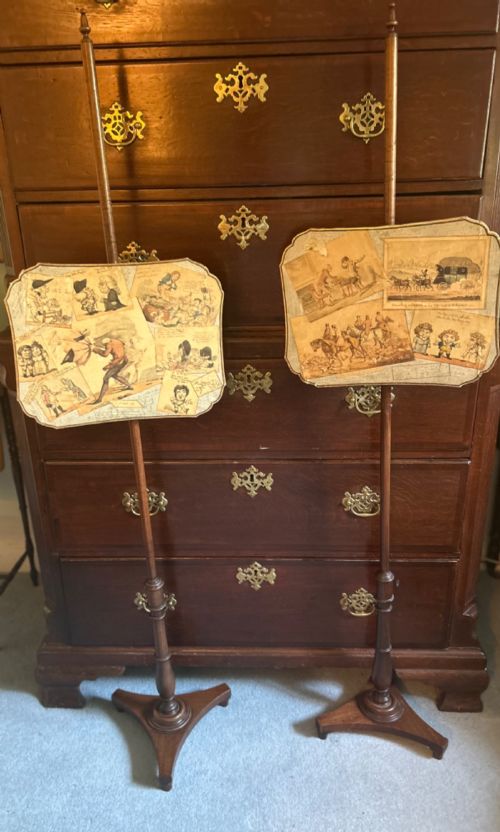
Satirical prints mounted on late George III pole screens injected unexpected humour into formal fireside accessories.
What varies in quality
Quality differences emerge in the execution of the timber carving and the precision of mechanical adjustment mechanisms on pole screens. Superior pieces exhibit refined joinery, substantial brass or iron weight, and well-preserved surface finishes.
The artistic merit of the integrated panel also dictates the tier of the piece, with finely detailed needlework, intricate silk embroidery, or masterclass stained glass commanding greater craftsmanship. Original components and uncompromised structural integrity distinguish finer examples from simpler utilitarian items.
The Vintage Screen Stand Glossary
- Pole screen
- A freestanding fireside screen with an adjustable vertical panel mounted on a slender central pillar and supported by a tripod or weighted base. It protected the face from the radiant heat of an open fire.
- Firescreen
- A decorative barrier placed before a fireplace opening to mask the grate when not in use or to block excessive heat. Designs range from folding metal guards to rigid framed panels.
- Needlework
- Decorative stitching executed on canvas or fabric, commonly utilised for the central viewing panels of nineteenth-century screens. It includes techniques like petit point and cross-stitch.
- Triptych
- A piece composed of three folding or hinged panels, often seen in tabletop mirrors and decorative screens. This configuration allows the outer wings to angle inward.
- Chinoiserie
- European artistic styles reflecting Chinese motifs and techniques, frequently applied to lacquered wood screens and stands. It gained particular popularity during the eighteenth and nineteenth centuries.
Vintage Screen Stand: Frequently Asked Questions
What is a pole screen?
A pole screen is a tall, slender stand with a vertically adjustable shield used originally to protect a person's face from fireplace heat.
The height and angle of the panel can be altered via a sliding collar on the central wooden or metal shaft.
How were firescreens used?
Firescreens served to block intense heat from hearths and to conceal dark, empty fireplaces during the warmer months.
They also acted as decorative room dividers and focal points for intricate needlework displays.
How do I date a screen?
Dating relies on identifying period styles, timber choices, and manufacturing techniques such as hand carving or cast brass construction.
Victorian, Regency, and Georgian design markers provide the primary chronological framework.
Can I use these near a working fire?
Metal spark guards and iron frames are structurally suited for active hearth environments.
Textile and wood panels require careful placement to prevent heat damage to delicate fabrics or lacquered surfaces.