

Vintage Sconce Pairs
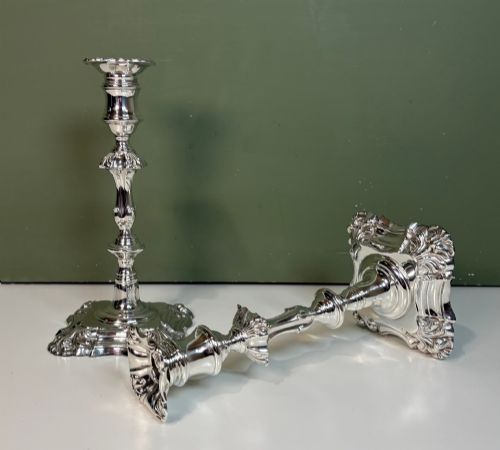
Vintage sconce pairs bring balanced illumination and period character to a room, offering matched lighting designed to flank architectural features or mirrors.
Vintage Sconce Pairs
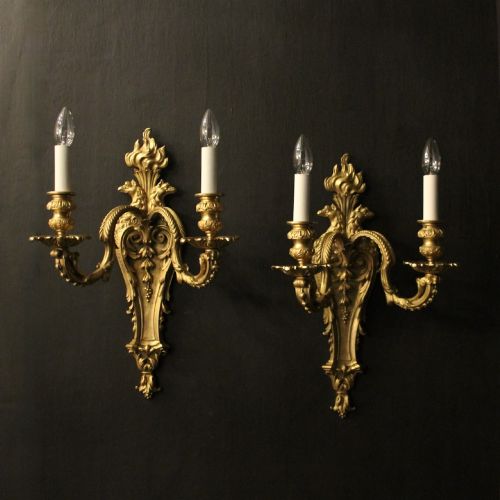
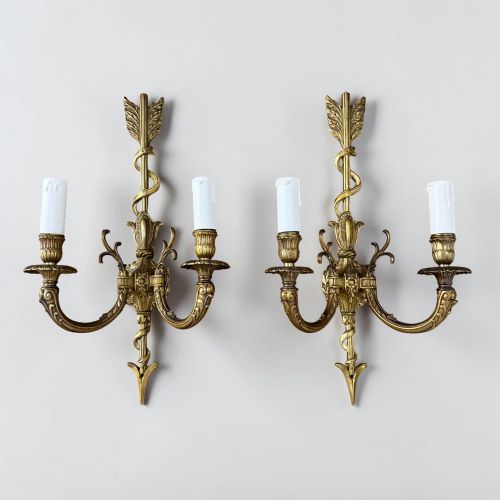
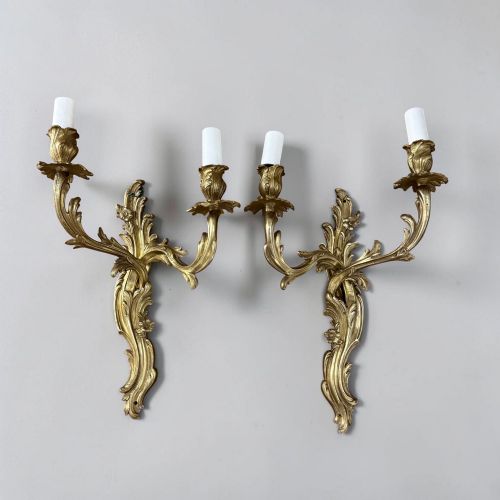
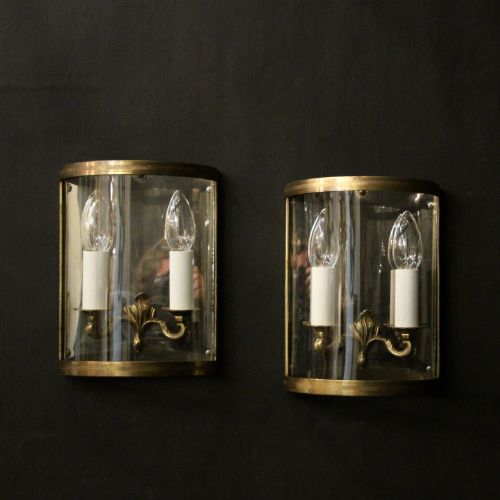
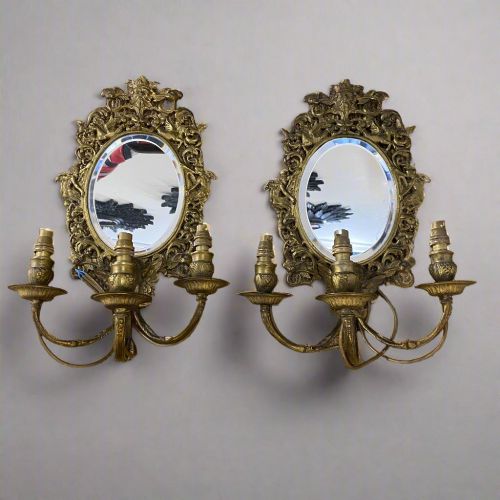
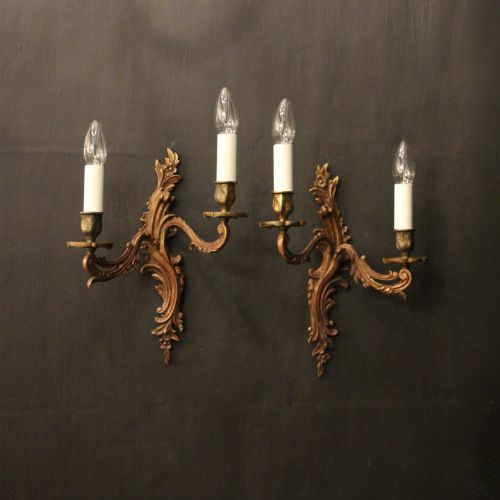
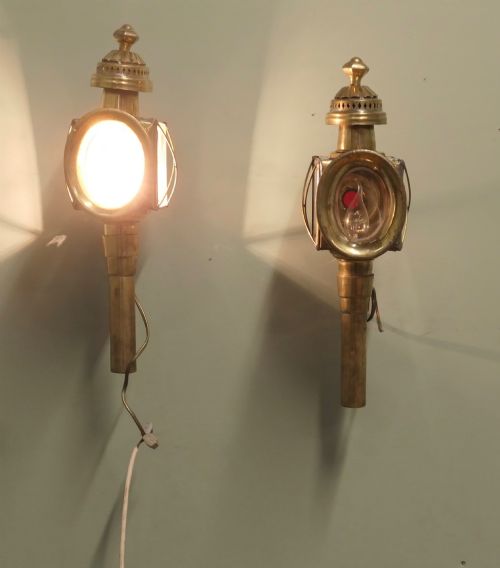
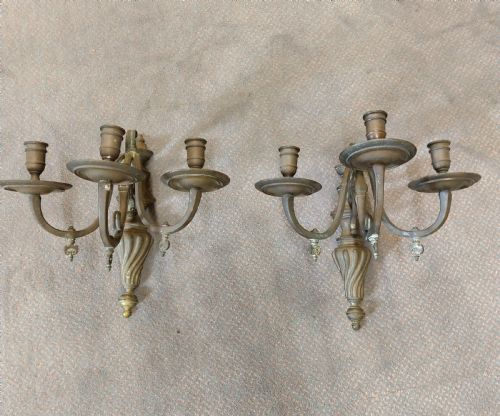
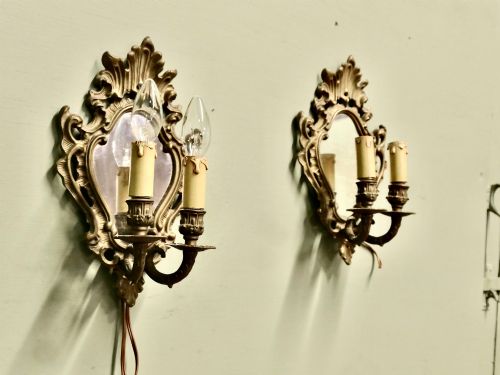
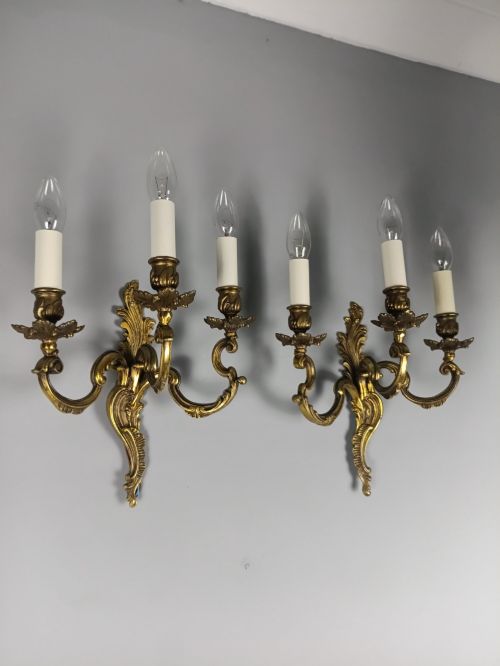
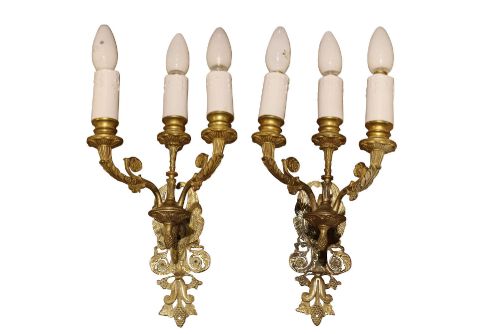
Vintage sconce pairs are matched wall-mounted light fittings created to illuminate interiors in pairs, often designed to sit either side of a fireplace, doorway or mirror. When you search for vintage sconce pairs, you encounter configurations ranging from single arms to multi-branched structures holding several candle or bulb points.
The selections span early twentieth-century production, Edwardian examples, and pieces dating back to the nineteenth century. French aesthetics dominate the offerings, appearing in Rococo, Empire, Chateau, and Neoclassical designs alongside Italian, English, and German interpretations.
Formations include wall lights, girandoles, and adjustable variants in metals and woods. These items provide functional illumination while serving as decorative wall ornamentation rooted in historical design vocabularies.
How they were made
Metalworking forms the foundation of these pieces, utilising cast brass, bronze, copper, and wrought iron shaped into arms and backplates. Many surfaces receive a layer of gilding, resulting in gilt bronze, ormolu, gilt brass, and giltwood constructions.
Decorative elements involve applied cast details such as ribbons, putti, and foliage, alongside carved wooden frames and hand-painted finishes on toleware. Glass and crystal components are frequently integrated as drops or shades to diffuse the light emitted from the branches.
Vintage Sconce Pairs Retail Price Guide 2026
Typical asking prices for vintage sconce pairs among the pieces listed under this phrase on Sellingantiques today, from the lower quarter to the upper quarter. They describe what is for sale here now, not the wider market.
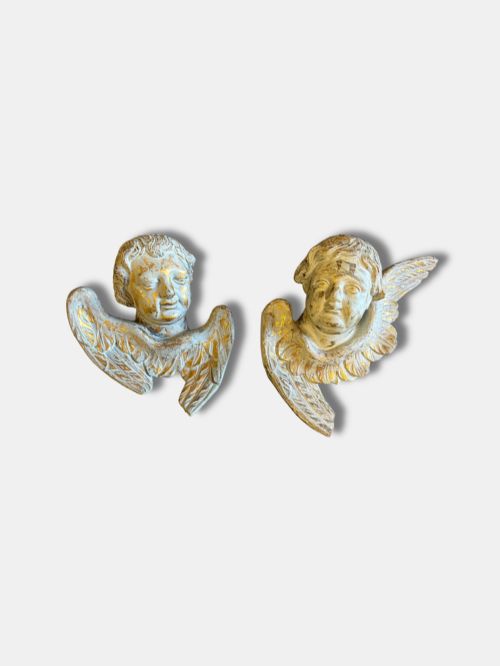
Winged cherub putti occasionally peer out from rococo revival branches, keeping watch over the evening candlelight.
What varies in quality
The refinement of the casting and carving dictates the distinction between standard production and superior examples. Crisp detailing in chased bronze, delicate carving on giltwood, and substantial metal gauges set finer pieces apart from simpler stamped or moulded items.
Coherence of the pair also governs the tier of the piece, where exact symmetry in arm placement, matching patination across both mounts, and original surface treatments elevate the status of the matching units.
Maison Bagues·W.A.S. Benson
The Vintage Sconce Pairs Glossary
- Girandole
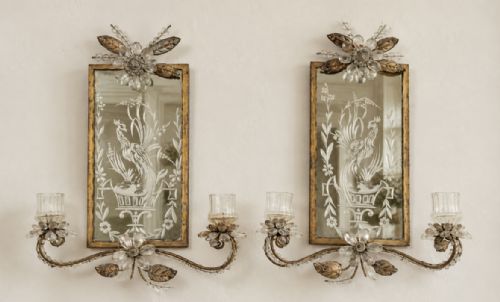
- A branched wall light incorporating a mirror or reflective backplate to amplify the illumination. These fixtures frequently use giltwood or metal frames.
- Ormolu
- Gilded bronze produced by applying a mercury and gold amalgam to a bronze base and heating it. This technique creates a durable golden finish seen on nineteenth and early twentieth-century French lighting.
- Toleware
- Painted or lacquered sheet metal items used for decorative objects and light fittings. Italian workshops frequently employed this technique for floral and polychrome wall lights.
- Rococo Revival
- A nineteenth-century design movement drawing on eighteenth-century asymmetrical scrollwork, natural motifs, and shell forms. This style appears frequently on gilded bronze and brass wall lights.
- Embossed
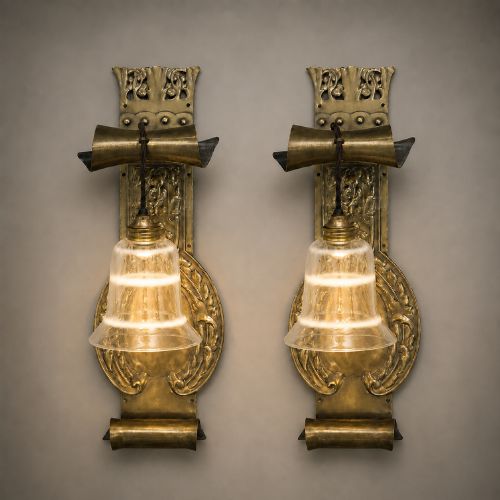
- Raised ornamentation hammered or pressed into the surface of metal sheet. This process is common in copper and brass work from the Arts and Crafts period.
Vintage Sconce Pairs: Frequently Asked Questions
Where should vintage sconce pairs be hung?
These fixtures work best mounted at eye level to flank architectural focal points like fireplaces, large mirrors, or bed headboards. They provide balanced ambient or task lighting while framing the central feature of a wall.
Spacing depends on the width of the object they frame and the proportions of the room. Matching pairs ensure visual symmetry across the interior space.
How do I identify French Empire style sconces?
French Empire style pieces draw on classical motifs inspired by ancient Rome and Greece, featuring clean architectural lines, symmetry, and military or laurel wreath ornamentation. Materials commonly include gilt bronze and brass.
These designs date predominantly from the nineteenth century through the early twentieth century, reflecting classical revival periods in European decorative arts.
What is the difference between girandoles and standard wall lights?
Girandoles incorporate a mirrored glass panel behind the candle arms to reflect and multiply the light within a room. Standard wall lights rely entirely on the wall surface or metal backplate for mounting without a reflective glass insert.
Both forms appear across eighteenth and nineteenth-century revival styles, utilising materials like giltwood and bronze.
How are antique brass and bronze wall lights cleaned?
Maintenance requires gentle dusting with a soft, dry cloth to preserve the historical surface patination and any original gilding. Heavy polishing should be avoided to prevent stripping thin layers of gilt bronze or ormolu.
Glass and crystal drops can be removed carefully for washing with mild soapy water before being dried and reattached to the metal frame.