





Vintage Scandinavian Pin
A vintage scandinavian pin brings together mid-century modernist design and intricate enamel work, offering a wearable piece of northern European history.
Vintage Scandinavian Pin
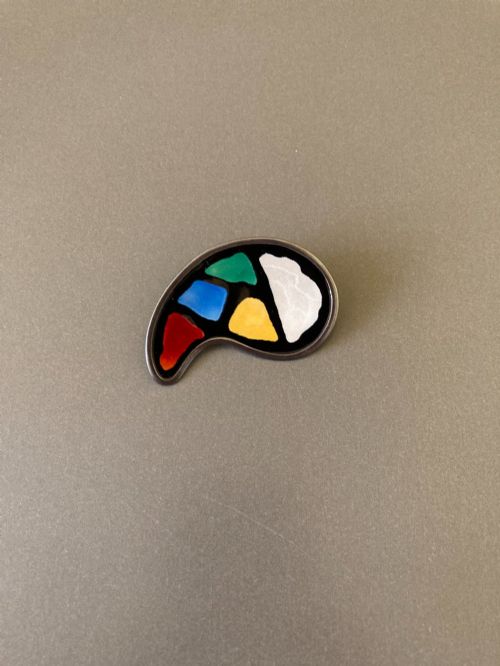
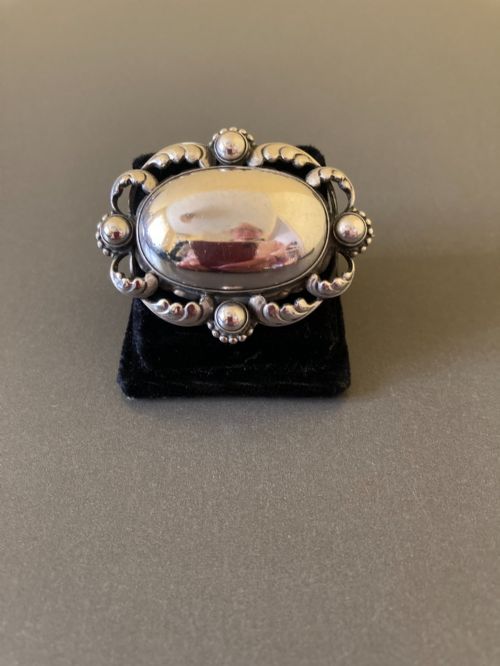
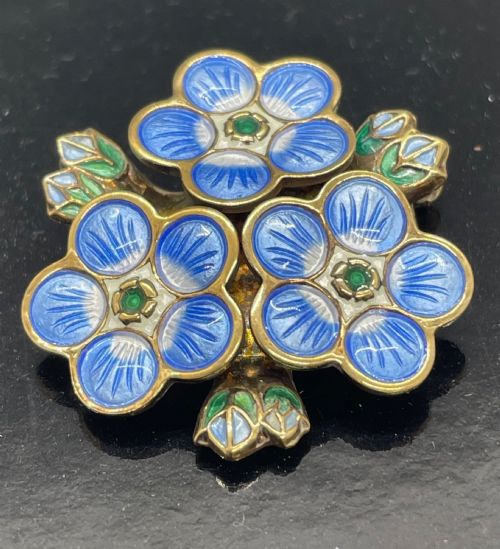
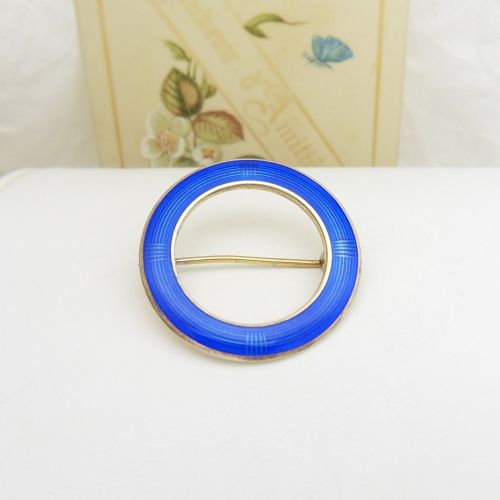
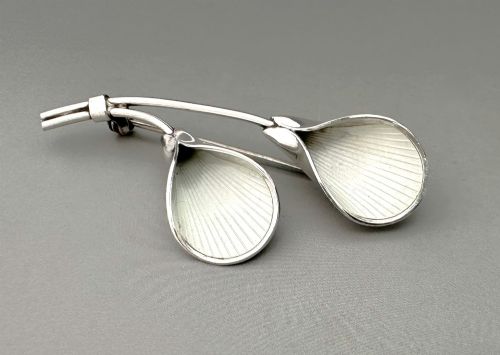
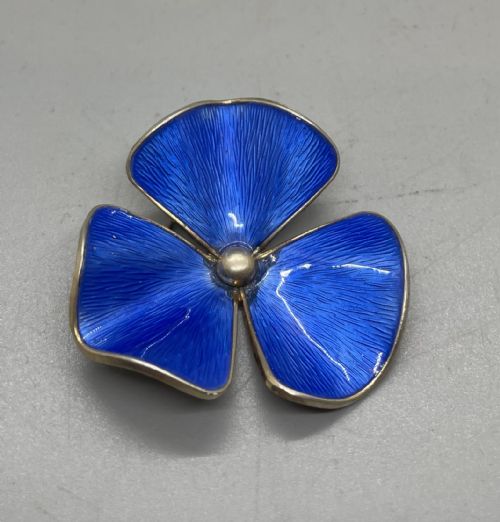
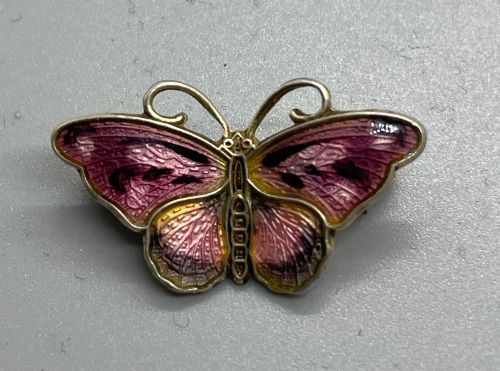
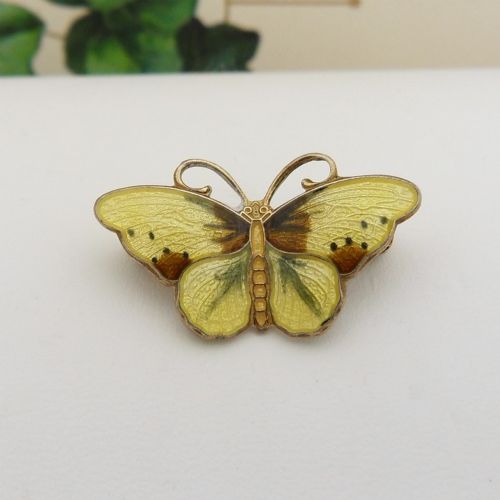
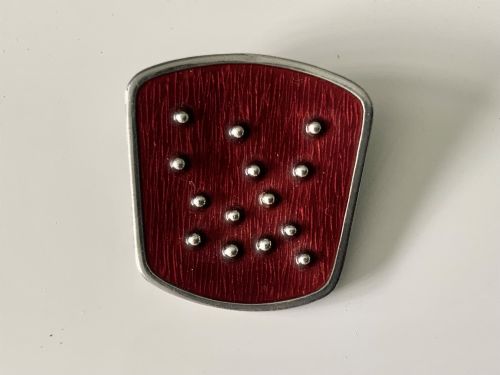
When someone searches for a vintage scandinavian pin, they are typically looking at brooches, cape clips, and small decorative dress ornaments originating from Norway, Denmark, and broader Scandinavian workshops. The most common examples met on this page are silver and enamel brooches, often taking the form of butterflies, flowers, or abstract mid-century modernist shapes.
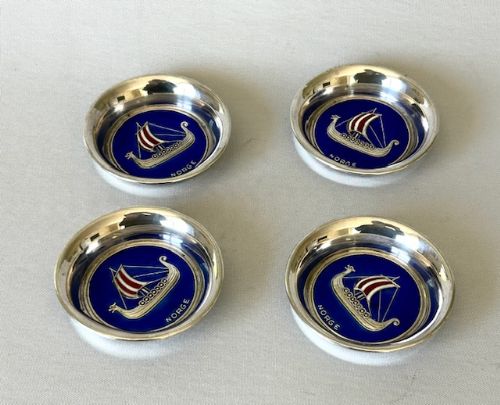
The selection spans several decades, with a strong representation of pieces from the 1950s and 1960s, alongside earlier Art Deco, Art Nouveau, and Skønvirke designs from the early twentieth century. Alongside wearable pins, the range occasionally incorporates related decorative items such as small silver trinket dishes and longship dishes.
Geographically, these items trace back to skilled northern European silversmiths and notable designers working within distinct regional traditions. Buyers encounter everything from tiny geometric bar brooches to large, brightly coloured guilloché enamel flower heads.
How they were made
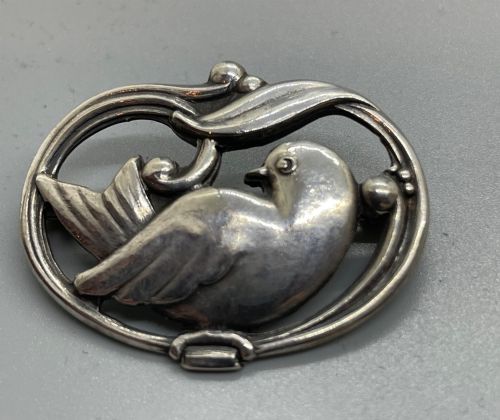
Makers shaped these pieces primarily from sterling silver, silver gilt, and gold vermeil, employing traditional silversmithing techniques to form the base structures of the pins and dishes. Surfaces were frequently oxidised or gilded to create contrast and highlight the metalwork details.
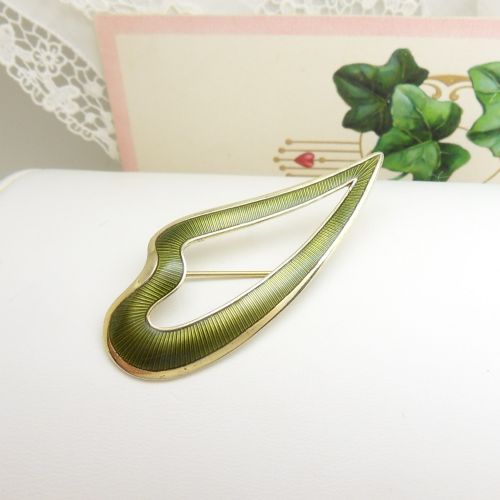
Enamelling is central to the construction of these items, with vitreous enamel and guilloché enamel applied in vibrant shades of green, blue, red, and other colours. Artisans fused glass powder to the metal under high heat, often over engine-turned engraved patterns that gave the translucent colour depth and movement.
Vintage Scandinavian Pin Retail Price Guide 2026
Typical asking prices for vintage scandinavian pin among the pieces listed under this phrase on Sellingantiques today, from the lower quarter to the upper quarter. They describe what is for sale here now, not the wider market.
Butterflies flutter across multiple decades of Scandinavian design, landing permanently in silver and red enamel.
What varies in quality
The standard of a vintage scandinavian pin depends heavily on the complexity of its metalwork and the precision of the enamel application. Pieces featuring fine guilloché engraving beneath translucent vitreous enamel represent a higher tier of craftsmanship than plain metal castings.
Attribution to documented designers and silversmiths influences the standing of a piece within the range, as does the preservation of original gilding and the integrity of delicate enamel wings or petals.
Aksel Holmsen·David Andersen·Hroar Prydz·Georg Jensen·Royal Copenhagen
The Vintage Scandinavian Pin Glossary
- Guilloché enamel
- Enamel applied over a metal surface that has been machine-engraved with a repetitive geometric pattern. This technique allows light to reflect through the translucent coloured glass.
- Silver gilt
- Sterling silver that has been coated with a thin layer of gold. It gives the metal a warm, golden appearance while retaining a silver base.
- Vitreous enamel
- A material made by fusing powdered glass to a substrate by firing, usually between seven hundred and eighty five hundred degrees Celsius. The resulting compound is smooth, durable, and chemically resistant.
- Skønvirke
- A Danish design style active in the late nineteenth and early twentieth centuries, related to Art Nouveau and Arts and Crafts movements. It emphasises organic motifs and traditional craftsmanship.
- Oxidised silver
- Silver that has been intentionally treated with a chemical substance to accelerate tarnishing. This darkens recessed areas to create contrast and accentuate design details.
Vintage Scandinavian Pin: Frequently Asked Questions
What periods do these pins come from?
The pieces span from early twentieth-century Art Nouveau and Art Deco eras through to the mid-century modernist period of the nineteen fifties and sixties.
Design styles shift from organic floral motifs and Skønvirke forms to clean geometric lines and stylised animal shapes as the decades progress.
How do I identify a maker?
Many items carry maker marks, designer signatures, or silver purity stamps on the reverse of the metalwork. These punch marks link pieces to specific workshops in Norway and Denmark.
Well-documented firms and designers often used distinct monogram stamps or stamped town names alongside standard silver hallmarks.
What is guilloché enamel?
Guilloché enamel is a decorative technique where metal is mechanically engraved with intricate patterns before a translucent glass enamel is applied. The underlying engraved lines show through the coloured glass, creating a shimmering effect.
This method was widely utilised in Scandinavian butterfly and floral brooches to give depth to wings and petals.
Are these items made of solid silver?
The base metal for the vast majority of these pieces is sterling silver, often marked with standard purity standards. Some examples are further enhanced with a surface wash of gold gilt or gold vermeil.
Makers combined these precious metals with vitreous enamel to achieve vibrant colour contrasts in small wearable formats.