





Vintage Scale Model
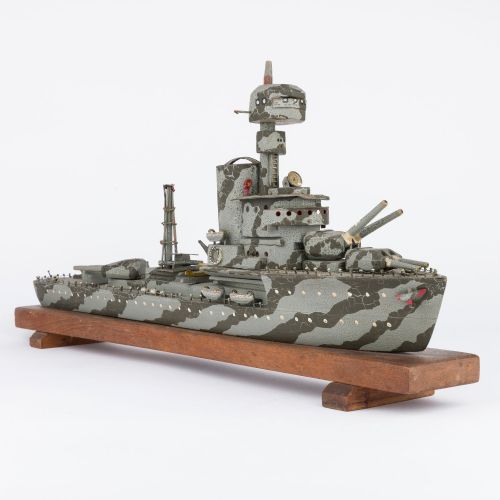
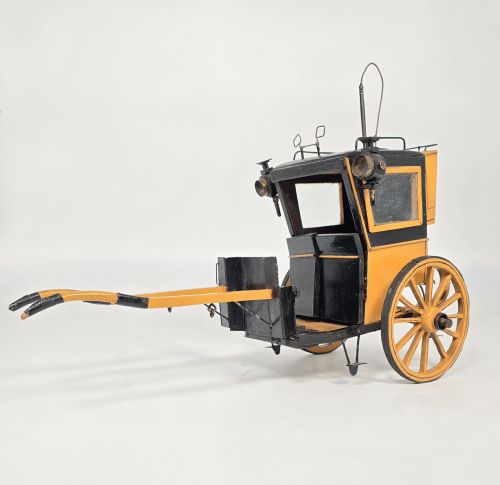
These vintage scale model pieces capture transport, maritime vessels and buildings from past centuries in miniature form.
Vintage Scale Model
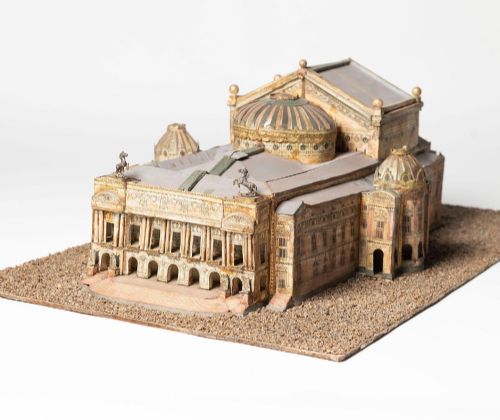
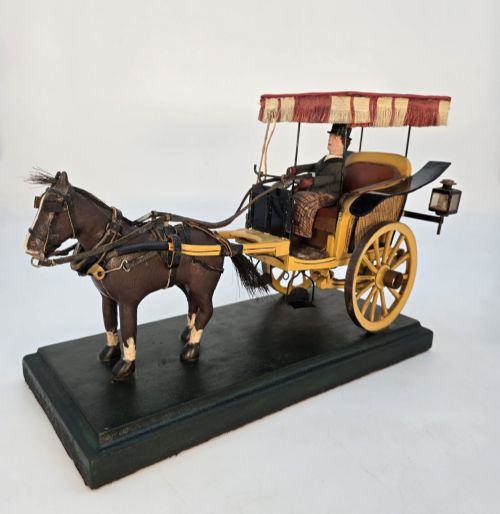
A vintage scale model brings miniature representations of transport, buildings and maritime vessels into a collection, spanning architectural structures, railway engines and horse-drawn carts. Buyers encounter hand-built items and maker-signed pieces originating from the nineteenth and twentieth centuries.
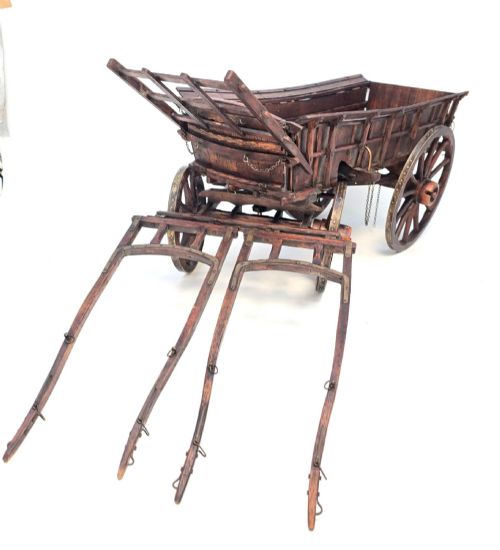
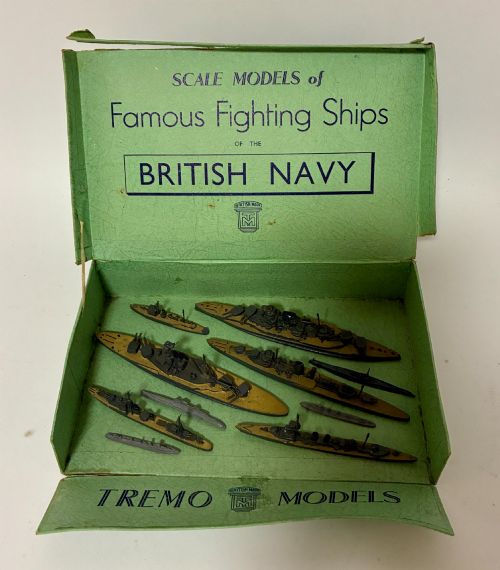
The selection ranges from naval battleships and sailing barques to farm machinery, carriages and factory equipment. These items reflect historical engineering and domestic transport through tangible physical objects constructed by makers of the period.
Materials and Construction Techniques
Makers utilised wood, brass, cast iron and steel alongside glass, paint and iron to build these representations. Many items feature scratch-built wooden components or cast metal parts assembled by hand.
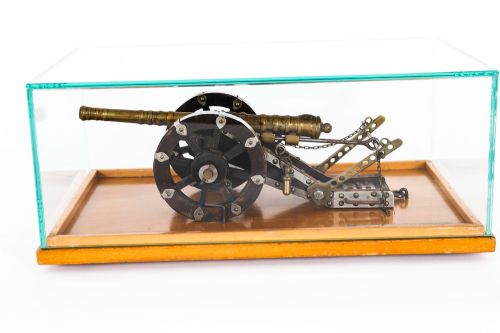
Engineering models incorporate functional elements such as spirit-fired steam mechanisms or bronze barrels on miniature cannons. Folk art examples employ simpler materials including matchsticks and pine.
Vintage Scale Model Retail Price Guide 2026
Typical asking prices for vintage scale model among the pieces listed under this phrase on Sellingantiques today, from the lower quarter to the upper quarter. They describe what is for sale here now, not the wider market.
The listings span the eighteenth century to the 1960s, featuring wood, brass, cast iron and painted steel across transport and architectural forms.
Assessing Quality and Execution
Quality rests in the precision of the miniature engineering and the fidelity of the architectural or maritime details. Finer examples display meticulous rigging on ships, exact mechanical proportions on locomotives and careful hand-painted finishes.
Maker signatures and exhibition provenance elevate specific pieces above standard workshop output. The complexity of the construction, from multi-part cast iron machinery to scratch-built wooden carriages, determines the standing of an individual item.
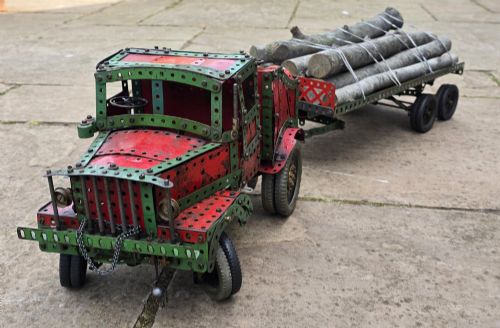
R.D. Roberts·Meccano·Werner Degner Hohm
The Vintage Scale Model Glossary
- Scratch built
- Constructed entirely from raw materials by the maker rather than assembled from a commercial kit. This method often results in unique architectural and transport representations.
- O gauge
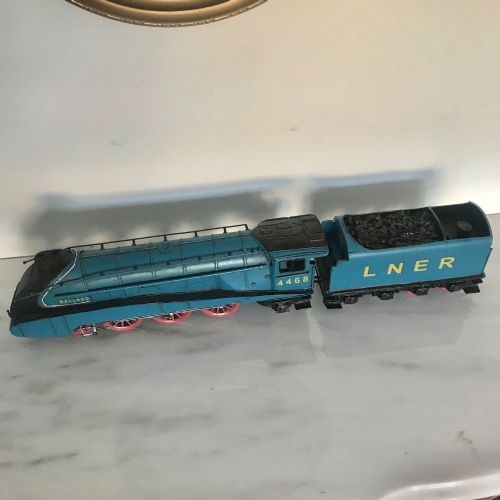
- A specific track scale used for model railway locomotives and tenders. This standard allows model steam trains to run on defined rail widths.
- Barque
- A sailing vessel with three or more masts where the aft mast is rigged fore-and-aft and the others are square-rigged. Miniature versions appear frequently in maritime selections.
- Pond yacht
- A toy or model sailing boat designed to sail across open water uncrewed. These items feature fully rigged sails and weighted keels for stability.
- Folk art
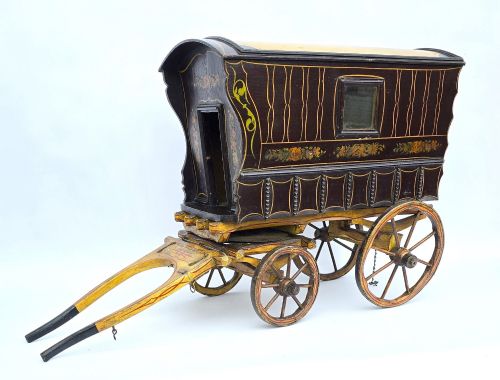
- Objects created by self-taught individuals outside formal manufacturing traditions. Examples include handmade wooden caravans and matchstick houses.
Vintage Scale Model: Frequently Asked Questions
How were working models powered?
Certain engineering and railway models utilise spirit-fired steam systems to generate movement. These mechanical versions replicate the action of full-size locomotives and stationary engines.
Non-working display pieces rely purely on static construction, focusing on visual fidelity rather than operational mechanics.
How do I identify the period?
Dating relies on the style of the subject, the construction materials and occasional maker signatures or dates inscribed on the piece. Architectural forms, naval vessels and railway engines correspond to specific historical eras.
Catalogues and listings connect specific manufacturing techniques, such as nineteenth-century cast bronze or early twentieth-century scratch building, to their respective decades.
Where should I display them?
These models require stable flat surfaces away from direct sunlight and excessive humidity to protect delicate wooden and painted components. Cased pieces offer built-in protection from dust and handling.
Placing items on shelves or dedicated display cabinets allows clear viewing of intricate rigging, metalwork and architectural details.