



Vintage Satirical Art
Vintage satirical art holds a mirror to society through biting wit, and these pieces capture the humour and political jabs of past eras.
Vintage Satirical Art
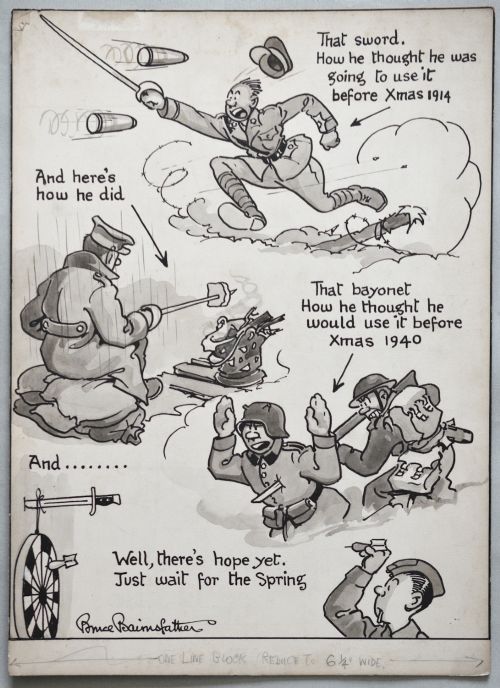
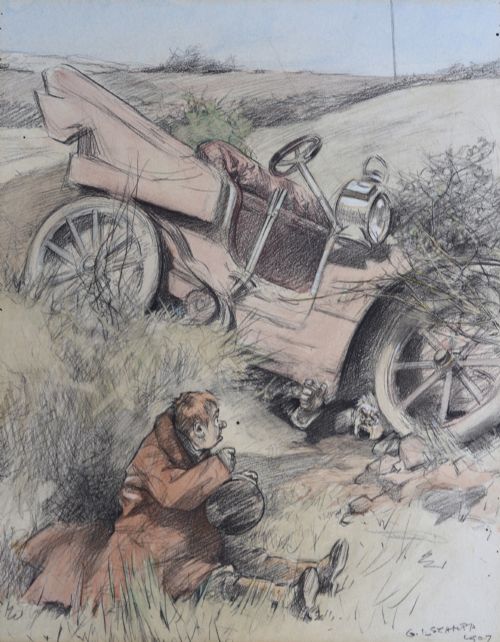
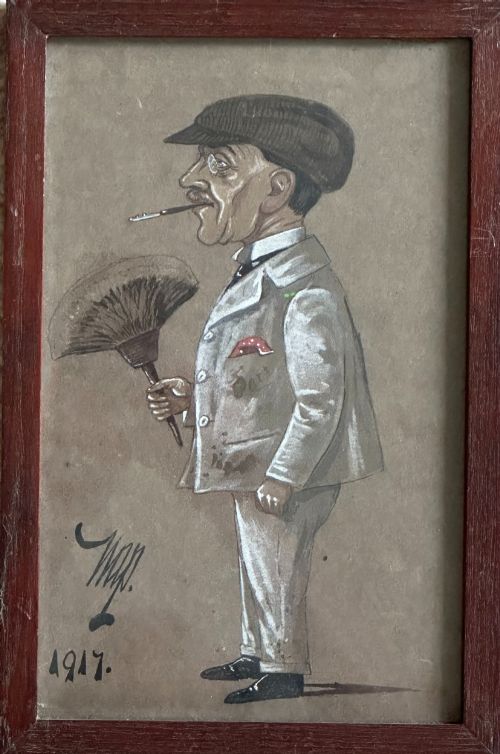
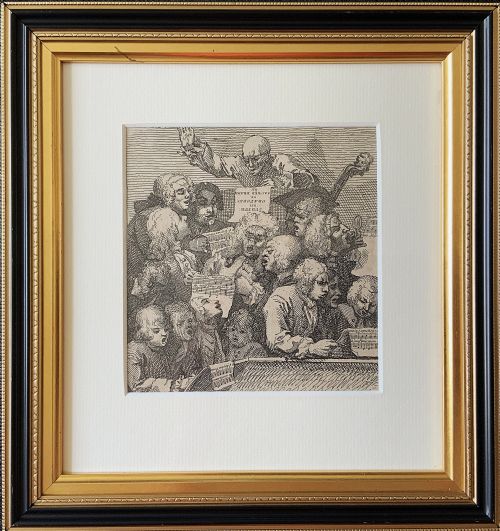
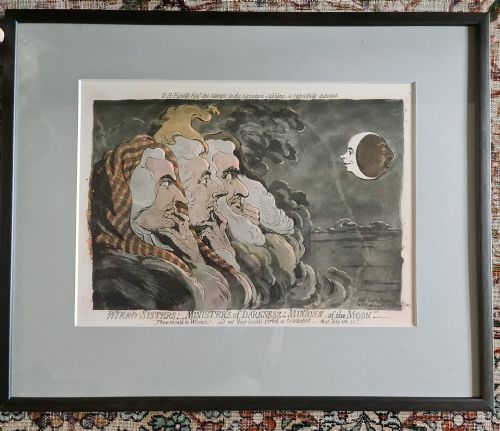
Vintage satirical art comprises framed works, prints, and original illustrations that lampoon social norms and politics. Collectors seek these pieces for their sharp social commentary and historical wit.
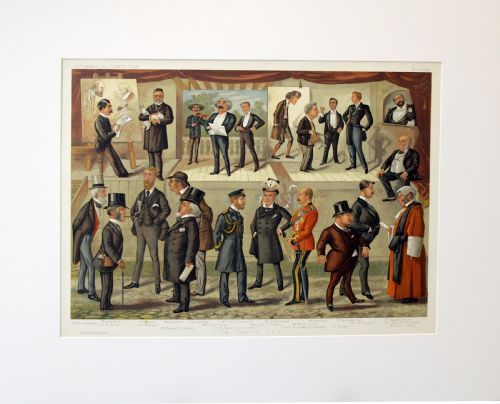
The selection ranges from Georgian engravings and Victorian caricatures to early twentieth-century illustrations and 1950s etchings. Buyers most frequently encounter framed prints and original watercolours from the nineteenth and early twentieth centuries on this page.
How vintage satirical art was made
Artists and printmakers utilised paper as the primary support, applying ink, watercolour, pencil, wash, and gouache by hand. Engravers also worked copper plates to produce detailed runs of prints.
Chromolithography emerged for vibrant multi-coloured plates, while traditional etching and engraving methods delivered fine monochrome lines. These varied techniques ensured each piece met the reproduction or presentation needs of its era.
Vintage Satirical Art Retail Price Guide 2026
Typical asking prices for vintage satirical art among the pieces listed under this phrase on Sellingantiques today, from the lower quarter to the upper quarter. They describe what is for sale here now, not the wider market.
Object types span framed artwork, wall art, antique prints, watercolour paintings, and original illustrations.
What varies in quality
The skill of the draughtsman or engraver dictates the strength of the line and the precision of the facial expressions. Masterful handling of watercolour or ink brings the caricature to life far more effectively than rigid, hesitant strokes.
The method of production also alters the character of the piece, with hand-drawn watercolours offering unique individual brushwork, whilst copper engravings and chromolithographs rely on the crispness of the impression.
George Lorain Stampa·Bruce Bairnsfather·William Hogarth·E.L. Riepenhausen·Thomas Worth
The Vintage Satirical Art Glossary
- Caricature
- A rendered portrait or scene exaggerating peculiarities for comic or satirical effect. It forms the core of many satirical works.
- Chromolithography
- A colour lithographic printing technique used to produce multicoloured prints. This method allowed vivid publication of satirical plates.
- Copper engraving
- An intaglio printmaking process where an image is incised into a copper plate with a burin. It produces fine, sharp lines suited for detailed satirical scenes.
- Etching
- A process where acid cuts into unprotected parts of a metal plate to hold ink. Artists utilised this to create tonal depth in satirical prints.
- Wash
- A diluted layer of ink or watercolour applied to provide subtle tonal shading. It adds atmosphere and depth to original drawings.
Vintage Satirical Art: Frequently Asked Questions
What periods do these pieces span?
The works stretch from Georgian and Victorian times through the Edwardian era into the mid-twentieth century. This timeline covers centuries of shifting social commentary.
Buyers encounter various printing techniques and original painting styles representative of each distinct century and decade.
Are these works original?
The page includes both hand-painted original watercolours and period printed plates such as copper engravings and chromolithographs. Each listing specifies the exact medium used.
Original drawings offer unique artist brushwork, whereas antique prints represent period publishing output.
How should I frame these pieces?
Framed artwork and prints require conservation mounting to protect delicate paper from acid degradation. Keeping them away from direct sunlight preserves watercolours and inks.
Appropriate framing maintains the historical integrity of the piece while allowing safe display on walls.
How do I identify political prints?
Political prints often feature specific historical figures, election themes, or social commentary tied to events of the nineteenth and twentieth centuries. Text inscriptions or titles frequently provide context.
Styles range from American political cartoons to British magazine supplements.