



Vintage Royal Crest
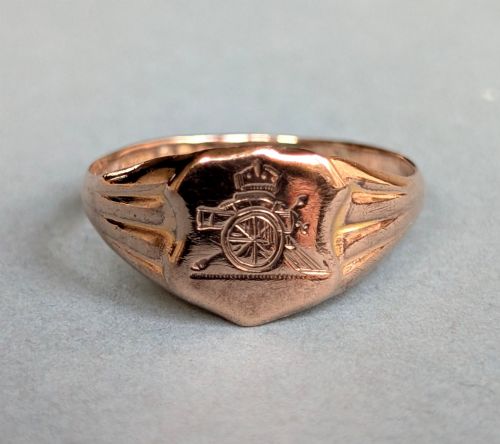
These vintage royal crest pieces are heraldic ironwork, brass plaques, and commemorative items carrying royal and military symbols that anchor history to a wall.
Vintage Royal Crest
When you search for vintage royal crest items, you are looking at heraldic objects, wall plaques, and metalwork that display official coats of arms, military badges, and royal insignia. These pieces originate from various periods including the nineteenth century and the early twentieth century, reflecting centuries of official symbolism and civic pride.
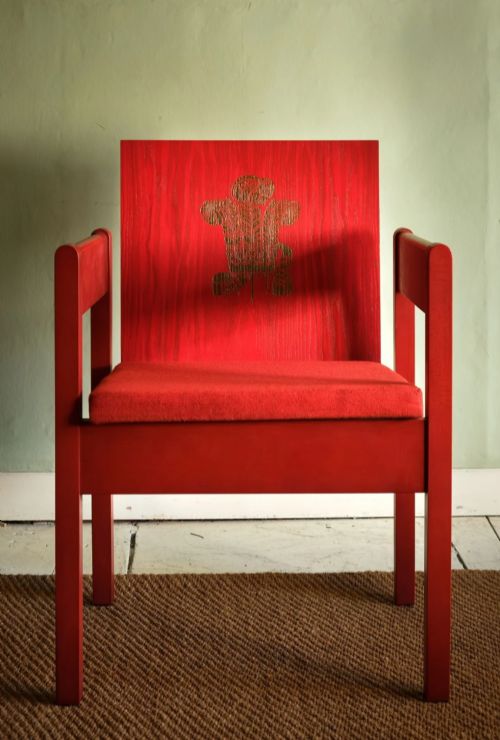
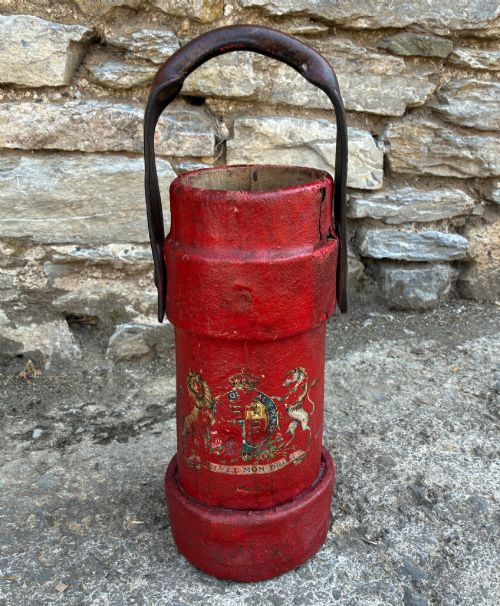
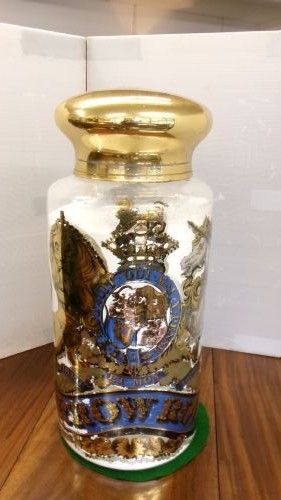
On this page, you are most likely to meet heavy cast iron armorial plaques, brass safe plates, and commemorative items such as jubilee plaques and military helmets. These objects span diverse domestic and institutional contexts, ranging from maritime fire buckets to apothecary jars and bookcases adorned with heraldic details.
The materials and forms vary considerably, encompassing oak fire buckets with armorial crests, stoneware barrels, and glass display jars alongside robust metal castings. Each piece serves as a physical record of official branding, royal allegiance, or military service from eras past.
How they were made
The manufacture of these pieces relies heavily on durable materials such as cast iron, brass, and oak, chosen for their longevity and structural strength. Metal elements are typically cast or stamped, whilst wooden items like fire buckets utilise traditional cooperage techniques paired with painted or applied armorial crests.
Surface decoration involves gold leaf application, hand-painting, and precise moulding to articulate the intricate details of crowns, lions, unicorns, and royal mottos. Glass jars and stoneware vessels incorporate fired ceramic transfers and hand-blown forming methods to display pharmacy labels and tavern branding.
Vintage Royal Crest Retail Price Guide 2026
Typical asking prices for vintage royal crest among the pieces listed under this phrase on Sellingantiques today, from the lower quarter to the upper quarter. They describe what is for sale here now, not the wider market.
Materials in this selection span cast iron, brass, oak, leather, glass, canvas, and gold leaf across multiple centuries.
What varies in quality
Proportion and scale also dictate quality, with larger, heavier cast iron coats of arms commanding greater visual presence than smaller plaques. The integrity of original materials, such as untouched oak staves in fire buckets or unpolished brass on safe plates, separates masterwork specimens from lesser or heavily restored items.
The Vintage Royal Crest Glossary
- Armorial crest
- A design derived from the upper part of a coat of arms, often displayed independently on military equipment, silver, and plaques. It forms a key element of heraldic visual identification.
- Cast iron
- An iron-carbon alloy poured into moulds to create heavy, rigid objects with detailed relief work. It provides the durable substrate for large Victorian wall plaques and architectural coats of arms.
- Gold leaf
- Gold beaten into extremely thin sheets used for gilding and highlighting raised details on heraldic carvings and plaques. It adds a luminous finish that resists tarnishing over decades.
- Cordite
- A type of smokeless propellant used in British military munitions from the late nineteenth century onwards. Cordite containers and shell carriers often bear military markings and crests.
- Apothecary jar
- A glass or ceramic container used by chemists and pharmacists to store dry ingredients or liquids. Larger display examples frequently feature painted labels and royal or institutional crests.
Vintage Royal Crest: Frequently Asked Questions
What are vintage royal crest plaques made from?
These pieces are predominantly constructed from heavy cast iron, brass, and carved oak, depending on their original municipal or military function. Metal castings and wooden fire buckets represent the primary durable mediums used to display heraldic symbols.
Surface treatments frequently incorporate gold leaf and traditional oil paints to accentuate the intricate details of the royal coats of arms and armorial bearings.
How were cast iron royal coats of arms used?
Large cast iron coats of arms were traditionally mounted above the entrances of government buildings, courtrooms, and military establishments to denote official authority. They also appeared on notable civic infrastructure and large safes to signify royal warrants or institutional status.
Over time, these robust plaques transitioned into decorative interior objects valued for their historical gravitas and sculptural heraldic forms.
How do I date a vintage royal crest?
Dating relies on the stylistic markers of the specific period, such as Victorian Gothic elements, Edwardian military motifs, or mid-nineteenth-century casting techniques. Materials like early oak staves, hand-blown apothecary glass, and specific brass foundry stamps also help narrow the timeframe of manufacture.
Inscribed dates, royal cyphers, and commemorative text relating to jubilees provide direct historical anchors for identifying the era of production.
Where should I hang a heavy iron crest?
Due to the substantial weight of cast iron armorial plaques, they require secure masonry fixings or heavy-duty wall anchors attached directly to structural studs. Placement should take account of both the physical load-bearing capacity of the wall and the visual prominence needed to showcase the relief work.
Positioning them at eye level in studies, hallways, or living rooms allows the fine details of the crown, lion, and unicorn to be properly appreciated.