


Vintage Round Wine Table
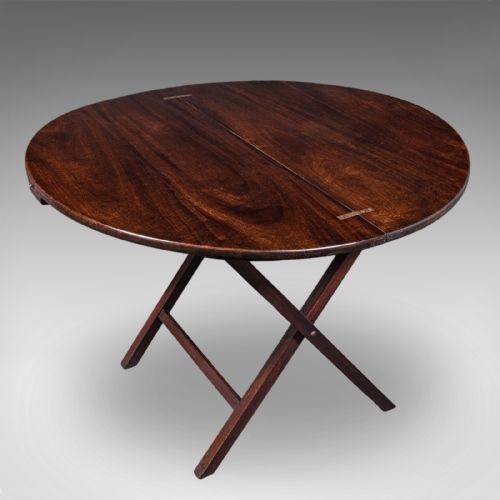
A vintage round wine table brings compact utility and classic timber character to a corner, most frequently appearing in mahogany, oak, or walnut.
Vintage Round Wine Table
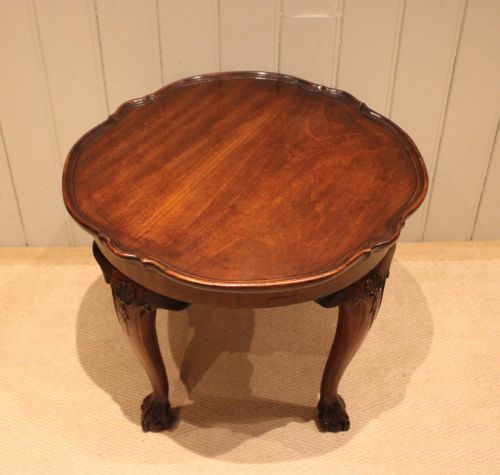
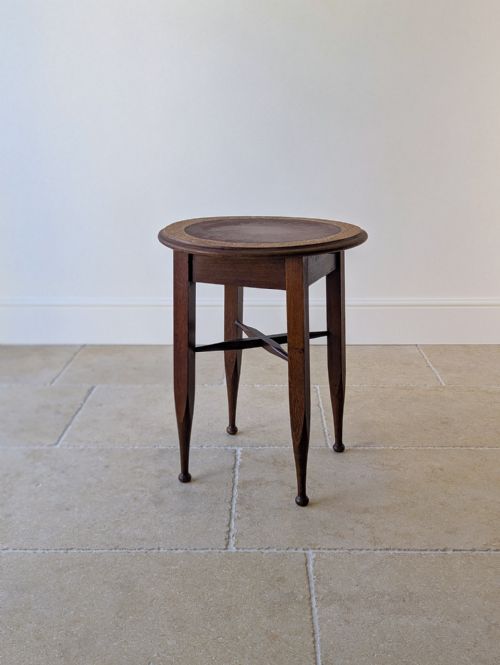
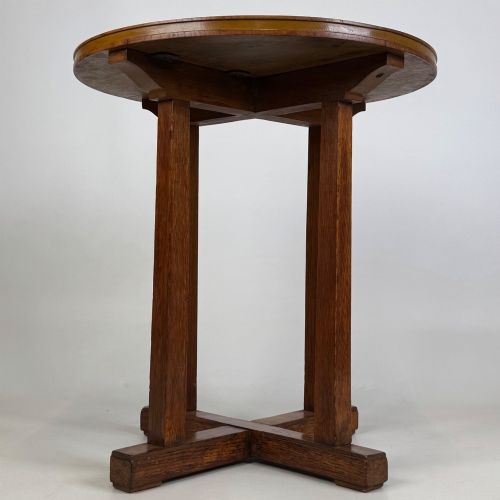
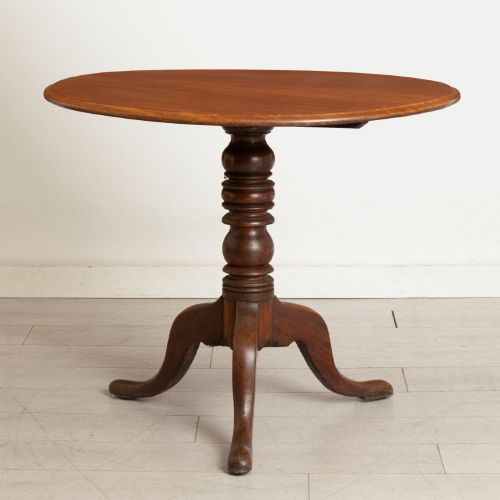
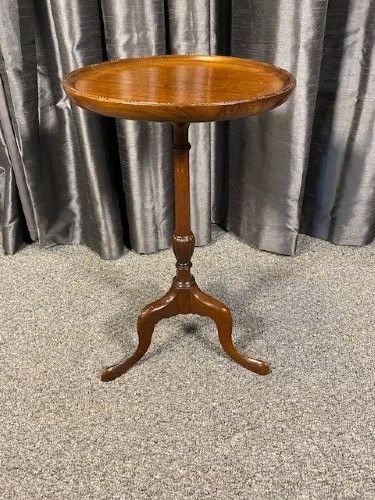
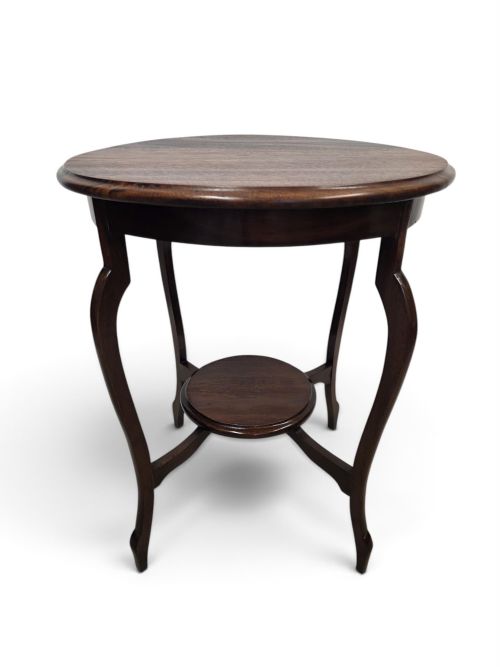
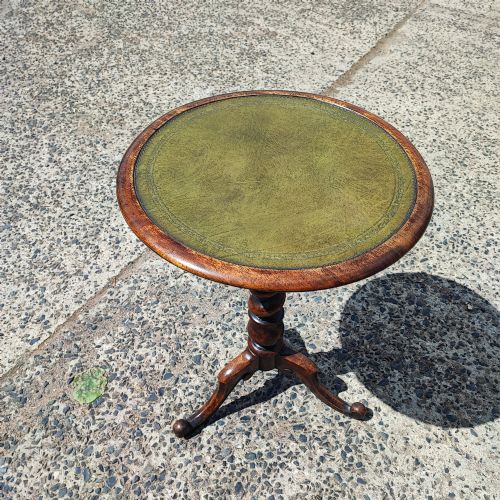
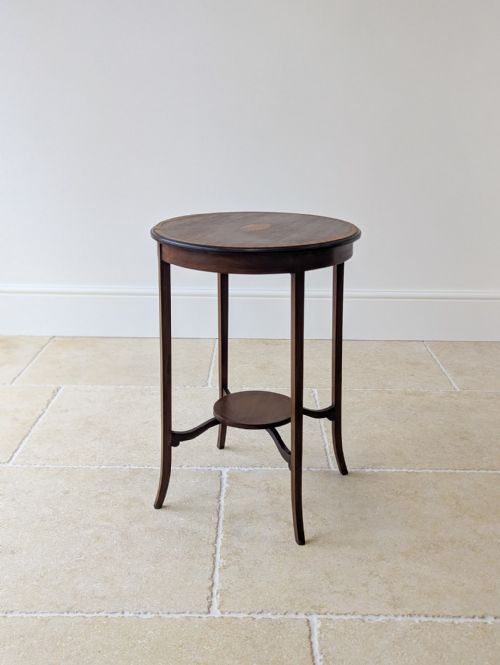
A vintage round wine table is typically found in forms such as tripod tables, tilt-top designs, and occasional or lamp tables originating from periods spanning the Georgian era through to the 1930s. These pieces function as small accent surfaces designed to hold glasses, books, or lamps without dominating a room.
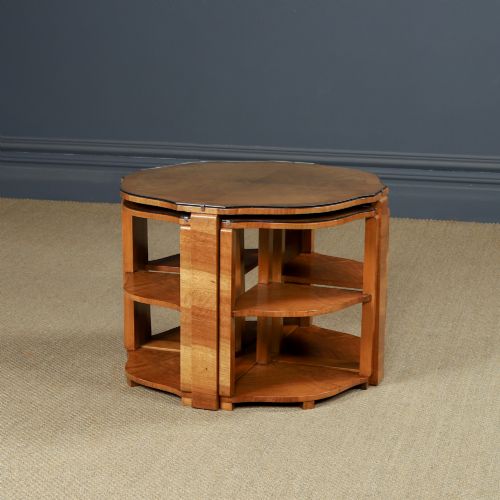
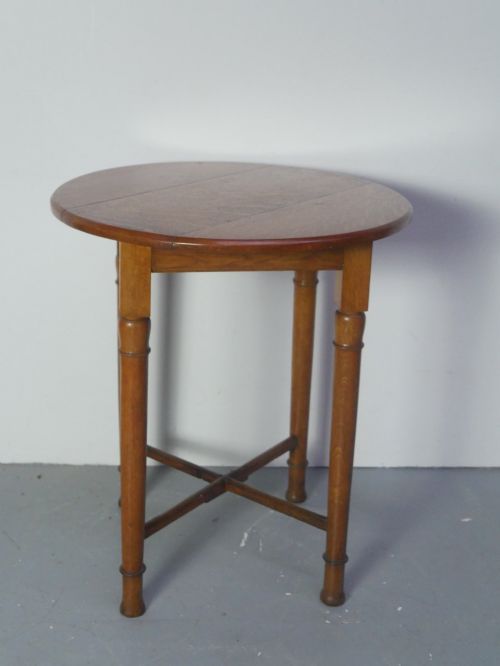
The specimens seen here draw from Edwardian, Victorian, and Georgian traditions, alongside early twentieth-century interpretations including Art Deco and Arts & Crafts styles. Mahogany and oak dominate the selections, accompanied by walnut, teak, yew wood, and occasional marble-topped French guéridons.
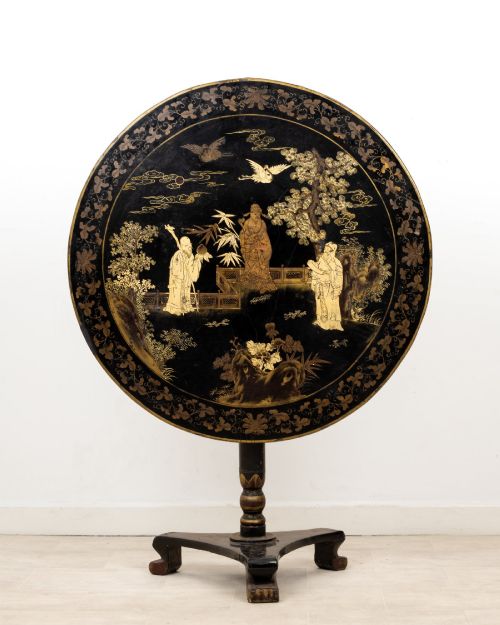
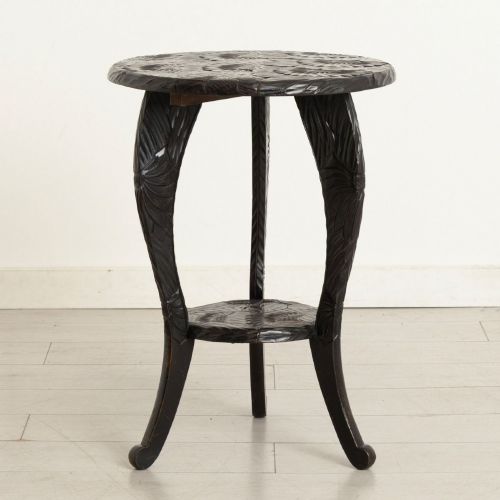
Buyers searching for a vintage round wine table often encounter tripod bases fitted with central pillars, alongside folding or nest formats intended for flexible placement. Regional variations extend to Far Eastern carved tables and Chinese lacquer finishes that broaden the traditional British timber repertoire.
Indicators of quality
Quality in these pieces rests upon timber selection and the integrity of the joinery, particularly where the central pillar meets the tripod legs. Dense, well-figured mahogany or burr walnut indicates a higher grade of material than plain secondary woods.
The crispness of hand-carving and the stability of the tilt-top mechanism distinguish standard production items from finer workshop pieces. Original fittings, such as brass catches or undisturbed patination, mark the upper tier of survivals.
Several examples double as miniature dining spots for garden gnomes, though evidence suggests they were actually built for human refreshments.
Liberty of London·Waring & Gillow
The Vintage Round Wine Table Glossary
- Tripod table
- A small circular table supported by a central pillar resting on three legs. This construction prevents wobbling on uneven floors.
- Tilt-top
- A table top hinged to the central column so it can be pivoted vertically when not in use. This allowed the furniture to be stored flat against a wall.
- Guéridon
- A small French occasional table, frequently featuring a round marble top and a columnar base. These tables arrived in various interpretations throughout the nineteenth century.
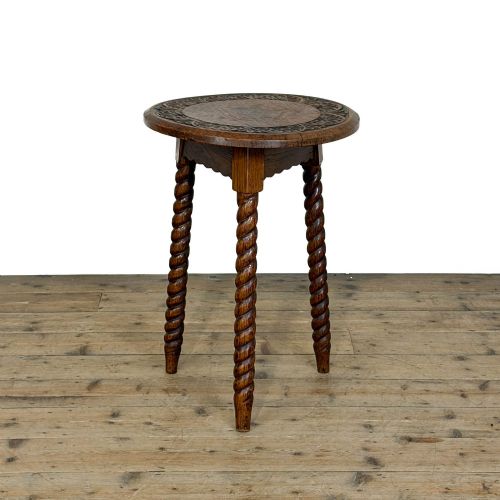
- Barley twist
- A type of furniture leg turned in a spiral resembling a twisted rope. This decorative carving style appears frequently on Victorian and Edwardian oak and walnut pieces.
- Occasional table
- A light, movable small table designed for specific, intermittent uses such as holding a lamp or a drink. They form the largest category within this style group.
Vintage Round Wine Table: Frequently Asked Questions
What was a wine table used for?
These small tables were originally designed to hold glasses and bottles of wine near seating areas during social gatherings in the evening. Their compact surface area kept refreshments within easy reach without requiring a large piece of furniture.
Over time, their utility expanded into general domestic use as lamp tables, plant stands, or occasional surfaces for hallways and drawing rooms.
How do I date an antique round table?
Dating relies on examining the timber species, construction methods, and stylistic cues present in the turning and base design. Georgian and Victorian examples often display heavier timber scantlings and traditional hand-cut joinery.
Twentieth-century pieces from the Edwardian era or the 1930s introduce lighter proportions, alternative materials like teak or yew, and different approaches to surface finishing.
Are tilt-top tables stable?
Tilt-top tables rely on a catch mechanism beneath the surface to secure the top in a horizontal position during use. When the mechanism is well-adjusted, the surface remains firm for everyday items like lamps or books.
Wear in the wooden block or pivot pin can introduce minor movement, which is a common characteristic in older folding furniture.
Where should I place a wine table?
Their small footprint makes these tables ideal for tight corners, beside armchairs, or between occasional seating where a full-sized side table would not fit. They work well as accent pieces to break up empty wall spaces.
Care should be taken to keep antique timber and marble tops away from direct heat sources and prolonged direct sunlight.