




Vintage Round Wall Art
Vintage round wall art brings circular form and period character to a room, ranging from mirrors and clocks to carved panels.
Vintage Round Wall Art
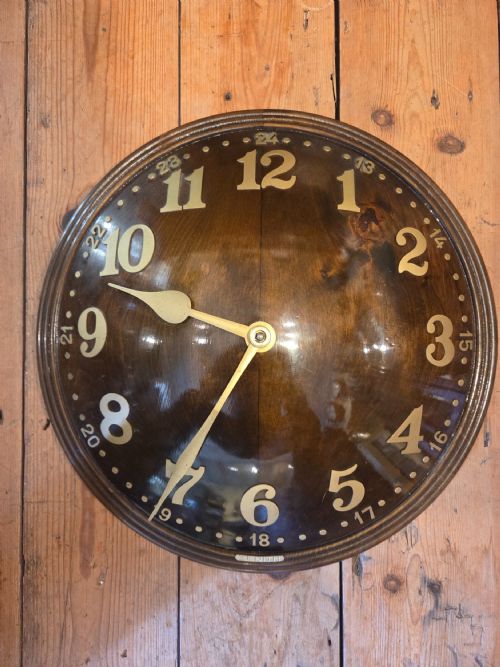
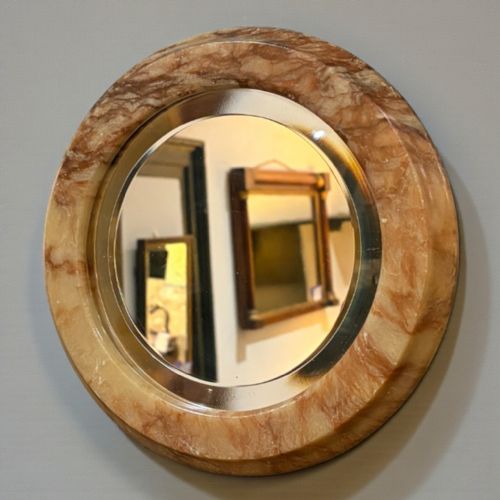
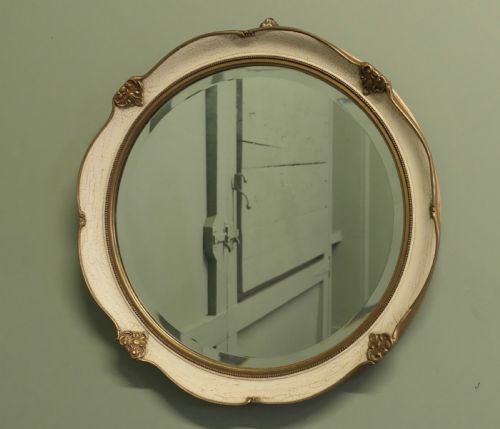
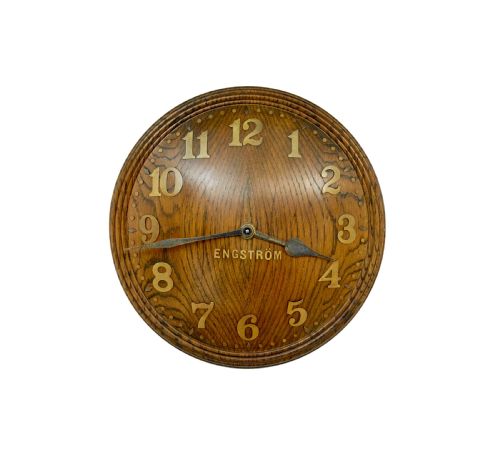
Vintage round wall art spans objects designed to hang on vertical surfaces in a circular format, drawing the eye through symmetry and form. When exploring vintage round wall art, buyers encounter mirrors, clocks, panels, chargers, and framed pictures.
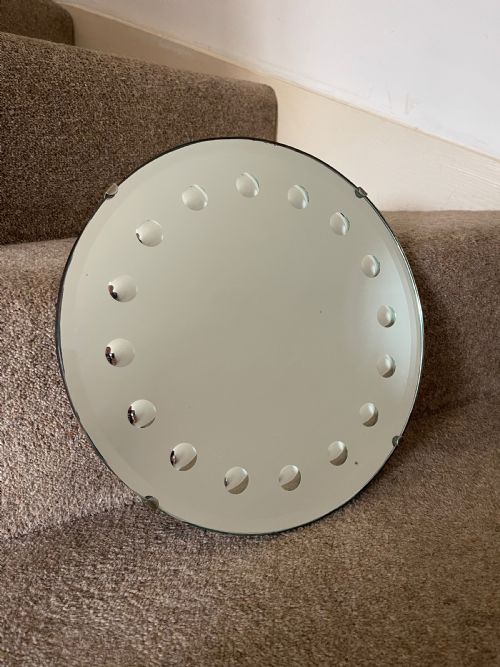
The pieces appearing here lean heavily into the twentieth century, particularly the Art Deco period, alongside Victorian and nineteenth-century examples. Mirrors and clocks dominate the selection, often taking circular shapes that soften linear interiors.
Origins vary across French workshops, British domestic spaces, and further afield, yielding materials from oak and brass to glass and alabaster. Each object brings its own functional history to the wall, shifting from timekeeping to reflection and decoration.
Materials and construction
Makers utilised timber such as oak alongside metals including brass, copper, and chrome to build sturdy circular frames and casings. Glass serves a dual purpose, appearing as bevelled mirror plates or as protective glazing over watercolours, needlework, and prints.
Specialist techniques define the decorative surfaces, from the etched motifs on mirrors and cloisonne enamel on chargers to hand-painted coastal watercolours and carved carousel panels. Frames often combine painted finishes, gilt, and cream tones to highlight the circular geometry.
Some mirrors go by the mysterious title of sorcerer type, bringing a touch of optical curiosity straight to your hallway wall.
Assessing quality and execution
Quality rests in the crispness of the hand-carved detail on wooden panels and the precision of the etching on mirror glass. Superior examples display careful joinery in circular wooden frames and well-preserved surfaces on brass and copper components.
The integrity of the original materials dictates the distinction between standard items and finer pieces, such as clear silvered glass without excessive degradation or authentic mechanical movements in clocks.
The Vintage Round Wall Art Glossary
- Art Deco
- A design style spanning the 1920s and 1930s characterised by geometric shapes, stylised motifs, and sleek materials. It heavily influences the circular mirrors and clocks found in this category.
- Cloisonne
- An ancient technique for decorating metalwork objects with coloured glass paste separated by strips of metal wire. It appears on decorative chargers from the Japanese Meiji period.
- Carousel panel
- A carved and painted wooden panel salvaged from fairground rides, often depicting animals or folk art scenes. These nineteenth-century pieces serve as bold wall ornamentation.
- Alabaster
- A fine-grained mineral stone used for carving decorative objects and mirror frames. Its translucent quality gives a soft appearance to circular wall pieces.
- Bevelled glass
- Glass cut with an angled edge around the perimeter to catch and refract light. This treatment adds depth to circular wall mirrors.
Vintage Round Wall Art: Frequently Asked Questions
Are these clocks still in working order?
Clock listings note whether timepieces retain their original movements or have undergone conversion, such as adaptation to modern battery operation.
Review the specific description for each clock to determine if the mechanical movement functions or requires professional servicing.
How do I clean antique mirror glass?
Clean silvered glass gently with a soft cloth and a mild, ammonia-free glass cleaner applied to the cloth rather than sprayed directly onto the glass.
Avoid harsh scrubbing near the edges of the plate where the silvering backing may be fragile or aged.
What rooms suit circular wall art?
Round pieces break up the monotony of rectangular furniture and doorways, making them effective focal points above fireplaces, sideboards, and beds.
Smaller circular frames also work well in narrow hallways or grouped alongside other wall displays for added texture.
How do I date an Art Deco mirror?
Art Deco mirrors from the 1920s and 1930s typically feature characteristic geometric lines, frameless designs with shaped edges, or contrasting gilt and cream finishes.
Examining the backing boards, screw types, and mounting hardware often provides further clues to the manufacturing era.