

Vintage Round Table
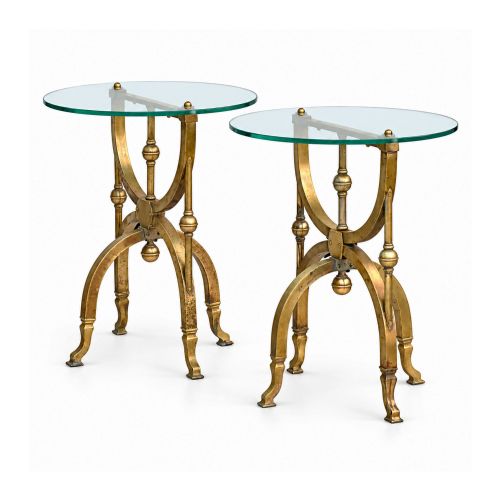
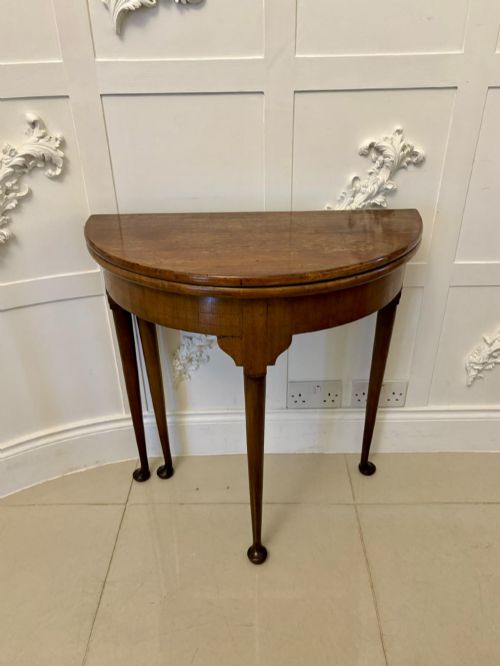
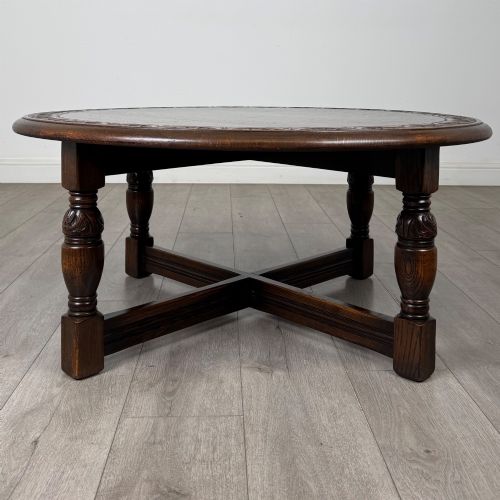
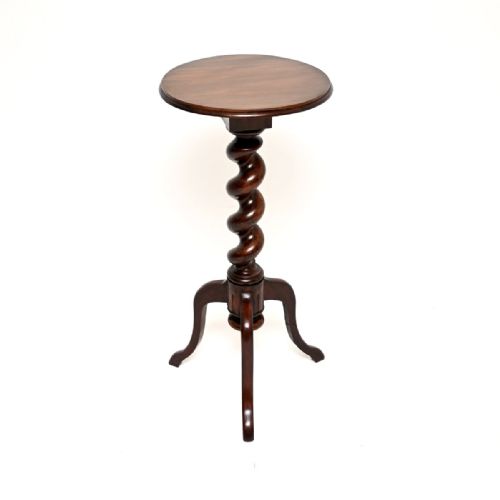
A vintage round table offers compact elegance and versatile function, bringing period character to any corner through diverse woods and metals.
Vintage Round Table
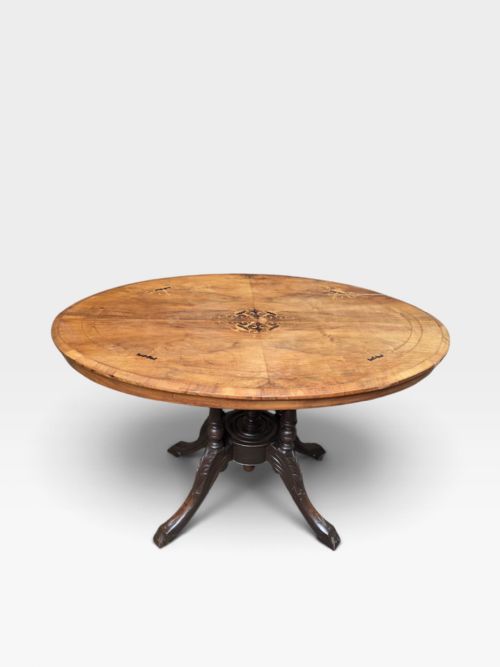
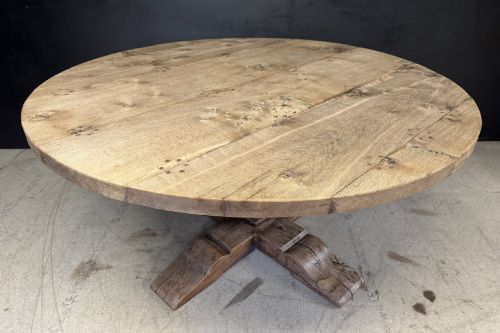
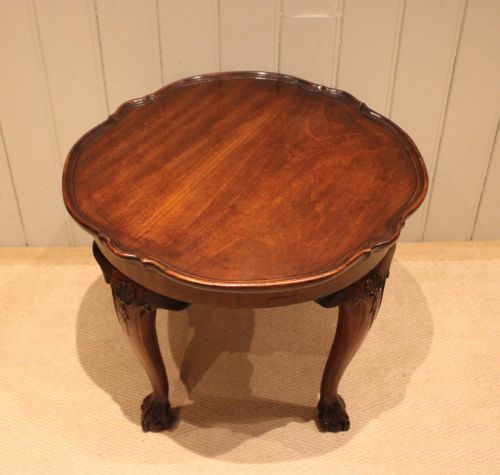
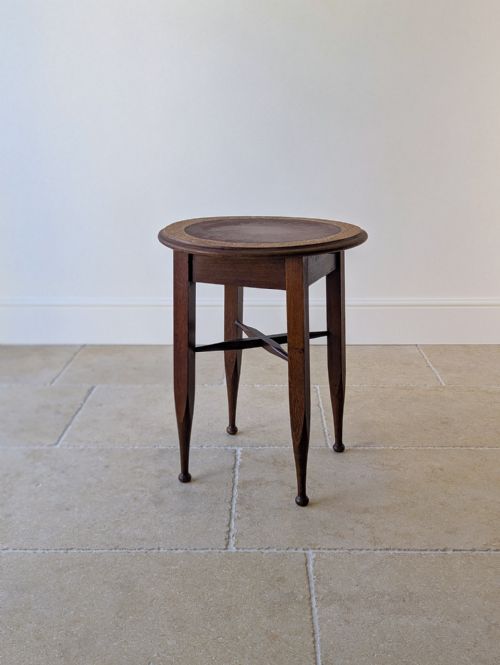
When you search for a vintage round table, you encounter a wide array of circular forms designed for dining, resting drinks, or displaying ornaments. The selections span compact wine tables and cricket tables to larger breakfast tables, centre tables, and bistro sets.
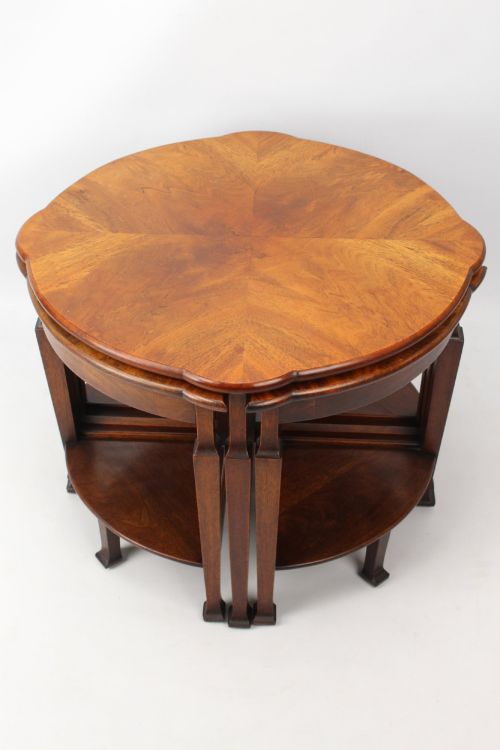
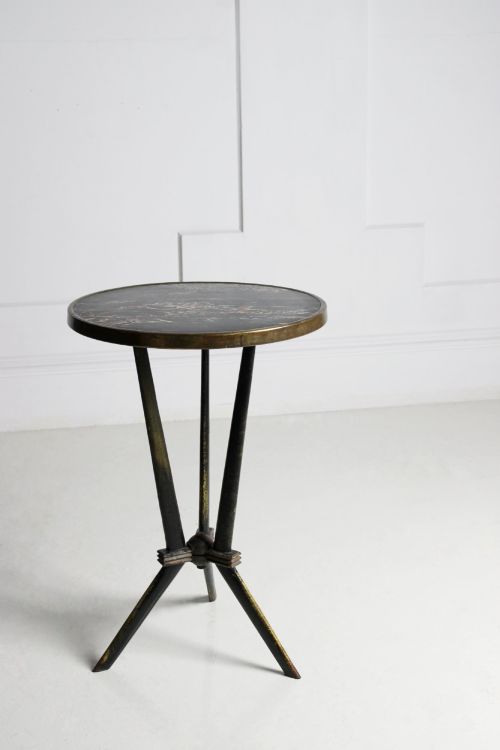
The assortment draws from periods including the Georgian era, the Victorian age, Edwardian years, and the Art Deco movement of the 1930s. You will frequently find smaller occasional tables, coffee tables, and side tables shaped in the round.
Origins vary from English workshops to French ateliers and Chinese studios, utilising diverse forms from tilt-top mechanisms to tiered structures and tripod bases.
Materials and construction methods
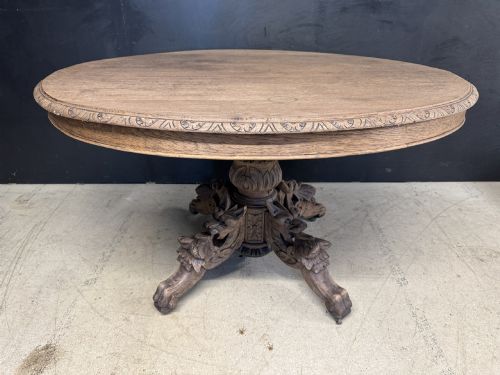
Construction relies heavily on traditional timbers such as mahogany, walnut, oak, pine, and yew wood, often shaped with carved details, marquetry, or intricate parquetry. Cabinet makers utilised solid woods alongside veneers like figured walnut to create patterned surfaces on tops and tiers.
Judging the quality of circular tables
Quality rests on the selection of timber and the precision of the joinery, distinguishing finely figured walnut or mahogany veneers from plain or hastily assembled boards. Cabinet work is evident in stable tripod bases, smooth tilt-top mechanisms, and crisp carving.
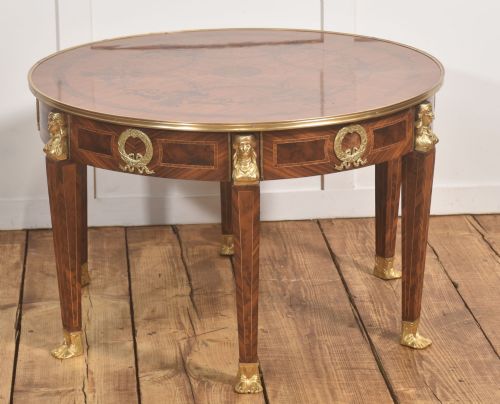
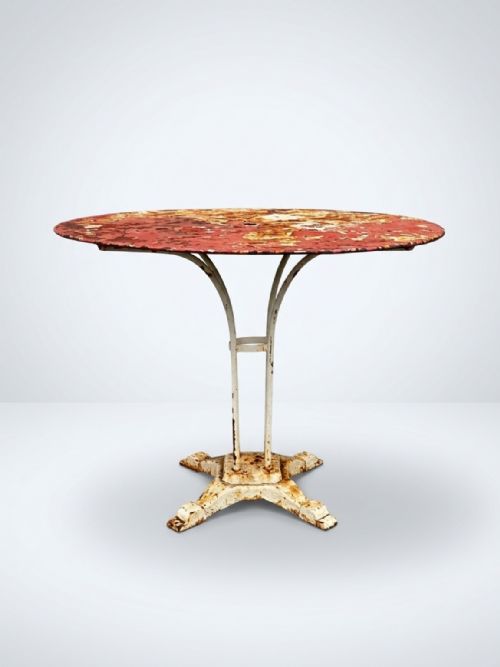
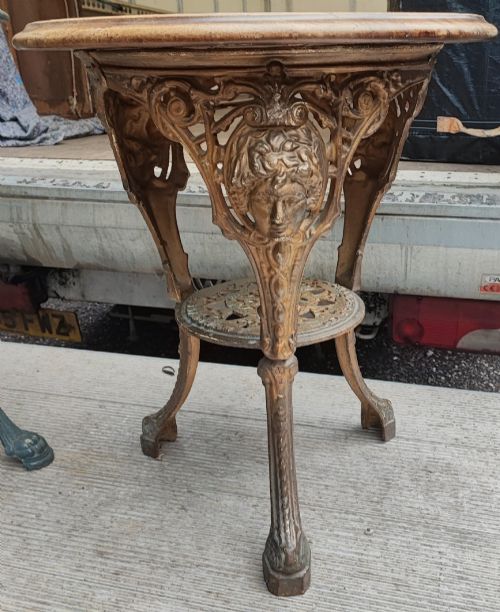
The integration of mixed media, such as finely chased brass or ormolu mounts, cast iron frames, and fitted marble tops, separates standard utility items from high-end pieces produced by skilled makers and Parisian ateliers.
Liberty of London
The Vintage Round Table Glossary
- Cricket table
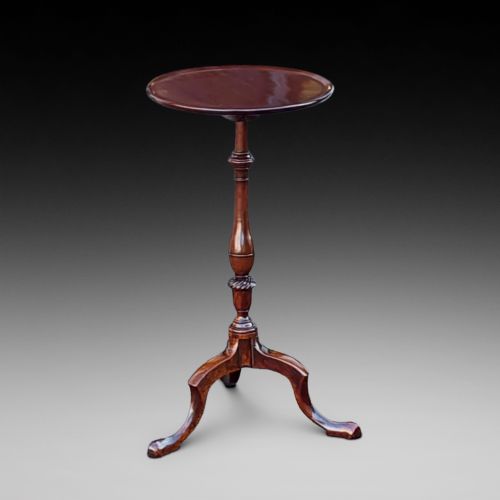
- A small three-legged wooden occasional table with a circular top, traditionally used near firesides. Its tripod base ensures stability on uneven floors.
- Tilt top table
- A table featuring a mechanism that allows the circular top to pivot vertically when not in use. This clever design saved space in smaller rooms.
- Gueridon
- A small French circular table supported by one or more columns, popular from the seventeenth century onwards. These function well as accent or centre tables.
- Ormolu
- Gilt bronze mounts applied to furniture for decorative effect, frequently seen on fine nineteenth-century French tables. The technique involves applying a mercury and gold amalgam to bronze.
- Marquetry
- Inlaid patterns formed using various tinted wood veneers applied to a furniture surface. This technique creates pictorial or geometric designs on table tops.
Vintage Round Table: Frequently Asked Questions
What is a tilt top table used for?
A tilt top table allowed owners to pivot the circular top into a vertical position against a wall when floor space was needed. They served primarily as occasional pieces for holding books or tea.
In modern rooms, they function well as decorative display pieces where the patterned wood grain of the top remains visible.
Where should I place an occasional table?
Occasional tables fit easily beside armchairs, in narrow hallways, or as central surfaces in smaller reception rooms. Their circular shape softens angular room layouts.
They provide a convenient surface for lamps, drinks, or small decorative items without dominating the available floor space.
How do I identify an Art Deco table?
Art Deco tables from the 1930s often feature geometric symmetry, stepped tiers, and highly figured walnut veneers. Chrome, brass, and mirrored glass frequently appear alongside polished woods.
These pieces typically showcase streamlined silhouettes that reflect the modern design movements of the interwar period.
What distinguishes a bistro set?
A bistro set combines a small circular table with matching chairs, traditionally constructed from cast iron with marble or wooden tops. They were designed for compact dining in small spaces or gardens.
The sturdy metal frames and weather-resistant materials made them practical for both indoor and outdoor hospitality.