



Vintage Round Stands
These vintage round stands bring compact surface space and solid timber presence to a room without crowding the floor.
Vintage Round Stands
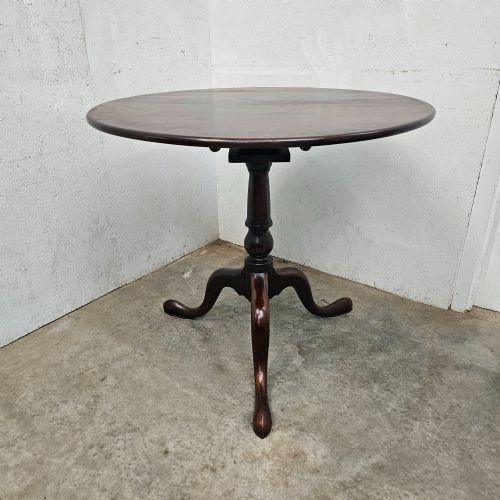
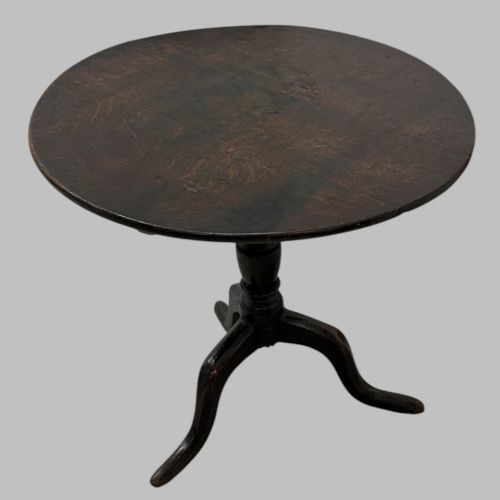
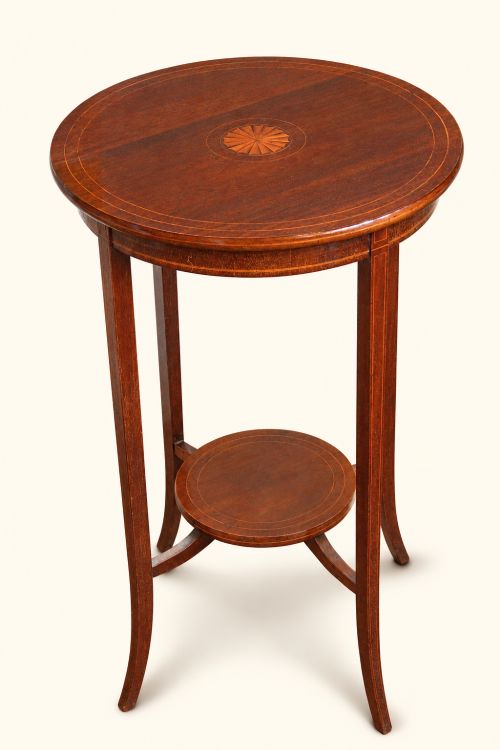
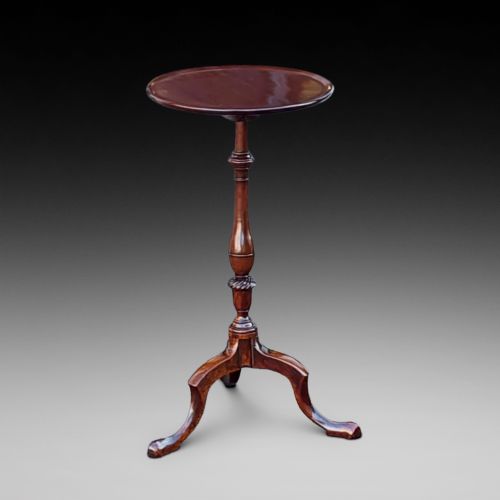
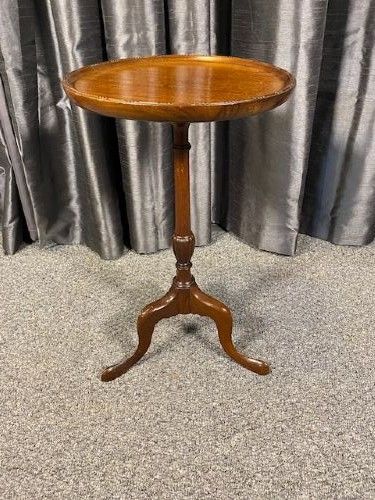
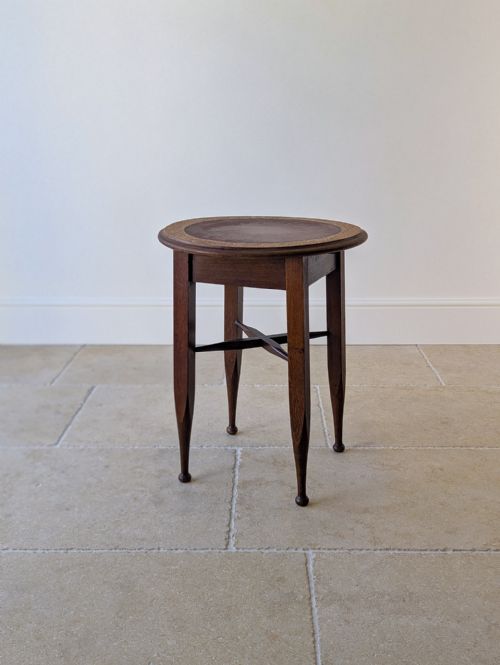
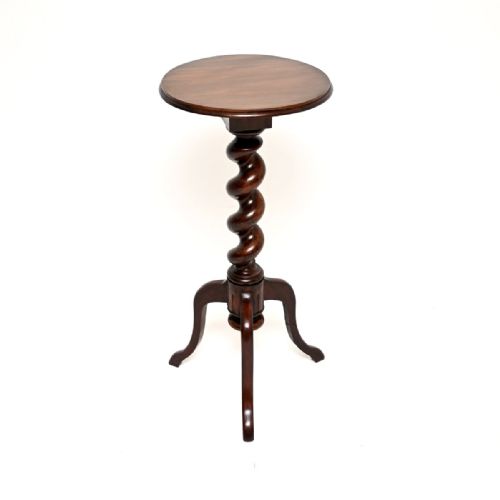
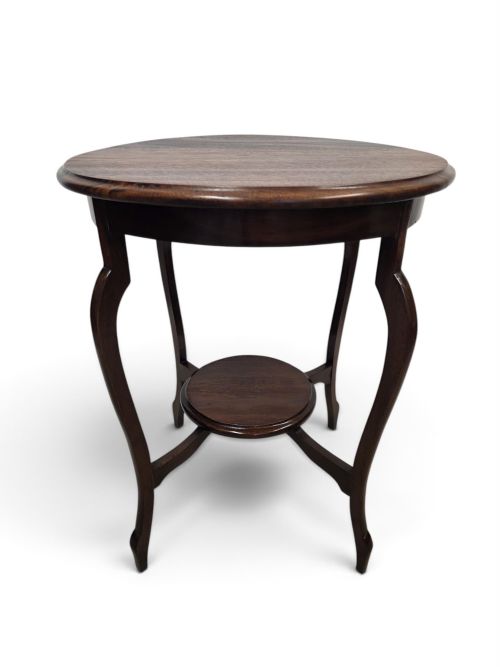
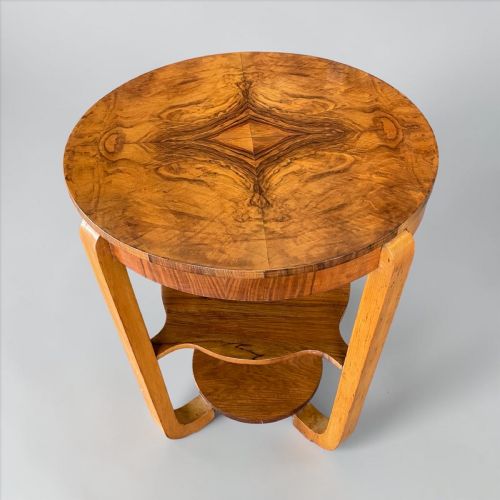
When you search for vintage round stands, you find a varied group of circular occasional pieces designed for specific household tasks rather than general use. The selection spans compact wine tables, lamp tables, plant stands, and occasional furniture spanning the Georgian period through to the Art Deco era.
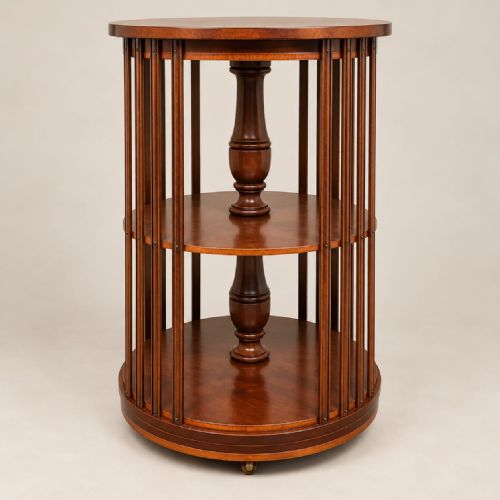
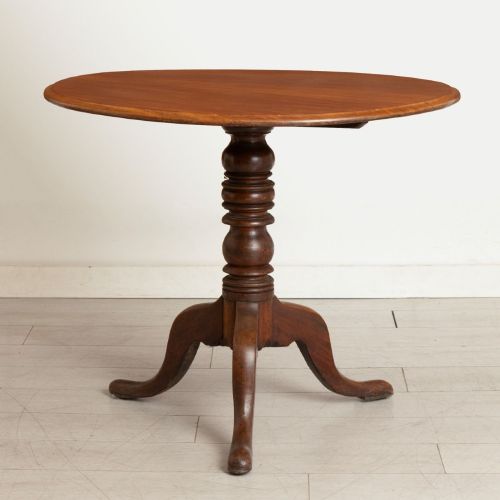
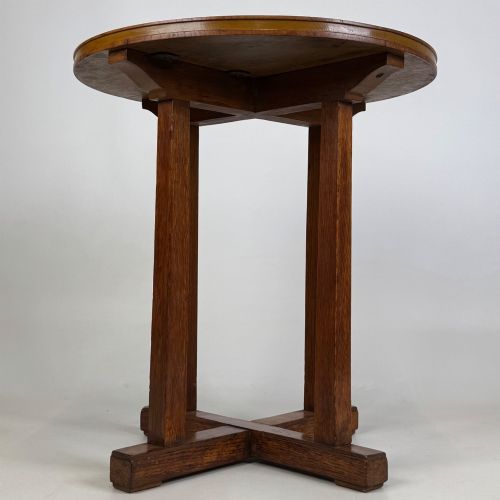
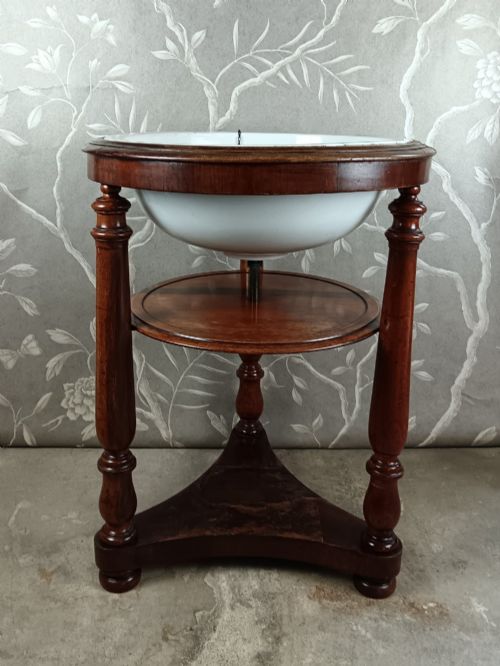
Mahogany and oak dominate the forms, taking shape as tripod tables, tilt-top designs, and barley twist occasional tables. You also encounter specialist circular items such as revolving bookcases, washstands, and cast iron plant stands that demonstrate how varied round furniture was in past centuries.
Materials and construction methods
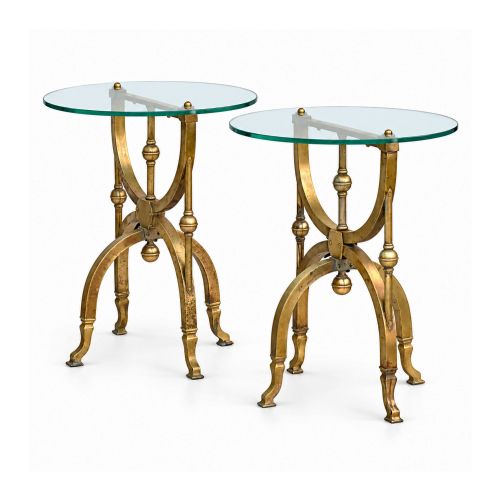
Timbers like mahogany, walnut, oak, and hardwood form the primary structural elements of these circular pieces, often finished with polished surfaces that highlight natural grain patterns. Brass fittings, glass components, and marble tops appear on specific lamp tables and gueridons to introduce contrasting textures.
Joinery methods range from traditional tripod bases with turned columns to barley twist uprights and cast iron frames. Inlaid details and carved edges add decorative definition to Edwardian and Sheraton Revival examples without compromising the stability of the central support.
Vintage Round Stands Retail Price Guide 2026
Typical asking prices for vintage round stands among the pieces listed under this phrase on Sellingantiques today, from the lower quarter to the upper quarter. They describe what is for sale here now, not the wider market.
Listings feature circular furniture spanning the Georgian period, Victorian era, Edwardian years, and the 1920s and 1930s.
Distinctions in quality and execution
Quality rests in the stability of the central pillar and the precise fit of the tripod legs, where superior pieces maintain absolute balance without rocking. The selection of timber, such as well-figured mahogany or dense oak, dictates the longevity and visual depth of the surface.
Refined carving, crisp inlay work, and original brass hardware elevate an occasional table or wine table from basic utility to high craftsmanship. Lesser examples rely on plain secondary woods and simpler turned joints that lack the precise alignment found in better workshops.
Waring & Gillow·Thonet
The Vintage Round Stands Glossary
- Tilt-top table
- A table with a tabletop that pivots on a catch so it can be stored flat against a wall when not in use. This clever mechanism saved space in smaller Georgian and Victorian rooms.
- Tripod table
- A small freestanding table supported by a central pillar resting on three legs. The three-legged design ensures stability on uneven historical floors.
- Barley twist
- A type of turning shaped like a spiral rope, popular on the vertical supports of Victorian and Edwardian occasional furniture. It adds textural movement to otherwise simple turned columns.
- Gueridon
- A small French round table, often used as a stand for a lamp or decorative object. Examples range from cast iron garden pieces to marble-topped interior tables.
Vintage Round Stands: Frequently Asked Questions
What were wine tables used for?
Wine tables provided a stable surface for holding glasses and bottles during evening gatherings in Georgian and Victorian drawing rooms.
Their compact circular tops and central pillars allowed them to sit easily beside armchairs without taking up much floor space.
Where should I place a lamp table?
Lamp tables suit corners or spaces beside seating where you need a small surface for lighting or resting books.
Their narrow footprint makes them versatile additions to hallways, studies, and living rooms.
How do I care for mahogany surfaces?
Mahogany surfaces benefit from gentle dusting with a dry cloth and occasional treatment with appropriate wax polish to maintain the sheen.
Keep these wooden stands away from direct heat sources and strong sunlight to prevent the timber from drying out or fading.