

Vintage Rotating Book Table
A vintage rotating book table brings books to your hand with a gentle turn, offering sturdy timber and smart access.
Vintage Rotating Book Table
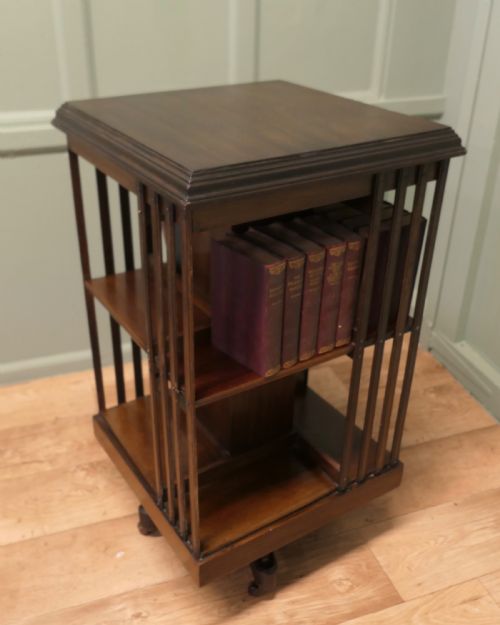
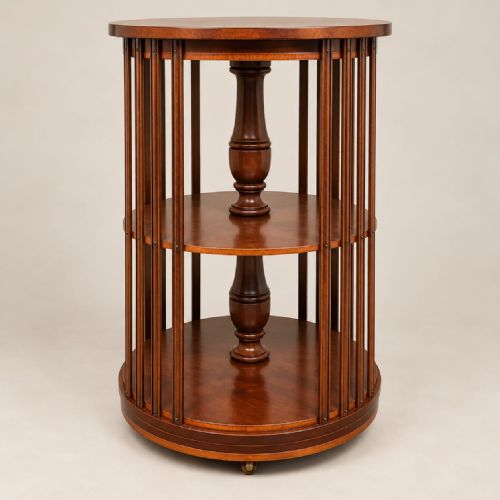
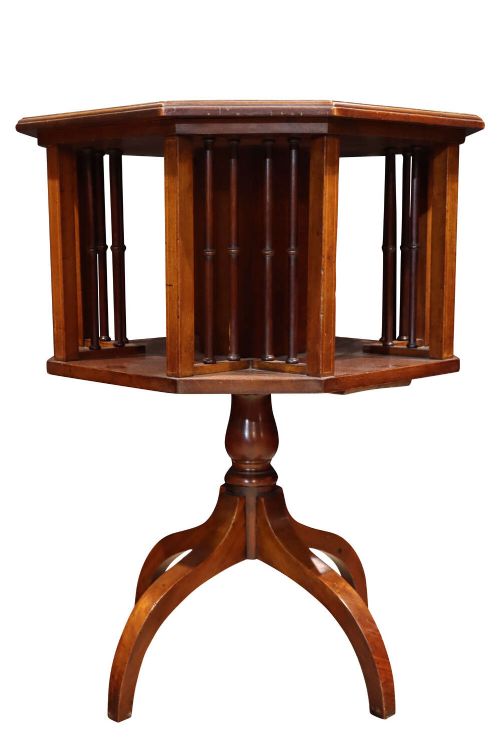
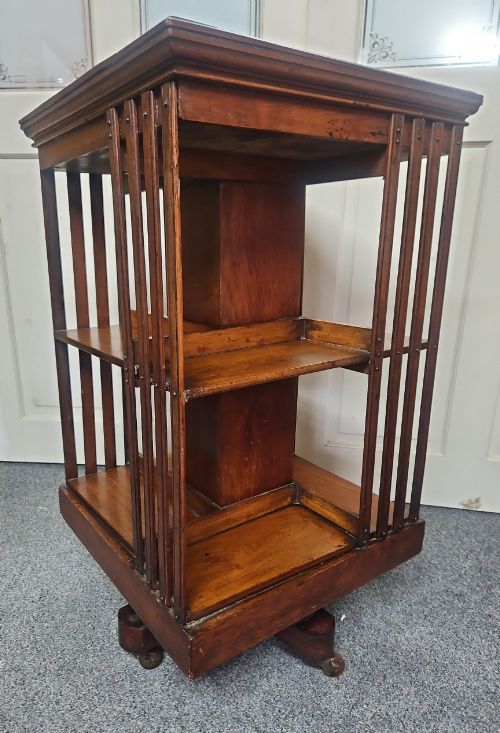
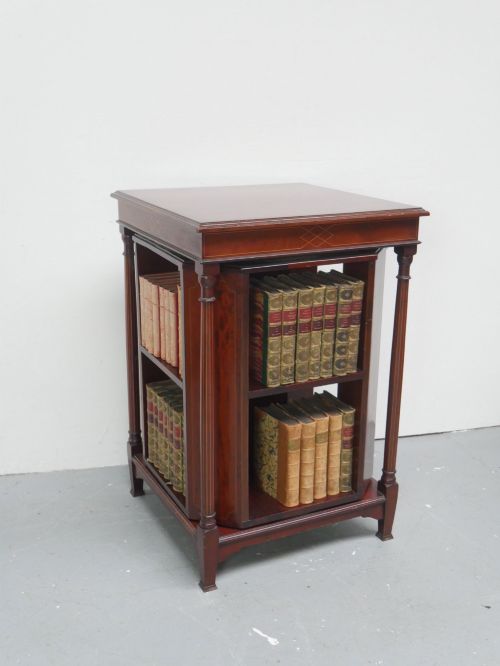
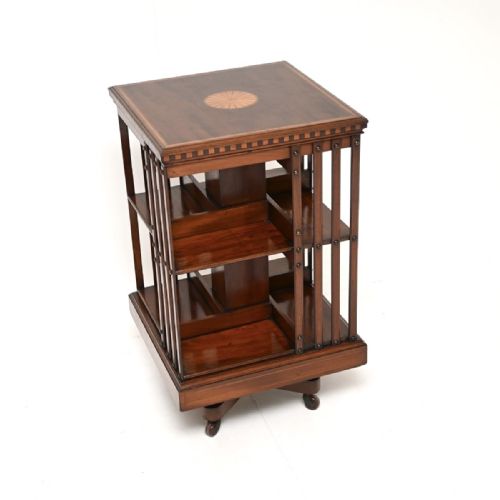
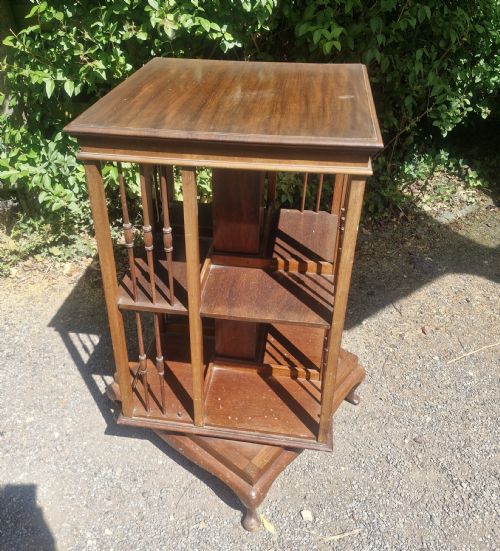
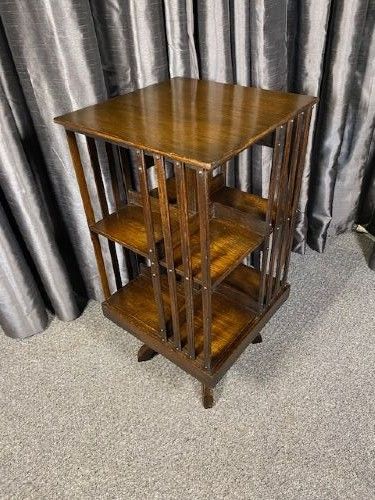
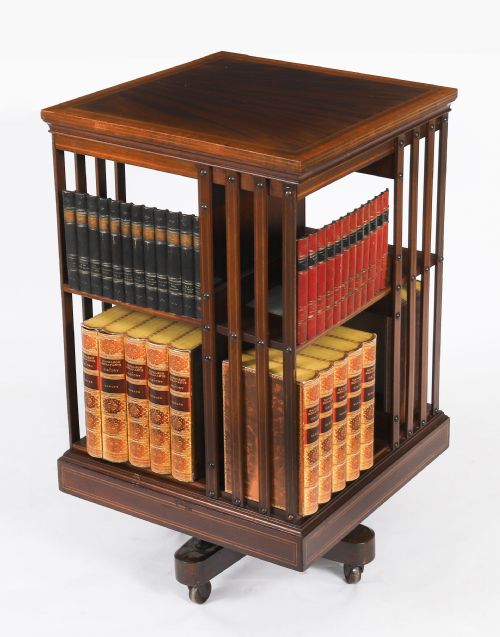
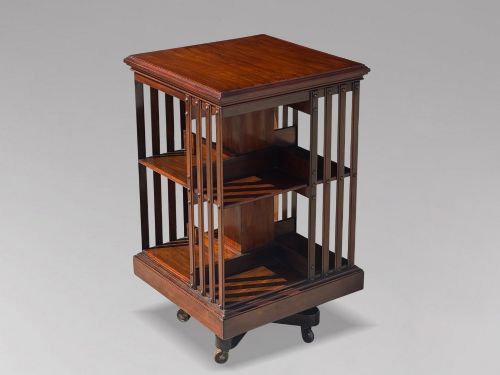
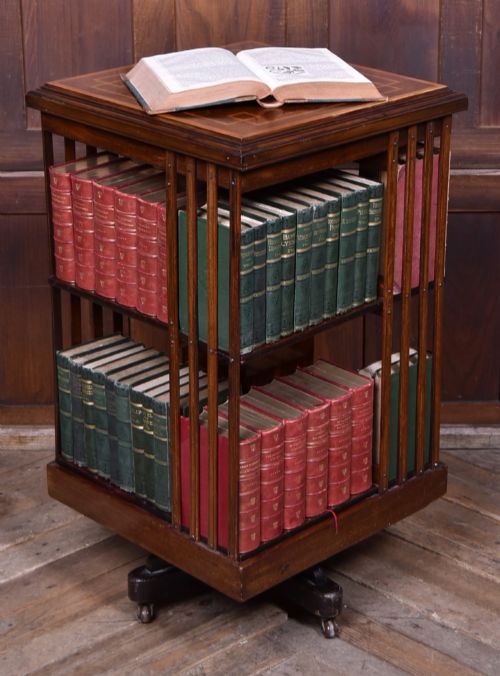
A vintage rotating book table organises volumes within arm's reach while turning smoothly on a hidden base. You will find these pieces largely shaped by Edwardian and Victorian cabinet makers, spanning the nineteenth and early twentieth centuries.
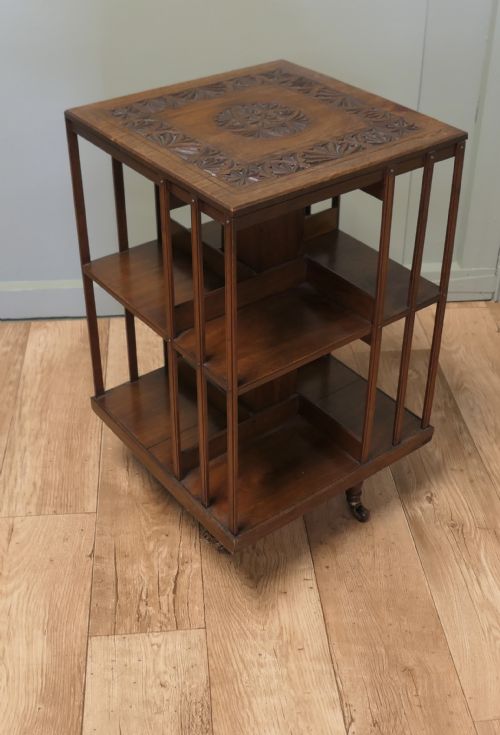
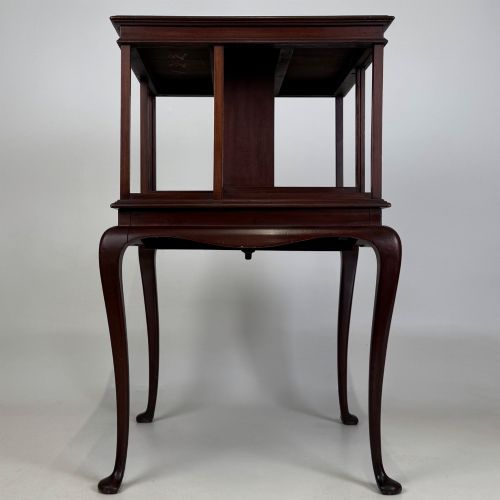
The selections here range from compact desktop bookstands to multi-tiered revolving bookcases placed beside armchairs. Most examples appear in mahogany or oak, often finished with subtle inlay work or cabriole legs.
How they were made
Cabinet makers constructed these rotating book tables primarily using solid mahogany, oak, and walnut timbers. Many incorporate brass hardware within the internal turning mechanism to ensure steady rotation.
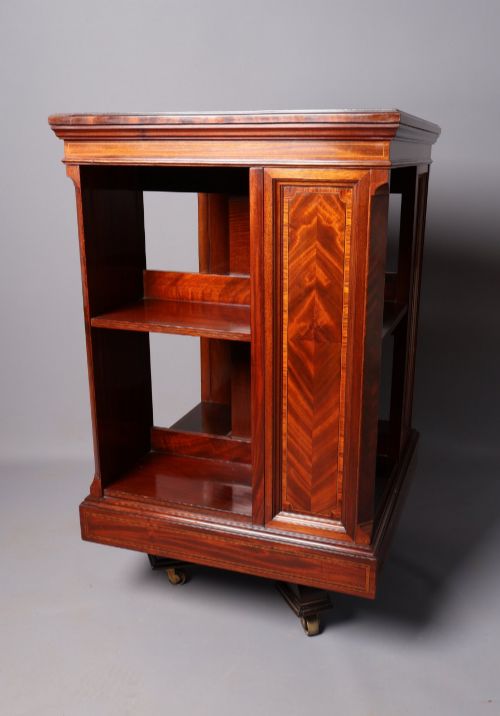
Surfaces frequently display satinwood inlay or fine carving alongside structural cast iron components hidden beneath the base. These materials combine to support heavy loads of books while maintaining a balanced spin.
Vintage Rotating Book Table Retail Price Guide 2026
Typical asking prices for vintage rotating book table among the pieces listed under this phrase on Sellingantiques today, from the lower quarter to the upper quarter. They describe what is for sale here now, not the wider market.
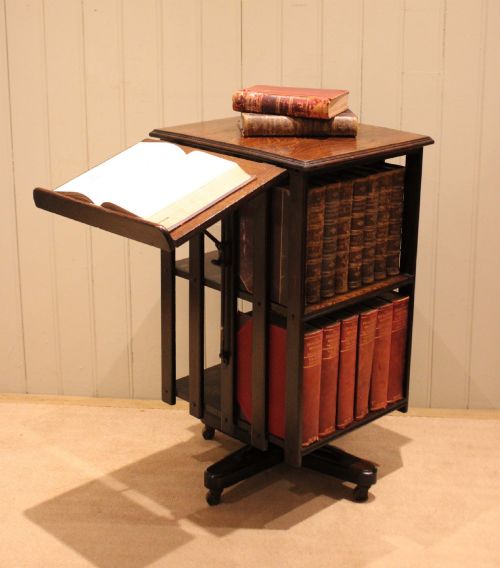
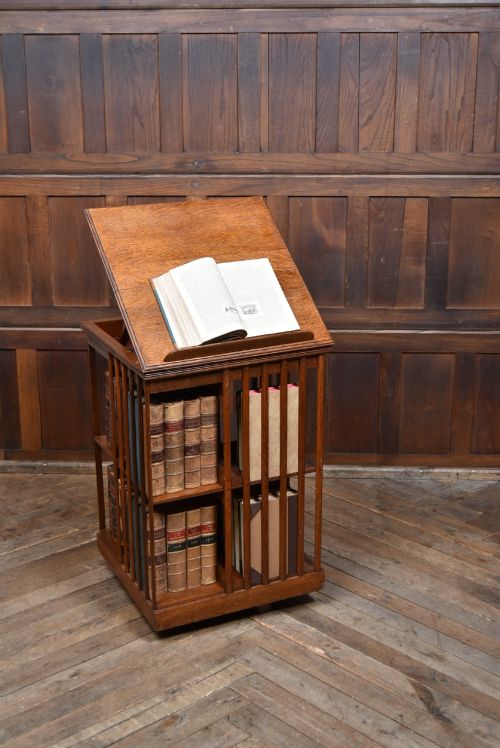
Some desktop models feature an integrated reading stand so you can prop open a heavy volume right where it spins.
What varies in quality
The smoothness of the rotation distinguishes standard pieces from superior examples. A well-made revolving mechanism turns silently and evenly without listing to one side.
Timber selection and decorative detail also mark the range. Finer models feature rich flame mahogany veneers, crisp carving, and precise satinwood inlay rather than plain surfaces.
The Vintage Rotating Book Table Glossary
- Revolving bookcase
- A freestanding or desktop piece designed to spin on a central axis for easy book retrieval. It keeps an entire small library accessible from a single seated position.
- Satinwood inlay
- A contrasting light wood embedded into darker timber surfaces to form decorative borders or motifs. This technique highlights the refined tastes of Edwardian cabinet work.
- Cabriole leg
- A curved furniture support inspired by animal legs, swelling outward at the knee and tapering down to a pad foot. It appears on several sophisticated period examples.
- Flame mahogany
- Timber cut from the fork of the mahogany tree, revealing a distinctive swirling grain pattern that resembles flickering flames. It provides high visual impact on table tops and panels.
Vintage Rotating Book Table: Frequently Asked Questions
How do I care for a vintage revolving bookcase?
Dust the timber regularly with a soft cloth and feed the wood with a traditional wax periodically to keep the finish nourished.
Avoid placing the table near direct heat sources or strong sunlight to prevent the timber from drying and the rotating mechanism from sticking.
Where should I place a rotating book table?
These tables sit comfortably beside an armchair, beside a desk, or in an open library space where you can reach the books from multiple angles.
Because they spin freely, ensure there is enough clearance around the perimeter for the volumes and shelves to turn without obstruction.
Can these tables hold heavy hardback books?
Most period revolving bookcases use robust oak or mahogany frameworks designed to bear substantial weight.
Distributing heavier volumes evenly across the lower tiers helps maintain balance and ensures the internal rotating bearing functions smoothly.
How do I identify an Edwardian revolving bookcase?
Edwardian examples often feature rich mahogany with delicate satinwood inlay, light construction, and sometimes cabriole legs.
They bridge late Victorian scale with lighter aesthetic touches popular around the turn of the twentieth century.